Japan is home to an impressive collection of attractions that reflect its history, creativity, natural beauty, and cultural identity. Visitors can admire centuries-old religious buildings, experience the excitement of modern entertainment districts, explore scenic mountain regions, and discover distinctive local traditions. Because the country offers so many interesting places, selecting attractions that complement one another is an important part of planning an enjoyable vacation.
For those comparing sightseeing possibilities, a ทัวร์ญี่ปุ่น can help introduce travelers to well-known attractions and regional highlights while providing an overview of how destinations connect. Whether the trip focuses on historic sites, city experiences, scenery, or family activities, Japan offers numerous opportunities to create a diverse travel experience.
Tokyo’s Famous Urban Attractions
Tokyo provides an exciting introduction to contemporary Japan. One of its most recognizable destinations is Shibuya, where the famous crossing demonstrates the energy of the city’s busy urban environment. Visitors can explore nearby shopping centers, cafés, fashion stores, and entertainment venues while observing the distinctive atmosphere of the district.
Asakusa offers a different experience through its traditional surroundings. Senso-ji Temple is a major attraction, and the approach to the temple features shops selling souvenirs, snacks, and traditional items. This area is particularly appealing to travelers who want to combine sightseeing with opportunities to experience older aspects of Tokyo.
Other attractions include the Tokyo Skytree, museums, gardens, and various observation platforms. Choosing a mixture of modern and traditional locations helps visitors understand the city’s many contrasts.
Kyoto’s Temples and Cultural Landmarks
Kyoto is one of Japan’s most celebrated destinations for heritage tourism. The city contains historic temples, shrines, gardens, and neighborhoods associated with traditional Japanese culture. Its attractions are especially popular among visitors interested in architecture, photography, and history.
Fushimi Inari Taisha is famous for its pathway lined with red torii gates. The route extends into a wooded mountain area, offering visitors an opportunity to walk through a distinctive religious landscape. Kinkaku-ji, commonly known as the Golden Pavilion, is another important attraction, admired for its architectural appearance and surrounding garden.
The Higashiyama district provides a scenic environment for walking, exploring traditional streets, and visiting cultural sites. Visitors should allow enough time to enjoy the area rather than rushing between landmarks.
Osaka’s Entertainment and Culinary Highlights
Osaka is a destination that appeals to travelers who enjoy lively streets, shopping, and regional food. Dotonbori is known for its illuminated displays, restaurants, entertainment venues, and canal-side atmosphere. It is a popular place to sample local specialties and explore after sunset.
Osaka Castle is an important historical attraction surrounded by park grounds. The area provides opportunities to learn about the city’s past and enjoy outdoor walks, especially when seasonal flowers and foliage create attractive scenery.
The city also has shopping districts, museums, family entertainment, and a wide range of restaurants. Visitors can easily combine cultural sightseeing with an evening of dining and exploration.
Mount Fuji and Scenic Surroundings
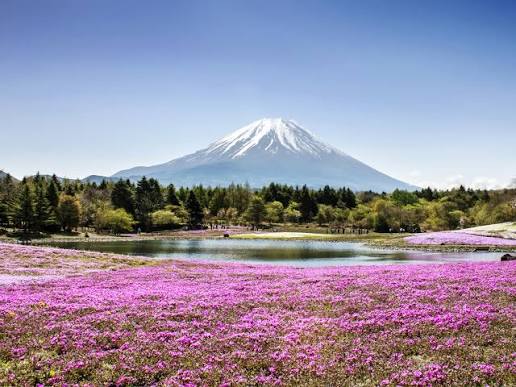
Mount Fuji remains one of the most recognizable symbols of Japan. Travelers can enjoy views of the mountain from different locations, depending on weather conditions and the season. The Fuji Five Lakes region is particularly popular for sightseeing, photography, outdoor activities, and relaxing in nearby accommodation.
Lake Kawaguchi offers attractive viewpoints, while surrounding areas provide walking routes, seasonal attractions, and opportunities to appreciate the landscape. Visitors should remember that mountain visibility can change with cloud cover, so planning more than one opportunity to see Fuji may be worthwhile.
The surrounding region also offers experiences that differ from major cities, making it an appealing addition to a broader itinerary.
Nara’s Historic and Natural Appeal
Nara is famous for its historic temples, cultural sites, and deer that roam parts of the parkland. Todai-ji Temple is particularly notable for its enormous bronze Buddha statue and impressive architectural setting. Nara Park allows visitors to explore open spaces while observing the area’s deer.
The city is suitable for travelers who want a day of cultural sightseeing outside the busy metropolitan environment. Visitors should follow local guidance when interacting with wildlife and avoid feeding animals anything other than approved food.
Attractions for Different Interests
Japan’s appeal extends beyond the most famous destinations. Travelers interested in relaxation can visit hot spring towns, while outdoor enthusiasts may prefer mountain trails, coastal viewpoints, or national parks. Families might prioritize theme parks, aquariums, interactive museums, and attractions designed for children.
Food lovers can explore regional markets, restaurant districts, and local specialties. Photography enthusiasts may enjoy traditional streets, seasonal gardens, architecture, and dramatic landscapes. Selecting attractions according to personal interests helps make each day more meaningful.
Plan a Balanced Sightseeing Experience
Japan’s popular attractions can become busy, especially during weekends, school holidays, and seasonal events. Checking opening hours, ticket arrangements, transportation routes, and restrictions before visiting helps avoid unnecessary delays. Comfortable footwear is also essential because sightseeing often involves extensive walking.
The most rewarding Japanese vacation combines recognizable landmarks with experiences that reflect the country’s everyday character. By exploring a mixture of cities, historic sites, and scenic destinations, travelers can discover why Japan remains an appealing destination for visitors from around the world.