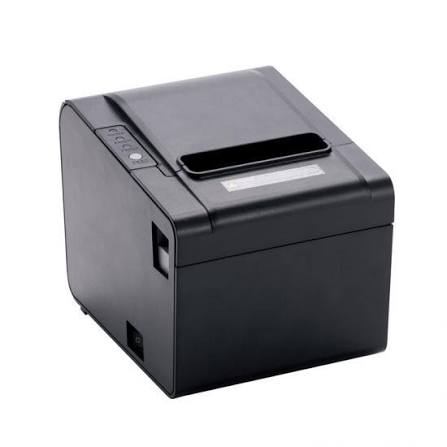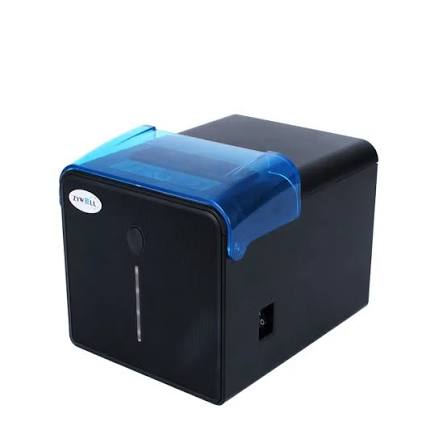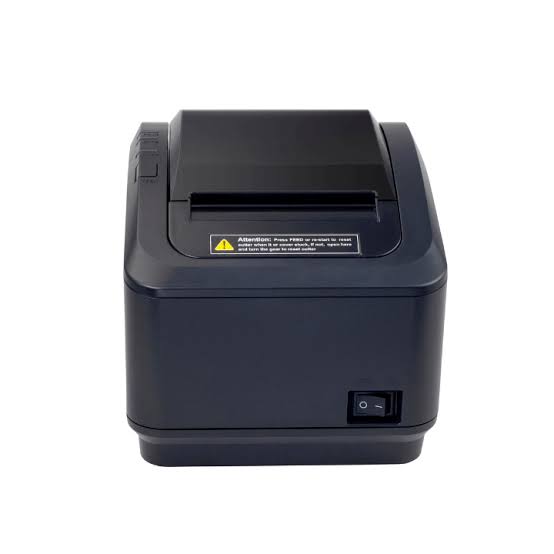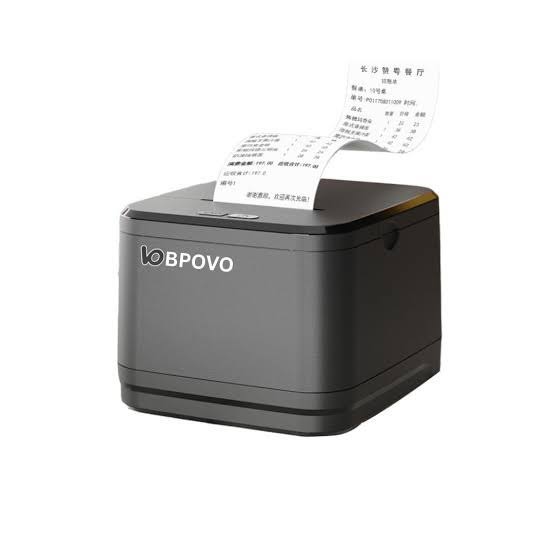
Choosing the right printing technology can influence business productivity, operating expenses, and document quality. Thermal and inkjet printers are two widely used options, but they work differently and serve different purposes. While thermal printing is common in retail, logistics, and other commercial environments, inkjet technology is often preferred for general documents, graphics, and photo printing.
A Thermal Printer uses heat to create text and images on compatible paper or other printing materials, whereas an inkjet printer produces output by spraying tiny droplets of liquid ink onto a surface. Understanding their differences can help businesses and individuals select equipment that matches their printing volume, budget, and intended applications.
How Does a Thermal Printer Work?
Thermal printers use a heated printhead to produce text, graphics, barcodes, and other information. The exact process depends on the printing technology.
There are two main types:
- Direct thermal printing: Heat activates a chemical coating on specially treated paper, creating the printed image without requiring ink or a ribbon.
- Thermal transfer printing: Heat transfers ink from a ribbon onto a compatible material, making it suitable for many durable labeling applications.
Thermal printing is widely used for receipts, product labels, shipping documents, tickets, and inventory identification. Its relatively simple mechanism makes it practical for businesses that need frequent, specialized printing.
How Does an Inkjet Printer Work?
Inkjet printers produce images by spraying extremely small droplets of liquid ink through tiny nozzles onto paper. The printer controls the placement and quantity of ink to create text, graphics, and photographs.
Most inkjet printers use cartridges or refillable ink tanks containing different ink colors. By combining these colors, they can reproduce detailed images and a wide range of shades.
Common applications include:
- Office documents and reports
- School and educational materials
- Photographs and creative projects
- Marketing brochures
- Color graphics and illustrations
Inkjet technology is particularly useful when color accuracy and detailed visual output are important.
Thermal Printer vs. Inkjet Printer: Key Differences
Although both technologies produce printed information, their mechanisms, consumables, and ideal applications vary considerably.
| Comparison Factor | Thermal Printer | Inkjet Printer |
|---|---|---|
| Printing method | Uses heat | Sprays liquid ink |
| Main consumables | Thermal paper or ribbon, depending on type | Ink cartridges or refillable ink |
| Common applications | Receipts, tickets, and labels | Documents, photos, and graphics |
| Printing speed | Often fast for receipts and labels | Varies by model and print quality |
| Color capabilities | Many common models are monochrome; specialized options exist | Widely supports color printing |
| Maintenance | Printhead and media-path cleaning | Nozzle and ink-system maintenance |
| Typical design | Often compact and task-specific | Available in desktop and multifunction designs |
| Media requirements | Compatible thermal paper, labels, or ribbon | Compatible inkjet paper and other supported media |
1. Differences in Printing Speed
Printing speed is an important factor for businesses that produce large numbers of documents throughout the day.
Thermal printers are often designed for fast production of receipts and labels. They can print transaction information quickly, which makes them useful at checkout counters, ticketing stations, and warehouse workstations.
Inkjet printers have different performance characteristics. Their speed depends on factors such as print quality settings, document complexity, color requirements, and model specifications.
For businesses that need to produce frequent receipts or labels, thermal printing may offer a more suitable workflow. Inkjet printers are generally more appropriate when the task involves detailed documents or color images.
2. Differences in Printing Quality
The quality requirements of a printing task determine which technology is more appropriate.
Thermal printers can produce sharp text, simple graphics, and readable barcodes when used with compatible materials and correct settings. Their performance is particularly useful for transaction records and identification labels.
Inkjet printers are better suited to applications requiring detailed color output. They can reproduce photographs, illustrations, and complex graphics with a broad range of tones.
However, output quality also depends on paper selection, printer resolution, maintenance, and the intended use of the printed material.
3. Consumables and Operating Costs
Consumable requirements can significantly influence long-term printing expenses.
Direct thermal printers do not require conventional ink cartridges or toner. They use heat-sensitive paper, which can simplify supply management for businesses that print receipts regularly.
Thermal transfer printers use ribbons, so their consumable requirements are different. Inkjet printers require liquid ink, supplied through cartridges or refillable tanks.
When comparing costs, businesses should consider:
- Initial equipment price
- Cost of thermal paper or labels
- Ink cartridge or refill expenses
- Ribbon costs where applicable
- Maintenance and replacement parts
- Expected printing volume
The most economical option depends on the type and quantity of documents being produced. A printer with a lower purchase price may not necessarily have the lowest total cost of ownership.
4. Maintenance Requirements
Maintenance affects printer reliability and the amount of time employees spend managing equipment.
Thermal printers generally have fewer consumable components than inkjet printers used for comparable receipt or label tasks. Routine care often includes cleaning the printhead, removing paper dust, checking the feeding mechanism, and inspecting connections.
Inkjet printers require attention to their ink delivery systems. Printhead nozzles can become clogged, particularly when the printer remains unused for extended periods. Some models perform automatic cleaning cycles, which may consume additional ink.
Both technologies benefit from correct handling and regular maintenance. The specific procedures depend on the printer model and manufacturer recommendations.
5. Durability of Printed Documents
The expected lifespan of a printed document is another important difference.
Direct thermal printing produces images that may fade when exposed to heat, sunlight, friction, or certain chemicals. This makes it suitable for many receipts and short-term records but less appropriate for documents requiring long-term physical preservation.
Thermal transfer printing can produce more durable labels, depending on the ribbon and printing material selected. This makes it useful for certain industrial, warehouse, and logistics applications.
Inkjet document durability depends on the ink formulation and paper. Some inkjet prints can resist fading and moisture effectively, while others may be more vulnerable to smudging or environmental exposure.
Businesses should choose printing technology based on the conditions the document will encounter.
6. Color Printing Capabilities
Color reproduction is one of the most noticeable differences between thermal and inkjet printers.
Most standard receipt and barcode thermal printers are designed for monochrome output. Specialized thermal printing technologies can support color applications, but they are not as common as conventional monochrome models.
Inkjet printers offer extensive color capabilities. They can produce photographs, marketing materials, diagrams, and documents containing detailed visual elements.
For businesses that primarily print transaction receipts or identification labels, monochrome thermal output may be sufficient. Organizations that regularly produce colorful promotional or visual materials may benefit more from inkjet technology.
7. Paper and Media Compatibility
Thermal printers require materials designed for their specific printing process. Direct thermal models use heat-sensitive paper, while thermal transfer models require compatible labels or other media and an appropriate ribbon.
Inkjet printers generally use paper designed to absorb liquid ink. Different paper types are available for standard documents, photographs, brochures, and other applications.
Before purchasing either type, users should check the manufacturer’s supported media specifications. Using unsuitable materials can reduce print quality and may affect equipment performance.
8. Space and Installation Requirements
Many thermal printers are designed for specific business tasks and have compact footprints. Receipt printers can fit beside POS terminals, while portable models support mobile printing environments.
Inkjet printers are available in different sizes, including compact desktop devices and multifunction units with scanning and copying capabilities. Their physical dimensions depend on the model and features.
Businesses with limited counter space may prefer a compact thermal printer for receipt production. Home offices or workplaces requiring multiple document functions may find a multifunction inkjet printer more practical.
9. Common Business Applications
The most suitable printing technology often becomes clear when considering the intended application.
Where Thermal Printers Are Commonly Used
- Retail checkout receipts
- Restaurant order tickets
- Shipping and inventory labels
- Product identification
- Parking and transportation tickets
- Barcode and QR code printing
Where Inkjet Printers Are Commonly Used
- Business reports and general documents
- School assignments and learning materials
- Photographs and illustrations
- Marketing brochures
- Color charts and presentations
- Creative and design projects
Some organizations use both technologies because their printing needs include specialized labels as well as general-purpose documents.
Which Printer Is Better for Small Businesses?
There is no single answer because small businesses have different printing requirements.
A retail shop, café, or service counter that produces frequent receipts may benefit from a thermal printer. Its task-specific design and lack of ink cartridges in direct thermal applications can make routine receipt production convenient.
A small business that prints invoices, reports, marketing materials, and color graphics may find an inkjet printer more versatile.
Before choosing, business owners should estimate their printing volume, identify the types of documents they produce, and compare the total operating costs of suitable models.
Factors to Consider Before Making a Decision
A practical purchasing decision should be based on actual workflow requirements rather than general assumptions about either technology.
Consider these factors:
- Printing purpose: Determine whether you mainly need receipts, labels, documents, or photographs.
- Daily volume: Estimate how frequently the printer will operate.
- Output requirements: Decide whether monochrome text or detailed color printing is necessary.
- Consumable costs: Compare the price and availability of paper, ribbons, and ink.
- Maintenance: Review cleaning procedures and replacement requirements.
- Connectivity: Check compatibility with computers, POS systems, and mobile devices.
- Document durability: Consider whether printed information must remain readable over an extended period.
Evaluating these details can help avoid purchasing equipment that does not fit the intended application.
Conclusion
Thermal and inkjet printers serve different purposes in modern printing environments. Thermal technology is particularly useful for fast receipt production, barcode printing, and specialized labeling, while inkjet printing is well suited to general documents, photographs, and color graphics.
The right choice depends on printing volume, output quality, media requirements, maintenance, and operating costs. Businesses that understand these differences can select equipment that supports their workflows and provides dependable performance over time.