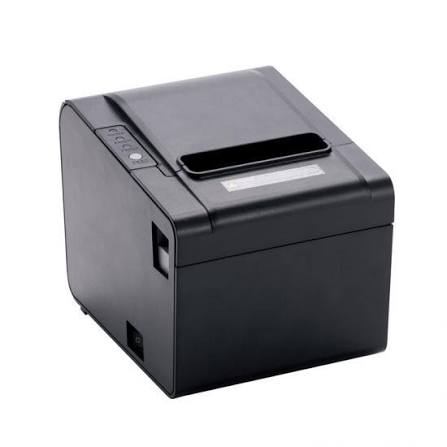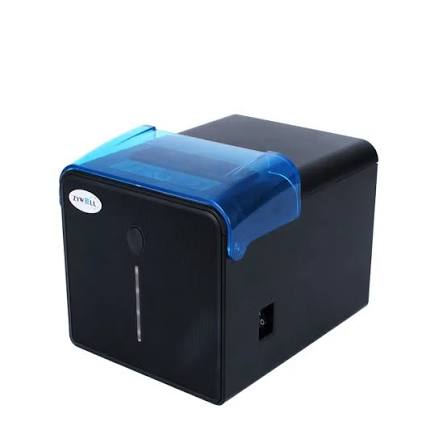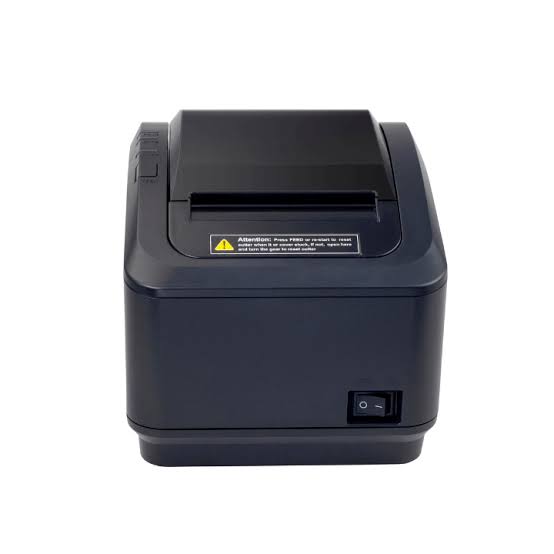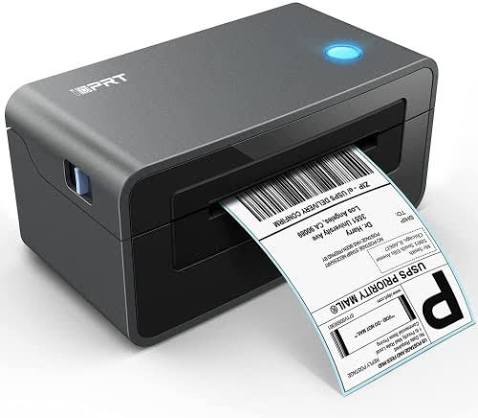
Thermal printers are widely used in retail, logistics, healthcare, manufacturing, and other industries where fast and reliable printing is essential. For businesses purchasing these devices in bulk, understanding manufacturing costs and production lead times is important for budgeting, inventory management, and supply chain planning. The final price and delivery schedule depend on several technical, operational, and commercial factors.
Working with an experienced Thermal Printer Manufacturer can help businesses understand these factors before placing an order. From component selection and product design to quality inspections and shipping arrangements, each stage can influence the overall cost and time required to complete a manufacturing project.
1. Product Design and Technical Complexity
The design of a thermal printer has a direct influence on its manufacturing cost. A basic receipt printer with standard functions generally requires fewer components and simpler assembly procedures than a specialized industrial printer with advanced features.
Product complexity may involve housing design, internal mechanisms, electronic components, paper-feeding systems, and connectivity options. More complicated designs can require additional engineering work, specialized tooling, and longer assembly processes.
Customized designs may also involve prototype development and repeated testing. These activities increase initial development expenses, even when the final production cost per unit becomes more competitive at higher order volumes.
2. Selection of Electronic Components
Electronic components represent an important part of thermal printer production costs. Their quality, availability, specifications, and supplier pricing can influence the final manufacturing budget.
Common components include:
- Main control boards
- Printheads
- Motors and sensors
- Power supply units
- Interface modules
- Memory components
- Electronic connectors
Higher-performance components may improve printing reliability, processing capability, or operational durability, but they can also increase production expenses.
Manufacturers must balance component quality with the technical and commercial requirements of each printer model.
3. Printhead Specifications and Performance
The printhead is one of the most important components in a thermal printer because it generates the heat required to produce text, images, and barcodes.
Its specifications can affect print resolution, speed, compatibility, and operating life. Printers designed for detailed barcode printing or demanding applications may require different printhead configurations from basic receipt-printing devices.
The choice of printhead can influence both component costs and quality-control requirements.
Businesses should consider the intended printing workload when selecting specifications. Choosing a suitable printhead is generally more effective than selecting the most expensive option without evaluating actual application needs.
4. Printer Type and Printing Technology
Different thermal printer categories have different manufacturing requirements.
Direct thermal printers use heat-sensitive paper or labels, while thermal transfer printers use a ribbon to transfer ink onto the printing material. Their internal configurations and compatible components can vary.
Other product differences may include:
- Receipt printing versus label printing
- Desktop versus industrial construction
- Fixed versus mobile operation
- Standard versus high-resolution printing
- Basic versus advanced connectivity
Industrial models may require stronger housings, more robust mechanical structures, and additional performance testing. These requirements can increase both production costs and manufacturing time.
5. Customization and OEM Requirements
Customization is another major factor influencing manufacturing expenses and lead times.
Businesses purchasing private label or OEM products may request specific logos, colors, housing designs, firmware settings, interfaces, or packaging. Some modifications are relatively straightforward, while others require engineering development.
For example, adding a company logo to an existing printer may involve limited additional work. Developing a redesigned housing or modifying internal electronics may require new tooling, sample production, and technical validation.
Buyers should distinguish between standard customization and major product development when requesting quotations. This makes it easier to understand which expenses are one-time costs and which will apply to every unit.
6. Order Quantity and Production Scale
Order quantity can influence the unit cost of thermal printers.
Larger production runs may allow manufacturers to distribute certain fixed expenses, such as setup, tooling, and production preparation, across more units. Bulk component purchasing may also create opportunities for better supplier pricing.
However, larger orders do not automatically guarantee lower costs. Special components, complex customization, or material shortages can affect the final quotation.
Order volume also influences production scheduling. A manufacturer may need additional assembly time, inspection capacity, and packaging resources to complete a large order.
Businesses should discuss minimum order quantities, production capacity, and batch delivery arrangements before confirming their requirements.
7. Raw Material and Component Price Fluctuations
Thermal printer manufacturing depends on materials such as plastics, metals, electronic components, cables, and packaging supplies.
Changes in raw material prices can affect production expenses. Electronic component markets may also experience fluctuations caused by supply shortages, increased demand, transportation costs, or changes in manufacturing capacity.
For customized printers, the availability of specific materials can be especially important. If a required component is difficult to source, manufacturers may need to find an approved alternative or adjust production schedules.
Buyers should ask how long quotations remain valid and whether significant component price changes could affect confirmed orders.
8. Labor Costs and Manufacturing Location
Labor expenses vary according to manufacturing location, workforce experience, production efficiency, and local operating conditions.
Thermal printer assembly may involve electronic board installation, mechanical assembly, firmware configuration, calibration, testing, and packaging.
Manufacturers with experienced technicians and organized production processes may complete these tasks more efficiently. However, labor costs should not be evaluated separately from product quality and production reliability.
A lower initial quotation may not provide the best overall value if it involves inconsistent assembly, inadequate inspection, or limited technical support.
9. Tooling and Equipment Requirements
Manufacturing equipment and tooling contribute to the cost of producing thermal printers.
Standard models may use existing molds, fixtures, and assembly equipment. Customized products can require new tooling or modifications to existing production resources.
Tooling expenses may include:
- Plastic injection molds
- Assembly fixtures
- Testing equipment
- Specialized production tools
- Calibration devices
The time required to prepare these resources can also extend the manufacturing schedule.
For businesses planning repeated orders, tooling costs should be considered as part of the long-term project budget rather than only the initial unit price.
10. Quality Control and Product Testing
Quality control is necessary to ensure that thermal printers meet their agreed technical specifications.
Manufacturers may conduct inspections throughout the production process, including incoming component checks, assembly verification, printing tests, and final product evaluations.
Common testing activities include:
- Print quality and resolution checks
- Paper-feeding performance tests
- Cutter operation checks
- Connectivity verification
- Power and electrical assessments
- Firmware and software testing
- Functional inspections
More demanding applications may require additional validation procedures.
Although testing adds time and operational expense, it can reduce the risk of defective products, customer complaints, and costly returns. Buyers should evaluate the manufacturer’s inspection procedures when comparing quotations.
11. Firmware and Software Development
Modern thermal printers often require software support to communicate with computers, POS systems, mobile devices, and business applications.
Standard models may already support common drivers, interfaces, and printing commands. Customized projects may require additional firmware configuration, driver development, or software integration.
The complexity of these requirements influences development costs and lead times.
Businesses should provide detailed information about operating systems, application environments, communication protocols, and printing requirements early in the project. Clear technical documentation can reduce repeated development work and help avoid delays during sample approval.
12. Production Capacity and Factory Scheduling
A manufacturer’s available production capacity affects how quickly an order can be completed.
Factories manage multiple orders, equipment schedules, labor availability, and component inventories. When production facilities are operating near capacity, new orders may need to wait for an available production window.
Lead times can also change during periods of high seasonal demand or when several customers require similar products.
Before placing an order, businesses should ask about current production schedules, estimated completion dates, and the manufacturer’s ability to handle the requested quantity.
A realistic production plan is more useful than relying on an unusually short delivery estimate.
13. Component Availability and Supply Chain Conditions
A thermal printer may contain components sourced from several suppliers. Even if most materials are available, a shortage of one essential component can delay the entire production process.
Supply chain challenges may include:
- Delayed electronic component deliveries
- Limited availability of specialized printheads
- Supplier production interruptions
- Transportation disruptions
- Changes in component specifications
- Customs or import delays
Manufacturers can reduce these risks through supplier coordination, inventory planning, and approved alternative components.
Businesses should also clarify whether substitutions are permitted. Any replacement component should meet the agreed performance and compatibility requirements.
14. Sample Development and Approval Time
Sample production is an important stage, particularly for OEM and customized printer orders.
Before mass production, buyers may need to review the product’s appearance, print performance, connectivity, packaging, and other specifications.
The sample approval process can involve several steps:
- Confirming technical requirements.
- Selecting a standard model or customized configuration.
- Preparing the initial sample.
- Conducting functional and compatibility tests.
- Providing feedback on required changes.
- Reviewing revised samples.
- Approving the final production specification.
Delays in communication or repeated design changes can extend this stage.
Businesses can save time by preparing complete specifications and assigning a responsible person to review and approve samples.
15. Packaging and Accessories
Packaging requirements can influence both manufacturing expenses and order completion time.
Standard packaging may be readily available, while private label orders can require custom cartons, printed manuals, labels, inserts, and branded materials.
Additional accessories may include power adapters, cables, paper holders, mounting components, or other items depending on the printer model.
Each additional item requires sourcing, verification, and packaging coordination.
Buyers should confirm exactly what is included with each printer and approve packaging designs before bulk production begins.
16. Certifications and Regulatory Compliance
Thermal printers sold in international markets may need to meet applicable safety, electromagnetic compatibility, and other regulatory requirements.
The relevant standards depend on the destination market, product configuration, and applicable regulations.
Compliance activities can involve documentation reviews, laboratory testing, technical modifications, and certification procedures.
These requirements may increase project costs and extend lead times, particularly when a product needs additional testing or design adjustments.
Businesses should identify the regulations that apply to their target markets before ordering. They should also verify that any certificates and test reports correspond to the specific product model being purchased.
17. Transportation and Shipping Arrangements
Manufacturing lead time and total delivery time are not the same.
Manufacturing lead time generally covers the period required to prepare and produce an order. Total delivery time also includes packaging, shipment preparation, transportation, customs clearance, and final delivery.
Shipping costs and transit times depend on factors such as:
- Shipment size and weight
- Transportation method
- Destination country
- Freight availability
- Customs procedures
- Insurance requirements
- Delivery arrangements
Air freight may offer faster transportation but usually costs more than sea freight for larger shipments. Buyers should compare transportation options according to their inventory requirements and delivery deadlines.
18. Communication and Order Management
Clear communication between buyers and manufacturers can have a significant impact on project efficiency.
Incomplete specifications, delayed approvals, and misunderstandings about product requirements can result in unnecessary revisions.
An effective order management process should include written confirmation of:
- Product model and configuration
- Technical specifications
- Customization requirements
- Order quantity
- Unit pricing and additional charges
- Sample approval
- Production schedule
- Inspection criteria
- Packaging and shipping terms
Maintaining a shared record of approved specifications helps both parties follow the same requirements throughout production.
19. How Businesses Can Reduce Costs Without Compromising Quality
Reducing manufacturing expenses does not necessarily mean choosing cheaper components or removing important inspections.
Businesses can improve cost efficiency by making informed decisions during product selection and order planning.
Practical approaches include:
- Selecting an existing printer model when extensive customization is unnecessary.
- Standardizing specifications across recurring orders.
- Comparing quotations based on equivalent configurations.
- Forecasting demand to plan production quantities.
- Approving samples before bulk manufacturing.
- Confirming packaging and accessory requirements early.
- Avoiding unnecessary design changes during production.
- Reviewing warranty and after-sales arrangements alongside unit prices.
These steps can help businesses control expenses while maintaining the performance and reliability expected by their customers.
20. How to Estimate Thermal Printer Manufacturing Lead Times
Estimating lead times requires understanding the different stages of a manufacturing project.
A typical production schedule may include:
| Manufacturing stage | Main activities |
|---|---|
| Requirement confirmation | Reviewing specifications and order details |
| Sample development | Preparing and evaluating product samples |
| Material procurement | Sourcing components and packaging |
| Production preparation | Scheduling equipment and assembly resources |
| Manufacturing | Assembly, configuration, and calibration |
| Quality inspection | Functional testing and final verification |
| Packaging | Preparing products for shipment |
| Shipping | Transportation and customs clearance |
The duration of each stage depends on product complexity, customization, order quantity, material availability, and factory capacity.
Businesses should request a stage-by-stage schedule rather than relying only on a single estimated completion date. This provides better visibility into potential delays and helps them coordinate inventory planning.
Conclusion
Thermal printer manufacturing costs and lead times are influenced by product design, component selection, printing technology, customization, order volume, labor, tooling, quality control, and supply chain conditions. Packaging, certification, communication, and shipping arrangements can further affect the total project budget and delivery schedule.
Businesses can make better purchasing decisions by preparing clear specifications, evaluating manufacturing capabilities, approving samples, and confirming production schedules before placing orders. Understanding these factors helps buyers compare quotations more accurately, manage supply chain risks, and establish realistic expectations for thermal printer procurement.