Tissue culture plants have become an important option for nurseries, garden centers, commercial growers, and plant distributors looking for reliable planting materials. This laboratory-based propagation method makes it possible to produce large quantities of selected plant varieties under controlled conditions. However, ordering plants in bulk requires careful planning to ensure that the products meet business requirements and can be handled successfully after delivery.
Before purchasing Tissue Culture Plants Wholesale, buyers should understand plant quality standards, growth stages, supplier capabilities, packaging methods, shipping arrangements, and acclimatization requirements. Evaluating these factors in advance can help businesses avoid unexpected costs and make more informed purchasing decisions.
1. Understand What Tissue Culture Plants Are
Tissue culture is a propagation technique that involves growing new plants from small sections of plant tissue in a controlled laboratory environment. The process typically uses sterile containers, nutrient media, and suitable growth conditions to encourage plant development.
This method allows producers to multiply selected plant material in relatively large quantities. It is used for many ornamental, foliage, flowering, and agricultural plants.
How the Propagation Process Works
The process generally involves several stages:
- Selection of source material: Healthy parent plants are selected to provide suitable tissue.
- Sterilization: Plant material and laboratory equipment are treated to reduce contamination risks.
- Culture initiation: Small tissue sections are placed in suitable nutrient media.
- Multiplication: Developing shoots are encouraged to produce additional plantlets.
- Root development: Plantlets are prepared for independent growth.
- Acclimatization: Developed plants are gradually adapted to conditions outside the laboratory.
Understanding these stages helps buyers recognize why plant growth stage and handling requirements matter when placing an order.
2. Confirm the Exact Plant Varieties
Not all suppliers offer the same plant species or cultivars. Before ordering, review the supplier’s catalog and confirm that the required varieties are available in the quantities you need.
Check Scientific Names and Cultivars
Common plant names can sometimes refer to several different species or varieties. Ask suppliers to provide scientific names and cultivar details where applicable.
This is particularly important for businesses selling specialty ornamental plants or supplying commercial growing projects that require specific characteristics.
Consider Market Demand
Select varieties based on customer preferences, local climate, and expected sales. Popular indoor foliage plants may be suitable for retail nurseries, while agricultural varieties may be more appropriate for commercial growers.
Avoid purchasing large quantities of unfamiliar plants without first evaluating their market potential.
3. Know the Plant Growth Stage Before Purchasing
One of the most important details to confirm is the condition in which plants will be delivered. Tissue culture plants can be supplied at different stages, and each stage has different handling requirements.
Laboratory Plantlets
These plants are still maintained in controlled culture conditions, often inside sealed containers. They may require careful removal, transfer, and acclimatization before growing in a nursery environment.
Rooted Plantlets
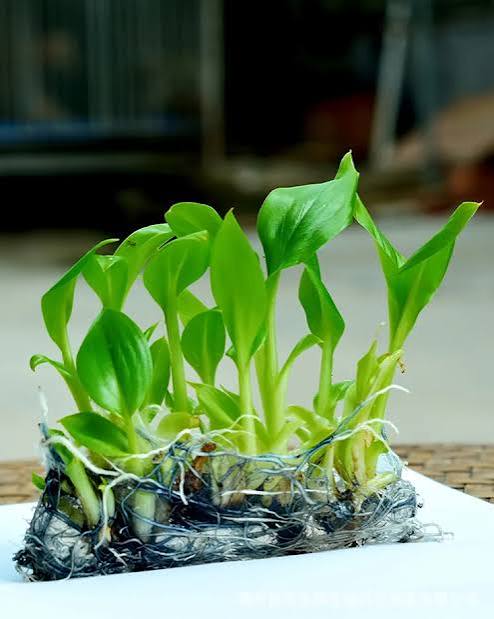
Rooted plantlets have developed roots but may still need protection from sudden environmental changes. Their condition and readiness for transfer depend on the species and production stage.
Acclimatized Young Plants
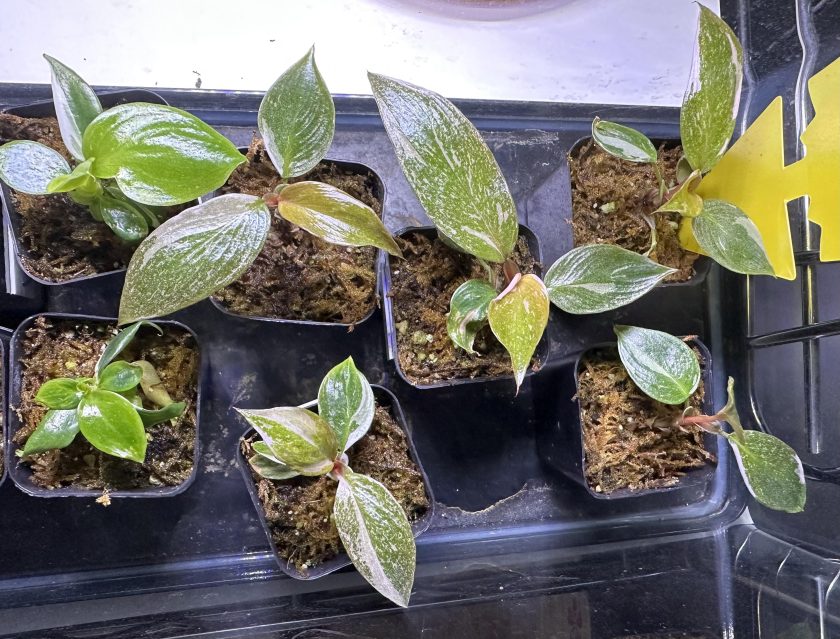
These plants have already undergone an adjustment period outside laboratory conditions. They may be easier for some nurseries to handle, although their specific care requirements still need to be checked.
Ask the supplier to explain the growth stage, plant size, root condition, and expected care requirements before confirming the order.
4. Evaluate Plant Quality Standards
Plant quality directly affects the value of a wholesale purchase. A low-priced order may become expensive if many plantlets arrive damaged, contaminated, or unsuitable for further cultivation.
Inspect Plant Health
Request recent photographs or samples when available. Depending on the species and growth stage, plantlets should generally show suitable development without obvious signs of severe damage, abnormal growth, or contamination.
Ask About Contamination Control
Tissue culture production relies on clean laboratory conditions. Poor hygiene can introduce bacteria, fungi, or other contaminants into culture containers.
Ask suppliers how they sterilize equipment, maintain laboratory cleanliness, and monitor production batches.
Review Grading Procedures
Some suppliers classify plants according to size, root development, or growth stage. Confirm the grading specifications so you know what to expect from the shipment.
Clear quality standards make it easier to compare quotations and assess whether delivered plants match the agreed requirements.
5. Research the Wholesale Supplier
A supplier’s experience and production capabilities can influence product quality, order accuracy, and delivery reliability.
Check Industry Experience
Look for suppliers with relevant experience in tissue culture propagation and commercial plant distribution. Review their product range, business background, and ability to handle orders similar to yours.
Understand Their Production Capacity
Ask whether the supplier operates its own laboratory, works with production partners, or sources plants from other growers. This information can help you understand how orders are prepared and whether larger quantities can be supplied consistently.
Evaluate Communication
A dependable supplier should provide clear information about plant varieties, order quantities, production schedules, packaging, and shipping. Timely responses are especially important when managing international purchases or time-sensitive orders.
6. Compare Wholesale Prices and Order Quantities
Wholesale prices can vary depending on plant variety, order volume, growth stage, packaging, and supplier production costs.
Request Detailed Quotations
Ask suppliers to provide quotations based on the same plant specifications and quantities. Compare unit prices, minimum order quantities, packaging costs, and any additional charges.
This makes it easier to identify the actual value of each offer.
Calculate the Total Purchasing Cost
The unit price is only one part of the investment. Buyers should also consider:
- Packaging and handling charges
- Transportation and insurance costs, where applicable
- Customs duties and import fees
- Documentation and inspection expenses
- Acclimatization materials and labor
- Potential losses during transportation or establishment
Evaluating the total landed cost provides a more realistic picture of the purchase.
Avoid Ordering More Than You Can Manage
Large orders may offer better unit pricing, but they also require sufficient growing space, staff, and maintenance resources. Estimate your actual demand and nursery capacity before committing to bulk quantities.
7. Understand Packaging Requirements
Tissue culture plantlets can be sensitive to physical damage and environmental changes. Appropriate packaging is essential to help maintain their condition during transportation.
Check Packaging Materials
Ask how plants will be packed according to their growth stage and species. Depending on the product, suppliers may use culture vessels, trays, protective materials, or specialized containers.
Packaging should reduce movement and protect delicate plant structures during handling.
Confirm Labeling Information
Each batch should be identified clearly. Labels may include plant names, variety details, batch information, and other relevant product specifications.
Accurate labeling helps nurseries organize incoming inventory and avoid mixing different varieties.
8. Review Shipping and Delivery Arrangements
Shipping conditions can affect plant quality, particularly when orders travel over long distances.
Confirm Delivery Timeframes
Ask for estimated production, dispatch, and transit times. Tissue culture plants may require specific handling arrangements, so delivery schedules should be coordinated with nursery preparation.
Check Transportation Conditions
Discuss how the supplier manages temperature, humidity, and physical protection during transit. The appropriate arrangements depend on plant species, growth stage, packaging, and shipping duration.
Track International Shipments
For international purchases, confirm whether tracking information is available and how the supplier communicates shipment progress. Buyers should also understand who is responsible for customs clearance and related procedures.
9. Check Import Regulations and Required Documents
International plant purchases may be subject to agricultural and biosecurity regulations. These requirements vary by destination country, plant species, and shipment type.
Before ordering, check the relevant authorities’ requirements for:
- Import permits, where required
- Phytosanitary certificates
- Plant species restrictions
- Customs declarations
- Inspection and quarantine procedures
- Additional documentation for specific plant categories
Confirm which documents the supplier can provide and which must be arranged by the buyer. Completing these checks before dispatch can help prevent avoidable delays or rejected shipments.
10. Prepare for Acclimatization After Delivery
Many laboratory-grown plantlets need a gradual transition before they can grow successfully in standard nursery conditions. This process is known as acclimatization or hardening off.
Prepare the Growing Environment
Before the shipment arrives, arrange suitable growing media, trays, clean work surfaces, and an appropriate growing area. Temperature, humidity, ventilation, and light should match the needs of the selected plant varieties.
Introduce Plants to New Conditions Gradually
Avoid exposing newly received plantlets to strong sunlight, dry air, or sudden temperature changes. Gradual adjustments can help reduce stress during the transition.
Monitor Plant Development
Check plants regularly for wilting, discoloration, root problems, or signs of contamination. Adjust watering and environmental conditions according to the plant species and its response.
A well-organized acclimatization process can improve plant establishment and reduce avoidable losses.
11. Consider Starting With a Trial Order
If you are working with a new supplier, a smaller initial order can provide useful information before making a larger commitment.
A trial shipment allows you to evaluate:
- Whether the received varieties match the order specifications.
- The condition of the plants upon arrival.
- Packaging quality and labeling accuracy.
- Supplier communication and delivery performance.
- Plant response during acclimatization.
Record the results and compare them with your expectations. This practical evaluation can help determine whether the supplier is suitable for long-term cooperation.
12. Review Payment Terms and After-Sales Support
Commercial orders should have clear purchasing terms. Before making payment, understand the supplier’s policies and responsibilities.
Check the following details:
- Accepted payment methods and payment schedules
- Minimum order quantities and cancellation conditions
- Procedures for changing an order
- Responsibilities for damaged or incorrect shipments
- Complaint reporting deadlines
- Availability of technical assistance after delivery
Written confirmation of product specifications, quantities, delivery arrangements, and quality expectations can help prevent misunderstandings.
Businesses comparing potential sourcing partners can also review the product information and wholesale options available from Young Plants as part of their supplier research.
Common Mistakes Buyers Should Avoid
Several purchasing mistakes can create unnecessary costs and operational difficulties. Buyers should avoid:
- Selecting a supplier based only on the lowest unit price.
- Failing to confirm the exact plant species or cultivar.
- Assuming all tissue culture plants arrive at the same growth stage.
- Ignoring packaging and transportation requirements.
- Ordering quantities beyond available nursery capacity.
- Overlooking import regulations and documentation.
- Skipping plant inspections after delivery.
- Failing to prepare suitable acclimatization facilities.
A structured purchasing process helps businesses address these issues before they affect plant quality or sales.
Conclusion
Ordering tissue culture plants wholesale requires more than choosing varieties and comparing prices. Buyers should understand plant growth stages, evaluate supplier experience, verify quality standards, and review packaging, shipping, and import requirements.
Preparing for acclimatization and matching order quantities with actual business needs are equally important. By checking these details before confirming a purchase, nurseries and plant distributors can reduce sourcing risks, manage inventory more effectively, and establish dependable supplier relationships.