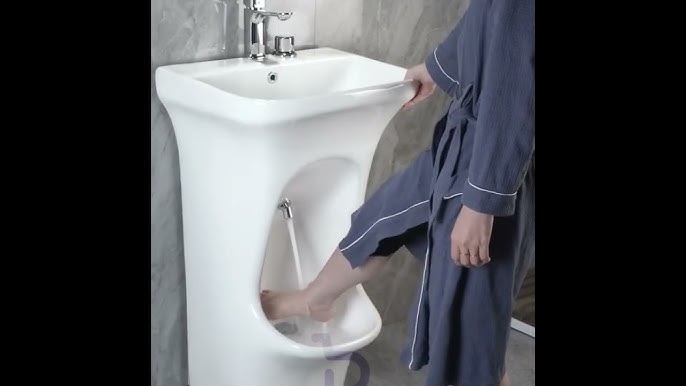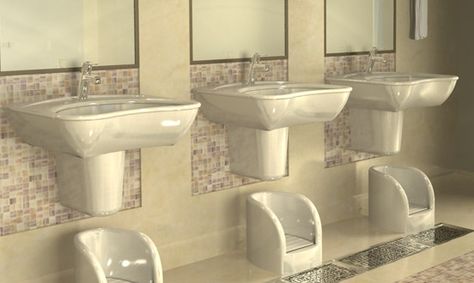
Modern Islamic infrastructure is evolving beyond traditional construction approaches, with greater emphasis on usability, accessibility, and long-term comfort for worshippers. As mosques, Islamic centers, airports, and public prayer facilities continue to expand globally, designers are increasingly adopting user-centered principles to improve ablution experiences.
In this context, the development of functional and accessible ablution systems has become a key architectural priority. A well-planned Muslim Basin system is no longer just a utility installation but a carefully engineered solution designed around user behavior, movement patterns, and hygiene expectations in high-traffic environments.
Understanding User-Centered Design in Ablution Spaces
User-centered design focuses on creating environments that prioritize ease of use, comfort, and accessibility for all individuals. In ablution areas, this means designing systems that accommodate diverse users, including elderly individuals, children, and people with mobility challenges.
Key principles include:
- Ease of access and intuitive layout design
- Comfortable spacing between users
- Reduced physical strain during washing rituals
- Clear separation of wet and dry zones
These principles ensure that ablution facilities are not only functional but also inclusive and user-friendly.
Accessibility and Inclusive Design Features
Accessibility is a critical component of modern mosque infrastructure. Designers must ensure that ablution areas are usable by people with varying physical abilities without assistance or discomfort.
Common inclusive design features include:
- Adjustable basin heights for different user groups
- Support rails for elderly and disabled users
- Wide pathways for wheelchair accessibility
- Non-slip flooring for enhanced safety
These features improve usability while maintaining dignity and independence for all worshippers.
Ergonomic Design for User Comfort
Ergonomics plays a vital role in reducing physical strain during ablution. Since wudu involves repetitive washing actions, basin systems must be designed to minimize discomfort and maximize efficiency.
Ergonomic considerations include:
- Optimal height positioning of washing points
- Natural posture alignment during use
- Reduced bending and stretching requirements
- Smooth water flow to simplify washing steps
Well-designed ergonomic systems enhance comfort, especially in large facilities where users may perform wudu multiple times a day.
Flow Efficiency and Space Optimization
User-centered design also focuses on how individuals move through ablution areas. Poor spatial planning can lead to congestion, delays, and discomfort during peak prayer times.
Effective flow optimization includes:
- Linear or circular basin layouts for smooth movement
- Clear entry and exit pathways
- Adequate spacing to avoid overcrowding
- Logical alignment with prayer hall access points
These improvements help maintain order and reduce waiting times in busy mosque environments.
Hygiene-Oriented User Experience
Cleanliness is a core requirement in Islamic facilities, and user-centered design ensures that hygiene is integrated into every aspect of the basin system.
Key hygiene-focused features include:
- Non-porous surfaces for easy cleaning
- Seamless construction to eliminate dirt traps
- Efficient drainage systems to prevent standing water
- Minimal touchpoints for reduced contamination risks
These features improve user confidence and ensure a consistently clean environment.
Material and Sensory Considerations
User experience is also influenced by material quality and sensory interaction. Smooth, durable surfaces contribute to a more comfortable and visually appealing environment.
Design considerations include:
- Smooth tactile surfaces for comfort during use
- Temperature-neutral materials suitable for all climates
- Visually clean and calming design aesthetics
- Durable finishes that maintain appearance over time
These elements help create a more pleasant and spiritually supportive environment.
Adaptability in Modern Mosque Architecture
Modern mosque designs vary significantly across regions, requiring flexible basin systems that can adapt to different architectural styles and space constraints.
Adaptable design features include:
- Modular configurations for different capacity needs
- Customizable layouts for architectural harmony
- Scalable systems for future expansion
- Compatibility with diverse plumbing infrastructures
This flexibility ensures that basin systems remain relevant across global construction projects.
Export Opportunities and Global Demand
The growing emphasis on user experience in Islamic infrastructure is driving demand for advanced ablution systems worldwide. Governments and private developers are investing in facilities that prioritize comfort, hygiene, and accessibility.
Key growth markets include:
- Middle Eastern mosque development projects
- Southeast Asian religious infrastructure expansion
- African urban and community mosque construction
- European Islamic cultural centers and prayer rooms
For manufacturers and exporters, user-centered design is becoming a key differentiator in competitive international markets.
Marketing Strategies for Global B2B Success
To succeed in the export market, manufacturers must clearly communicate the user-centered benefits of their products. Buyers often evaluate solutions based on usability, safety, and long-term value.
Effective strategies include:
- SEO-driven content focused on mosque design and usability
- Case studies highlighting user experience improvements
- Visual demonstrations of accessibility features
- Presence on international B2B construction platforms
These strategies help build credibility and attract architects, contractors, and procurement decision-makers.
Conclusion
User-centered design is reshaping the way modern Muslim basin systems are developed, ensuring that functionality, accessibility, and comfort are prioritized in every aspect of ablution area planning. As global demand for advanced Islamic infrastructure continues to grow, systems designed around real user needs are becoming essential. A well-engineered Muslim Basin reflects this shift by combining ergonomic design, hygiene efficiency, and architectural adaptability. Manufacturers and exporters who embrace user-centered principles are better positioned to succeed in the evolving international construction market.