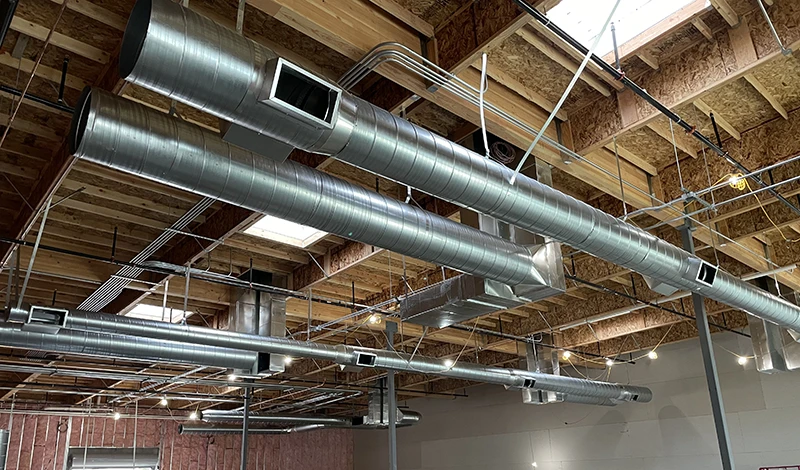
Ductwork fabrication is a critical component of HVAC system installation, requiring precision, efficiency, and adherence to strict design specifications. Fabricating high-quality ducts ensures proper airflow, energy efficiency, and long-term system reliability. Achieving this level of precision is possible only with the right combination of tools and machines, which streamline the process and maintain consistent quality across all duct components.
High-quality Ductwork Fabrication involves a combination of manual tools, mechanical devices, and automated machinery. Selecting the appropriate equipment for each stage of fabrication ensures accuracy, reduces material waste, and accelerates production timelines. Understanding the types of tools and machines used in modern duct fabrication is essential for contractors, engineers, and HVAC professionals.
Measuring and Layout Tools
Accurate measurements are the foundation of ductwork fabrication. The first step in creating a precise duct system is proper layout and marking. Tools such as tape measures, steel rulers, squares, and chalk lines are essential for marking duct panels and sheet metal before cutting or bending.
Laser measuring devices are increasingly used in modern fabrication workshops to improve accuracy and reduce human error. These tools allow fabricators to replicate complex duct shapes and ensure that all pieces fit together correctly during assembly, which is especially important for HVAC systems in large commercial buildings or industrial facilities.
Cutting Tools
Cutting is a crucial step in ductwork fabrication. Traditional hand tools such as tin snips and aviation shears are suitable for small projects or simple duct shapes. However, larger-scale projects and precise applications require powered cutting tools for efficiency and accuracy.
Electric shears, plasma cutters, and CNC cutting machines allow fabricators to produce precise cuts with minimal effort. Automated cutting machines not only reduce material waste but also enable the fabrication of complex geometries, including curved ducts, transitions, and elbows. Proper cutting tools ensure that duct sections meet design specifications and maintain structural integrity.
Bending and Forming Machines
After cutting, duct panels often need to be bent or formed into specific shapes. Hand brakes are suitable for simple bends, but mechanical and hydraulic bending machines provide greater precision for larger projects. These machines allow fabricators to form duct sections consistently while maintaining the correct angles and dimensions.
Rotary bending machines, folding machines, and press brakes are commonly used for producing bends in metal ductwork. These machines are essential for creating transitions, elbows, and customized sections that fit the building layout without requiring extensive on-site adjustments.
Punching and Notching Tools
Punching and notching are critical for creating openings, slots, and connection points in duct panels. Manual punch presses are suitable for small-scale operations, but pneumatic or hydraulic punch machines are standard in modern fabrication facilities. These machines can produce precise, repeatable holes and cutouts for fasteners, access panels, and inspection ports.
Notching tools are used to prepare duct edges for assembly, especially in lock-seam or snap-together systems. Using the right punching and notching equipment ensures proper alignment, reduces installation time, and minimizes the need for modifications during on-site assembly.
Assembly Tools and Fasteners
Once individual duct components are cut, bent, and punched, they need to be assembled. Hand tools such as screwdrivers, riveters, and pliers are commonly used, along with pneumatic or electric screw guns for faster assembly. Mechanical fasteners, including screws, rivets, and clamps, hold the duct sections together securely.
Sealing tools, such as tape dispensers, caulking guns, and seam sealers, are also critical for airtight joints. Proper sealing prevents air leakage, improves energy efficiency, and enhances the overall performance of the HVAC system.
Insulation and Lining Equipment
In many duct systems, insulation and acoustic lining are essential for energy efficiency and noise reduction. Insulation boards, blankets, and liners are cut to size and attached to the ducts using adhesive, fasteners, or specialized machinery. Automated cutting machines and application systems improve precision and reduce labor requirements, ensuring consistent insulation coverage throughout the ductwork.
Quality Control and Testing Tools
Ensuring that fabricated ducts meet design specifications requires inspection and testing. Tools such as calipers, angle gauges, and straight edges are used to verify dimensions and alignment. Pressure testing equipment may also be employed to check for leaks and ensure airtightness.
Routine quality control prevents costly errors during installation, maintains system efficiency, and ensures compliance with building codes and HVAC standards.
Conclusion
The fabrication of high-quality ductwork relies on a combination of accurate measuring tools, cutting equipment, bending and forming machines, punching and notching tools, assembly devices, insulation systems, and quality control instruments. Each tool and machine plays a specific role in ensuring that ducts are precise, durable, and ready for installation.
Modern Ductwork Fabrication integrates both manual skill and advanced machinery to achieve consistent, efficient, and reliable results. By using the appropriate tools and machines at each stage of the fabrication process, HVAC professionals can reduce errors, minimize waste, enhance energy efficiency, and deliver duct systems that meet the highest standards of performance and durability.