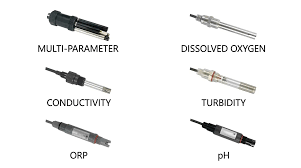
In today’s data-driven world, accurate environmental monitoring plays a crucial role across a wide range of industries. From agriculture and renewable energy to smart cities and industrial automation, sensors have become essential tools for improving efficiency, safety, and decision-making. Among the leading technologies in this domain, Rika sensors stand out for their precision, durability, and versatility in collecting real-time environmental data.
Environmental sensors are designed to measure various atmospheric and physical parameters such as temperature, humidity, wind speed, solar radiation, rainfall, and air quality. These measurements help organizations monitor conditions, predict outcomes, and respond effectively to changing environments. One notable provider in this space is Rika Sensor, known for offering a wide range of high-quality instruments tailored to industrial and environmental needs. Their products are widely used in applications where accuracy and reliability are critical.
Agriculture and Smart Farming
One of the most significant applications of Rika sensors is in agriculture, particularly in precision farming. Farmers rely on accurate environmental data to optimize irrigation, fertilization, and crop management. Sensors that measure soil moisture, temperature, humidity, and solar radiation enable farmers to make informed decisions that improve crop yield while conserving resources.
For example, weather stations equipped with Rika sensors can monitor real-time climatic conditions and provide forecasts. This allows farmers to anticipate weather changes, prevent crop damage, and plan harvesting schedules efficiently. In addition, automated irrigation systems use sensor data to deliver water only when necessary, reducing waste and promoting sustainable farming practices.
Renewable Energy Sector
The renewable energy industry, especially solar and wind power, depends heavily on environmental monitoring. Rika sensors are widely used to measure solar radiation, wind speed, wind direction, and temperature—key parameters for optimizing energy production.
In solar power plants, pyranometers and radiation sensors help determine the intensity of sunlight, enabling operators to maximize energy output and maintain system efficiency. Similarly, in wind farms, accurate wind measurements are essential for selecting suitable locations, monitoring turbine performance, and ensuring safety. By providing precise data, Rika sensors contribute to improved energy forecasting and operational efficiency.
Industrial Automation and Safety
In industrial environments, maintaining optimal conditions is essential for both productivity and safety. Rika sensors are used in factories, warehouses, and manufacturing plants to monitor environmental variables such as temperature, humidity, and air quality.
These sensors help prevent equipment malfunction caused by extreme conditions and ensure compliance with safety standards. For instance, in chemical plants, monitoring temperature and humidity can prevent hazardous reactions, while air quality sensors can detect harmful gases and protect workers. Integration with automation systems allows real-time adjustments, reducing risks and enhancing operational efficiency.
Smart Cities and Environmental Monitoring
As urban areas continue to grow, the concept of smart cities has gained importance. Rika sensors play a vital role in urban environmental monitoring systems, helping authorities track pollution levels, weather conditions, and climate patterns.
Air quality sensors measure pollutants such as particulate matter (PM2.5 and PM10), carbon dioxide, and other harmful gases. This data enables governments to implement policies aimed at reducing pollution and improving public health. Weather monitoring systems equipped with Rika sensors also assist in disaster management by providing early warnings for extreme weather events like storms and heavy rainfall.
Water Resource Management
Water management is another critical area where Rika sensors are widely applied. Monitoring rainfall, water levels, and evaporation rates is essential for efficient water resource planning and flood prevention.
Hydrological stations use rain gauges and water level sensors to collect real-time data, which helps authorities manage reservoirs, predict floods, and ensure adequate water supply. In irrigation systems, these sensors help optimize water usage, reducing wastage and supporting sustainable development.
Transportation and Infrastructure
Rika sensors are also used in transportation systems and infrastructure monitoring. Weather conditions significantly impact road safety, aviation, and maritime operations. Sensors that measure visibility, wind speed, and precipitation help improve safety and operational planning.
In aviation, accurate weather data is critical for flight safety and scheduling. Similarly, in road transportation, real-time weather updates help authorities manage traffic and reduce accidents during adverse conditions. Infrastructure projects such as bridges and tunnels also use environmental sensors to monitor structural conditions and ensure long-term durability.
Conclusion
The applications of Rika sensors in modern industries are vast and continuously expanding. Their ability to provide accurate, real-time environmental data makes them indispensable tools in agriculture, renewable energy, industrial automation, smart cities, water management, and transportation. As industries continue to embrace digital transformation and data-driven decision-making, the demand for reliable sensor technology will only grow.
By enabling better monitoring, improved efficiency, and enhanced safety, Rika sensors are playing a key role in shaping a smarter and more sustainable future across multiple sectors.