Maintaining hygienic water systems and clean processing environments requires reliable disinfection products. Chlorine-based chemicals are widely used because they can help control bacteria, viruses, algae, and other microorganisms when applied at appropriate concentrations. However, not all chlorine products have the same chemical composition, dissolution behavior, or storage requirements. Understanding these differences helps businesses select suitable products for their operational needs.
Sanitizing Chlorine Tablets are a convenient format for delivering chlorine-based disinfectants in applications such as swimming pool maintenance, water treatment, and selected sanitation processes. Their performance depends on the active ingredient, available chlorine content, dissolution characteristics, and conditions of use. Comparing these factors allows purchasers and facility operators to make informed decisions about product selection, handling, and storage.
Understanding Sanitizing Chlorine Tablets
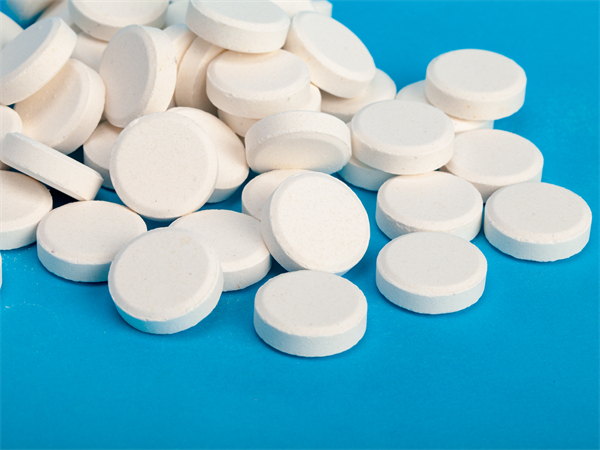
Sanitizing chlorine tablets are solid chemical products designed to release chlorine-based disinfecting agents when they dissolve in water. Depending on the formulation, they may contain different active ingredients with distinct chemical properties.
These products are valued for their convenient handling and controlled application in suitable dosing systems. Tablet form can simplify measurement and routine maintenance compared with some liquid or granular alternatives. However, the appropriate product depends on the water system, required treatment conditions, and applicable safety standards.
The term “chlorine tablet” describes a product format rather than one specific chemical. Buyers should therefore examine the product label and technical documentation to identify the active ingredient and its intended application.
1. Common Active Ingredients in Chlorine Tablets
Different chlorine-based compounds are used in tablet disinfectants. Their chemical characteristics influence available chlorine, stability, dissolution, and suitability for particular applications.
Trichloroisocyanuric Acid (TCCA)
Trichloroisocyanuric acid, commonly called TCCA or trichlor, is a chlorine-based disinfectant frequently used in swimming pool sanitation. It generally has a high available chlorine content and dissolves gradually in water, making it suitable for certain controlled-release applications.
TCCA also introduces cyanuric acid into treated water. This stabilizing effect can help reduce chlorine degradation caused by ultraviolet sunlight in outdoor pools. However, cyanuric acid levels can accumulate over time, so regular water testing and appropriate management are important.
Sodium Dichloroisocyanurate (SDIC)
Sodium dichloroisocyanurate, often abbreviated as SDIC or dichlor, is another widely used chlorine-based disinfectant. It is available in several product forms, including granules and tablets.
SDIC products are commonly used in water disinfection and selected sanitation applications. Their dissolution characteristics depend on formulation, tablet dimensions, and manufacturing specifications. Unlike TCCA, SDIC formulations are generally associated with a different cyanuric acid contribution and should be evaluated according to the specific product composition.
Calcium Hypochlorite
Calcium hypochlorite is an inorganic chlorine compound used in water treatment and sanitation. It is available in different solid forms, including tablets and granules.
It provides available chlorine without introducing cyanuric acid. However, it can contribute calcium to treated water, which may be relevant in systems where water hardness and scale formation require careful management.
2. Comparing Active Ingredients and Their Characteristics
Selecting a suitable tablet requires an understanding of how the main chlorine compounds differ.
| Active ingredient | Common applications | Important characteristics |
|---|---|---|
| TCCA | Swimming pools and selected water-treatment systems | High available chlorine; introduces cyanuric acid; often used for gradual dissolution |
| SDIC | Water disinfection and sanitation | Available in different formulations; dissolution varies by product |
| Calcium hypochlorite | Water treatment and sanitation | Does not add cyanuric acid; contributes calcium to treated water |
These are general characteristics rather than guarantees for every commercial product. Actual available chlorine content, tablet composition, dissolution rate, and application instructions should be confirmed through the manufacturer’s documentation.
3. Applications Across Different Industries
Chlorine tablets serve several purposes in facilities that require routine disinfection. Their suitability depends on the active ingredient, water chemistry, treatment system, and regulatory requirements.
Swimming Pool Sanitation
Swimming pools require effective disinfection to help control microorganisms introduced by swimmers, environmental contamination, and surrounding surfaces.
Certain chlorine tablets are designed for gradual dissolution in compatible pool dosing systems. TCCA tablets are commonly selected for outdoor pools because they also provide a stabilizing effect through cyanuric acid.
Pool operators should monitor free chlorine, pH, and cyanuric acid where relevant. Excessive stabilizer accumulation can reduce chlorine effectiveness, so tablet selection should be part of a broader water-management program.
Drinking Water Treatment
Chlorine-based disinfectants are used in drinking water treatment to control harmful microorganisms and maintain an appropriate disinfectant residual in distribution systems.
Not every sanitizing tablet is suitable for drinking water applications. Products must meet the applicable regulatory and certification requirements, and operators must follow approved treatment procedures and dosage limits. Pool tablets should never be assumed suitable for potable water treatment.
Industrial Water Systems
Cooling systems, process water networks, and other industrial installations may require disinfection to manage microbial growth. Chlorine-based products can be used in suitable treatment programs, but the choice of chemical depends on system design, water composition, and process requirements.
In some industrial applications, tablet-based products may be less appropriate than automated liquid or other dosing systems. Technical evaluation is necessary before selecting a treatment format.
Institutional and Facility Sanitation
Certain chlorine-based tablets are formulated for surface disinfection or other sanitation tasks. These products must be used according to their registered label directions, including specified dilution, contact time, and surface restrictions.
Water-treatment tablets and surface-disinfection tablets are not automatically interchangeable. The intended application must be clearly identified before use.
4. Why Dissolution Rate Matters
Dissolution behavior is a major consideration when choosing chlorine tablets. Some products are designed to release their active ingredient gradually, while others dissolve more quickly under particular conditions.
Several factors influence tablet dissolution:
- Chemical composition: Different active ingredients have different solubility characteristics.
- Tablet size: Larger tablets may require more time to dissolve fully.
- Compression and density: Manufacturing conditions influence the physical structure of a tablet.
- Water temperature: Temperature can affect dissolution behavior.
- Water movement: Circulation and agitation influence contact between the tablet and water.
- Water chemistry: pH and other dissolved substances can affect treatment conditions and product behavior.
A slower-dissolving tablet may be suitable for certain continuous pool-maintenance systems, while a different formulation may be required for other disinfection processes. Operators should follow the manufacturer’s instructions rather than attempting to control dissolution through unapproved modifications.
5. Available Chlorine and Disinfection Performance
Available chlorine is an important specification because it indicates the oxidizing capacity of a chlorine-based product. However, a higher available chlorine percentage does not automatically mean that a product is more suitable for every application.
Effective disinfection depends on several interacting conditions:
Correct Concentration
The amount of disinfectant must be appropriate for the treatment purpose and the volume of water or surface area involved. Excessive concentrations may create health, equipment, or material-compatibility problems.
Contact Time
Disinfection requires sufficient contact between the active chemical and the target microorganisms. The required time depends on the product, organism, concentration, and environmental conditions.
pH Control
For many chlorine-based water-treatment systems, pH influences the balance between different forms of free chlorine and therefore affects disinfection performance. Regular testing helps operators maintain suitable conditions.
Organic and Inorganic Contaminants
Organic matter and other substances can consume chlorine, reducing the residual available for disinfection. Monitoring and appropriate pre-treatment can help maintain more consistent results.
6. Storage Requirements for Sanitizing Chlorine Tablets
Correct storage is essential for preserving product quality and reducing chemical hazards. Chlorine-based tablets can lose strength or become unstable if exposed to unsuitable conditions.
Keep Products Dry
Moisture can trigger unwanted chemical reactions and damage tablet quality. Store products in their original, tightly closed containers in a dry location.
Control Temperature
Follow the manufacturer’s recommended storage temperature range. Avoid excessive heat and direct sunlight, which can affect product stability and packaging.
Maintain Adequate Ventilation
Store chlorine products in a suitable, well-ventilated chemical storage area. Containers should remain closed when not in use, and the storage arrangement should prevent the accumulation of hazardous vapors.
Separate Incompatible Chemicals
Chlorine tablets must be kept away from acids, ammonia, organic materials, reducing agents, and other incompatible substances. Mixing chlorine products with acids or ammonia can release dangerous toxic gases.
Different chlorine-based products should not be mixed together unless the manufacturer specifically confirms compatibility and provides an approved procedure.
Protect Original Labels and Packaging
Retain product labels and safety information so that staff can identify the chemical, follow handling instructions, and respond appropriately to an incident.
7. Safety Practices During Handling and Application
Chlorine tablets are chemical disinfectants and require careful handling. The exact hazards vary by active ingredient and formulation, so users should consult the product-specific safety data sheet.
Important precautions include:
- Wear suitable chemical-resistant gloves and eye protection.
- Use protective clothing when handling tablets or preparing solutions.
- Avoid breathing dust or fumes.
- Never mix chlorine tablets with acids, ammonia, or other cleaning chemicals.
- Use only the dosing equipment and application methods approved for the product.
- Keep chemicals away from children, animals, food, and beverages.
- Follow the label for first aid, spill management, and disposal.
- Never place tablets directly into a system unless the product instructions specifically permit that method.
If accidental mixing, unusual fumes, or a chemical release occurs, leave the affected area and follow the facility’s emergency response procedure.
8. How to Choose the Right Commercial Product
For distributors, pool operators, industrial buyers, and water-treatment professionals, product selection should involve more than comparing tablet prices.
Confirm the Active Ingredient
Identify whether the product contains TCCA, SDIC, calcium hypochlorite, or another chlorine-based compound. This determines important characteristics such as stabilizer contribution and application suitability.
Check Available Chlorine Content
Review the manufacturer’s stated available chlorine specification and verify that it matches the requirements of the intended treatment process.
Evaluate Tablet Specifications
Consider tablet weight, dimensions, physical strength, packaging, and dissolution characteristics. Consistent tablet quality can support more predictable dosing and handling.
Review Documentation
Request technical data sheets, safety data sheets, and batch-specific certificates of analysis where available. For regulated applications, confirm the required approvals and certifications.
Assess Supplier Reliability
A dependable supplier should provide consistent specifications, suitable packaging, clear documentation, and reliable delivery arrangements. These factors are particularly important for organizations with ongoing chemical requirements.
9. Common Mistakes to Avoid
Incorrect selection or handling can reduce treatment effectiveness and create avoidable safety risks.
- Choosing a product based only on its available chlorine percentage.
- Using pool tablets for drinking water without confirming regulatory suitability.
- Ignoring cyanuric acid accumulation when using stabilized chlorine in pools.
- Failing to test chlorine residual and pH regularly.
- Storing tablets in humid or excessively hot conditions.
- Mixing different disinfectants or combining chlorine products with acidic cleaners.
- Assuming every tablet format is compatible with every dosing system.
Careful product evaluation, regular monitoring, and adherence to the manufacturer’s instructions help prevent these problems.
Conclusion
Sanitizing chlorine tablets are available in several chemical formulations, each with distinct characteristics, applications, and storage requirements. TCCA, SDIC, and calcium hypochlorite are important examples, but their differences in stabilization, available chlorine, dissolution, and water chemistry effects mean that they should not be treated as interchangeable products.
Selecting the right tablet requires evaluating the active ingredient, intended application, product specifications, and regulatory requirements. Equally important are proper storage, safe handling, and routine monitoring. By considering these factors together, businesses and facility operators can make better-informed decisions and maintain more reliable disinfection programs.