LED signs are an effective way for businesses to improve visibility, promote products, and create a recognizable brand identity. Whether you need an illuminated storefront sign, a custom LED neon display, or a digital advertising board, choosing the right product requires careful planning. The quality of the finished sign, its suitability for the installation environment, and the supplier’s ability to meet your requirements can all influence the success of your investment.
Before making a purchase, it is important to communicate clearly with an experienced LED Sign Supplier and understand what the ordering process involves. Asking the right questions can help you compare products, clarify costs, avoid unexpected delays, and select signage that meets your business objectives. The following questions can help guide your decision.
1. What Types of LED Signs Do You Offer?
Start by asking about the supplier’s available product range. LED signage comes in many forms, and each type serves a different purpose.
Depending on your needs, you may be interested in:
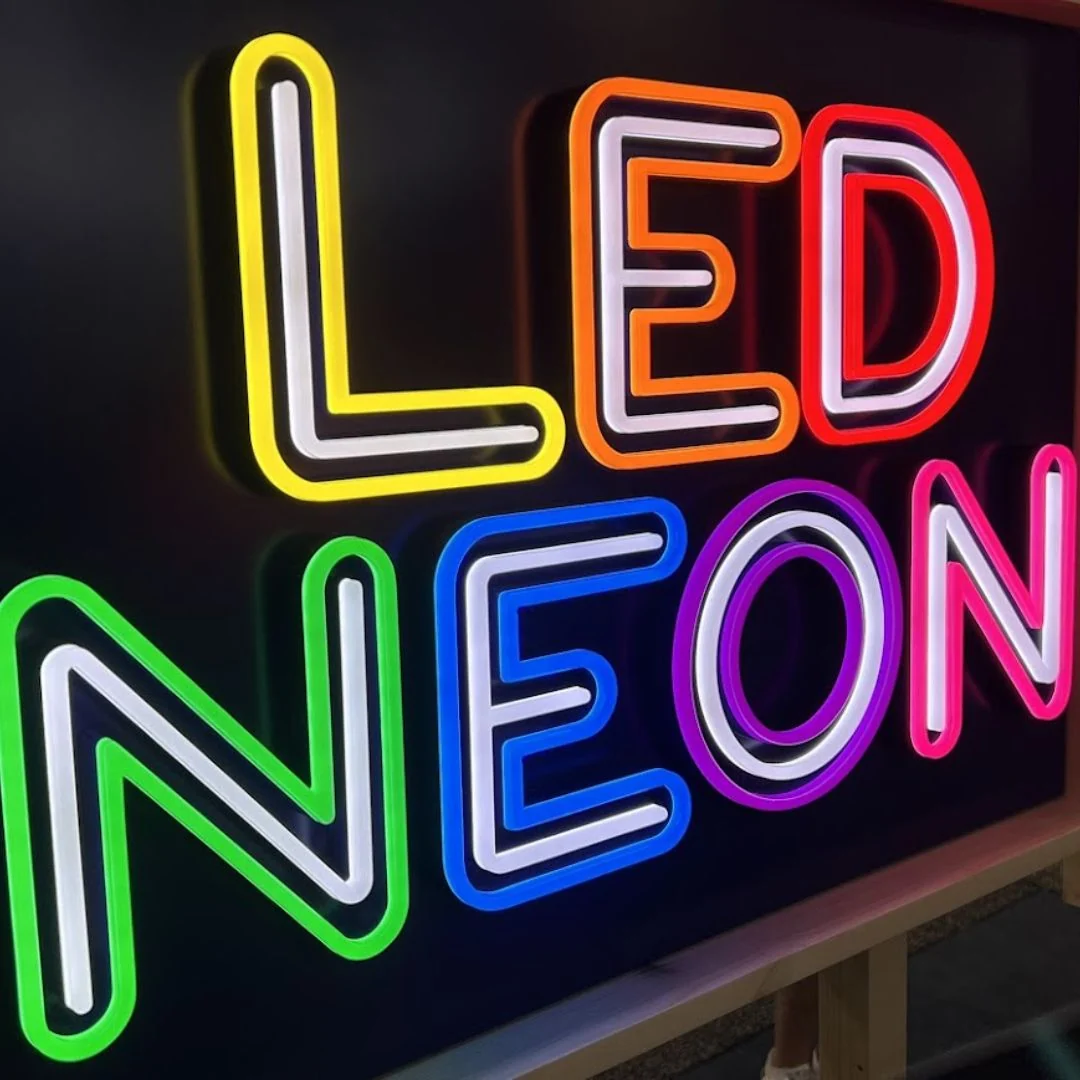
- LED neon signs for decorative branding and interior displays.
- Illuminated channel letters for storefronts and building exteriors.
- Digital LED screens for advertising and changing messages.
- Custom logo signs for offices, reception areas, and retail spaces.
- Promotional displays for exhibitions, events, and commercial campaigns.
A supplier with a diverse selection can help you compare suitable options instead of limiting your decision to a single product category.
2. Can You Customize the Sign to Match My Brand?
Customization is essential when signage needs to represent a specific business identity. Ask whether the supplier can accommodate your logo, preferred colors, lettering style, dimensions, and design specifications.
You should also find out whether they can work from existing artwork or help develop a design from an initial concept. Requesting a digital mockup before production can help you understand how the finished sign is expected to look.
Confirming these details early reduces the risk of receiving a product that does not match your branding expectations.
3. What Materials and LED Components Do You Use?
The materials and electrical components used in a sign affect its appearance, durability, and overall performance. Ask about the construction materials, LED modules or strips, power supplies, protective components, and finishing methods.
For outdoor installations, it is particularly important to understand whether the sign is designed to withstand exposure to rain, dust, sunlight, and temperature changes.
Request product specifications where possible. Information about component quality and environmental protection will help you compare different products more accurately.
4. Is the Sign Suitable for Indoor or Outdoor Installation?
Not every LED sign is designed for every environment. Indoor signs generally have different protection requirements from displays installed on building exteriors or exposed commercial spaces.
Ask the supplier to confirm the intended installation conditions. For outdoor products, discuss weather resistance, enclosure protection, mounting arrangements, and electrical safety.
You should also consider the sign’s viewing distance and surrounding lighting. A display intended for a busy roadside location may require different brightness and dimensions from one installed inside a reception area.
5. What Are the Available Sizes and Design Options?
The size and proportions of a sign can affect readability, visibility, and visual balance. Ask about available dimensions and whether the product can be manufactured according to your installation space.
Useful details to confirm include:
- Overall width and height.
- Lettering and logo proportions.
- Available colors and lighting effects.
- Mounting depth and clearance requirements.
- Cable placement and power connection locations.
- Frame, backing, and finishing options.
Providing accurate measurements and installation photographs can help the supplier recommend an appropriate design.
6. How Much Will the Complete Project Cost?
Price is an important consideration, but the quoted product cost may not include every expense. Ask for a detailed quotation that explains what is covered.
Depending on the project, additional costs may involve design work, customization, packaging, shipping, installation hardware, electrical accessories, and professional installation.
You should also ask whether taxes, delivery charges, or other fees apply. Comparing itemized quotations makes it easier to understand the actual investment and identify differences between suppliers.
7. What Is the Expected Production and Delivery Timeline?
Production schedules can affect store openings, promotional campaigns, renovations, and other business activities. Ask how long design approval, manufacturing, quality inspection, and shipping are expected to take.
It is also useful to confirm whether the supplier can accommodate a required delivery date and how delays will be communicated.
For large or customized orders, request a realistic schedule rather than relying on a general estimate. This allows you to coordinate installation and other project activities more effectively.
8. Do You Provide Design Proofs Before Manufacturing?
A design proof gives customers an opportunity to review the proposed sign before production begins. Ask whether the supplier provides digital previews, technical drawings, or mockups.
Check the following details carefully:
- Spelling and wording.
- Logo placement and proportions.
- Colors and lighting effects.
- Overall dimensions.
- Mounting and cable arrangements.
Make sure you understand how many revisions are included and whether changes made after production approval will involve additional charges. Written approval of the final design can help prevent misunderstandings.
9. What Warranty and After-Sales Support Do You Offer?
A sign is a long-term business asset, so it is important to understand what happens if a component develops a fault.
Ask about the warranty period, which parts are covered, and what conditions may invalidate the warranty. You should also clarify the process for reporting defects and requesting repairs or replacement components.
Additional questions worth asking include whether replacement LED components are available, whether technical assistance is provided, and how customers can obtain maintenance guidance after delivery.
Clear after-sales policies can make a significant difference when evaluating suppliers.
10. Can You Provide Examples of Previous Projects?
Reviewing a supplier’s previous work can help you assess its experience and production capabilities. Ask for photographs, project examples, or references involving signage similar to what you need.
Look for consistency in construction, finishing, lighting quality, and attention to detail. If possible, examine examples of both indoor and outdoor installations relevant to your project.
Previous work does not guarantee future results, but it can provide useful insight into the supplier’s design approach and manufacturing experience.
11. What Are the Installation Requirements?
Before placing an order, find out how the sign will be installed and what preparation is necessary. Some signs are designed for wall mounting, while others may require frames, brackets, suspension systems, or specialized supports.
Ask whether installation instructions and mounting hardware are included. You should also clarify the electrical requirements, power supply specifications, and whether a qualified electrician or professional installer is needed.
For large exterior signs, additional considerations may include structural support, access equipment, local permissions, and building regulations. Addressing these requirements before production can help avoid complications later.
12. What Maintenance Will the Sign Require?
Different LED products have different maintenance needs. Ask how to clean the sign, inspect electrical connections, and identify potential performance issues.
You should also find out whether the product has accessible components for servicing and whether replacement parts can be obtained if needed.
Following the manufacturer’s maintenance recommendations can help preserve the sign’s appearance and support reliable operation over time.
Tips for Comparing LED Sign Suppliers
Once you have answers to these questions, compare suppliers using consistent criteria. Avoid making a decision based only on the lowest quotation or the largest product catalog.
Consider these factors together:
| Evaluation Factor | What to Check |
|---|---|
| Product range | Availability of suitable sign types |
| Customization | Design flexibility and revision options |
| Materials | Quality of construction and LED components |
| Pricing | Detailed quotations and additional charges |
| Production | Realistic manufacturing and delivery schedules |
| Warranty | Coverage, exclusions, and claim procedures |
| Support | Installation guidance and after-sales assistance |
A supplier that communicates clearly and provides detailed product information can make the purchasing process more straightforward.
Conclusion
Placing an order for LED signage involves more than selecting an attractive design. Businesses should understand the product specifications, customization options, materials, pricing, production schedule, installation requirements, and warranty conditions before committing to a purchase.
Asking these questions helps reduce uncertainty and makes it easier to compare available options. By evaluating product quality, supplier experience, communication, and after-sales support together, businesses can choose signage that meets their requirements and contributes to a strong, lasting visual presence.