How to Make a Small Bathroom Look Bigger with the Right Basin Design
A small bathroom can feel comfortable, stylish, and functional when every design element is chosen carefully. Although limited floor space can make a bathroom appear cramped, the right fixtures, colors, and layout can create a more open atmosphere. One of the most important elements to consider is the washbasin. Its size, shape, installation style, and placement can significantly influence how spacious the room looks and feels.
Choosing a basin that fits the available space helps improve movement, reduce visual clutter, and make daily routines more convenient. A well-designed Small Bathroom Basin can become a practical focal point without overwhelming the surrounding area. By combining an appropriate basin design with smart storage, lighting, and color choices, homeowners can make even a compact bathroom feel brighter and more spacious.
1. Choose a Compact Basin That Fits Your Bathroom Layout
The first step toward making a small bathroom look bigger is selecting a basin that matches the room’s dimensions. An oversized basin can occupy valuable floor or countertop space, making the entire area feel crowded. A compact design provides the functionality needed for everyday use while leaving more room for movement.
Before choosing a basin, measure the available width, depth, and installation height. Consider the distance between the basin, toilet, shower enclosure, and bathroom door. These measurements help prevent a layout in which fixtures interfere with one another.
However, compact does not necessarily mean impractical. The basin should provide enough space for comfortable handwashing while limiting unnecessary bulk. A carefully proportioned design can make the bathroom look balanced rather than overcrowded.
2. Install a Wall-Mounted Basin to Open Up Floor Space
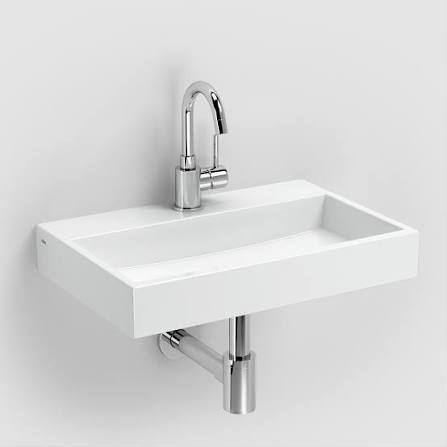
Wall-mounted basins are an effective option for compact bathrooms because they leave the floor beneath the fixture visible. This uninterrupted floor area creates a sense of openness and makes the room easier to clean.
These basins can also be installed at a suitable height for the household’s needs. Depending on the plumbing arrangement, some pipework may remain visible, so planning the installation carefully is important for achieving a clean appearance.
Wall-mounted designs work particularly well in narrow bathrooms, guest bathrooms, and powder rooms where every inch matters. Pairing the basin with a simple mirror and minimal accessories can further enhance the uncluttered look.
3. Consider a Corner Basin for Awkward Spaces
Some small bathrooms have layouts that make conventional basin placement difficult. A corner basin can solve this problem by using an area that might otherwise remain unused.
Corner models are especially useful in narrow toilet rooms, compact guest bathrooms, and irregularly shaped spaces. Their angled or triangular profiles can reduce obstruction in the main walking area while keeping handwashing facilities accessible.
Before installation, check the available wall space, tap position, plumbing access, and clearance around nearby fixtures. A corner basin should make movement easier, not create a tight space between the basin and the toilet or doorway.
4. Choose a Slim, Shallow-Depth Design
The depth of a basin can have a major impact on how much space remains available in front of it. In a narrow bathroom, a deep basin may extend too far into the room, restricting movement and making the layout feel crowded.
A shallow-depth basin projects less from the wall and can provide more clearance in front of the fixture. This is particularly helpful in small toilet rooms and bathrooms with narrow passageways.
When comparing options, look beyond the overall width. Check the basin’s front-to-back measurement, bowl depth, and usable washing area. The best design balances space savings with everyday comfort and effective water containment.
5. Use Light Colors to Create a Brighter Appearance
Color influences how spacious a bathroom feels. Light shades such as white, cream, pale gray, and soft beige reflect light and help create a calm, open atmosphere.
A white basin is a versatile choice because it coordinates easily with light-colored walls, tiles, and countertops. It can also create a clean visual contrast against darker finishes without making the room appear overly busy.
For a cohesive design, coordinate the basin with the surrounding surfaces. Using similar light tones across walls, flooring, and cabinetry can reduce visual interruptions. If you prefer darker accents, introduce them through taps, handles, or small accessories rather than covering every surface with contrasting colors.
6. Select a Simple Basin Shape
The shape of a basin affects both its appearance and its suitability for a compact room. Rounded, oval, rectangular, and square designs can all work well, depending on the available space and the overall interior style.
A rounded basin can soften the appearance of a small bathroom, while a rectangular model may fit neatly against a straight wall or narrow countertop. A slim rectangular basin can be especially useful when the room requires a fixture that does not project too far outward.
Avoid choosing a basin based on appearance alone. Check the usable bowl area, tap placement, splash control, and compatibility with the surrounding fixtures. A simple shape with balanced proportions often works better than an oversized decorative design.
7. Pair the Basin with a Large Mirror
A mirror is one of the easiest ways to make a compact bathroom appear larger. It reflects light and creates a visual impression of additional depth, helping the space feel brighter and less enclosed.
Installing a large mirror above the basin can make the basin area appear more open. In a narrow bathroom, a wide mirror may visually expand the wall, while a tall mirror can emphasize vertical space.
For an especially clean appearance, consider a frameless mirror or one with a slim frame. Position it to reflect useful light sources or an attractive part of the room. Avoid reflecting cluttered shelves or crowded corners, as this can make the bathroom feel busier.
8. Keep Storage Minimal and Organized
A small bathroom can quickly look cramped when toiletries, cleaning products, and personal items cover the basin or countertop. Good storage planning keeps these everyday essentials accessible without creating visual clutter.
If you choose a wall-mounted basin, consider a narrow wall cabinet or recessed shelf where the wall structure allows it. A compact vanity can also provide concealed storage, although its dimensions should not restrict legroom or walking space.
Keep the basin surface clear by storing frequently used items in designated places. Wall-mounted soap dispensers, compact organizers, and mirrored cabinets can help reduce countertop clutter.
The goal is not to eliminate storage but to use it efficiently. A tidy bathroom usually feels more spacious because the eye can move around the room without encountering too many objects.
9. Use Lighting to Highlight the Basin Area
Poor lighting can make a small bathroom feel enclosed, especially when shadows fall across corners and countertops. A combination of general lighting and focused illumination around the basin can create a brighter, more welcoming environment.
Ceiling lights provide overall illumination, while mirror lighting helps make grooming tasks easier. Wall lights or appropriately positioned fixtures can also reduce shadows around the basin.
Whenever possible, make good use of natural light by keeping windows unobstructed and choosing light-filtering window coverings that provide the required privacy. Select lighting with a suitable color temperature for the room’s finishes and intended use.
Remember to choose bathroom-rated lighting and follow applicable electrical safety requirements, particularly near water sources.
10. Coordinate the Basin with Other Bathroom Fixtures
A basin may be compact on its own, but it can still make a small bathroom feel crowded if it clashes with the dimensions or style of the other fixtures. A coordinated layout helps the room look more intentional and visually balanced.
Choose taps that suit the basin’s design and allow comfortable handwashing. Wall-mounted taps may help free up countertop space in compatible installations, but the basin and tap must be designed to work together to avoid splashing.
Similarly, consider how the basin relates to the toilet, shower screen, towel rail, and storage units. Keeping finishes consistent and avoiding unnecessary decorative details can make the room feel more unified.
For example, a simple white basin paired with a frameless mirror, light wall tiles, and streamlined chrome fittings can create a modern appearance without adding visual weight.
11. Avoid Common Basin Design Mistakes
Even a well-chosen basin may not improve a small bathroom if the surrounding layout is poorly planned. Avoiding a few common mistakes can help you make better use of the available space.
Choosing a Basin That Is Too Large
A basin that dominates the room can restrict movement and reduce the available space for other fixtures. Always check its dimensions against the bathroom layout before purchasing.
Ignoring User Comfort
An extremely small bowl may save space but make handwashing difficult. Choose a design that offers an appropriate balance between compact dimensions and practical usability.
Overlooking Tap Compatibility
The tap’s height, reach, and position should suit the basin’s shape and depth. Incompatible combinations may cause splashing or leave insufficient room for comfortable use.
Adding Too Many Accessories
Large countertop organizers, decorative objects, and bulky soap dispensers can make the basin area feel crowded. Use a few practical accessories and store the rest out of sight.
Forgetting Plumbing and Installation Requirements
Wall-mounted and corner basins may require specific plumbing arrangements or wall support. Confirm the installation requirements before buying to avoid unexpected changes or additional costs.
12. How to Choose the Best Basin for Your Small Bathroom
The ideal basin depends on the shape of your bathroom, the number of users, your storage needs, and your preferred interior style. Comparing these factors before making a purchase helps you select a fixture that looks good and works well.
Use the following checklist to guide your decision:
- Measure the space: Record the available width, depth, and height, along with the clearance around nearby fixtures.
- Assess the layout: Decide whether a wall-mounted, corner, countertop, or compact vanity basin will suit the room best.
- Check daily usability: Make sure the bowl provides sufficient washing space and works with the selected tap.
- Choose suitable materials: Consider durability, cleaning requirements, moisture resistance, and the finish of the basin.
- Plan storage: Determine where toiletries and bathroom essentials will be kept before deciding how much countertop space you need.
- Coordinate the design: Match the basin with the mirror, lighting, wall finishes, and other fixtures.
- Confirm installation details: Check plumbing connections, mounting support, and the manufacturer’s fitting instructions.
Taking time to evaluate these details can help you avoid expensive mistakes and create a bathroom that feels more spacious without requiring major structural changes.
Conclusion
Making a small bathroom look bigger does not always require renovation or removing existing fixtures. The right basin design, combined with thoughtful placement, suitable colors, effective lighting, and organized storage, can significantly improve the appearance and functionality of a compact space.
Wall-mounted basins help expose more floor area, corner models make use of otherwise awkward spaces, and shallow-depth designs improve clearance in narrow bathrooms. Large mirrors, light finishes, and simple accessories further support an open, uncluttered look.
Ultimately, the best basin is one that fits the available dimensions while meeting everyday needs. By prioritizing proportion, usability, and a coordinated design, you can create a small bathroom that feels brighter, more comfortable, and more spacious.