Art has always reflected the world around us, capturing the ideas, interests, and cultural changes that shape different generations. Pop Art emerged as a movement that challenged traditional artistic boundaries by bringing everyday objects, advertisements, celebrities, and mass media into the world of fine art. When combined with oil painting, this modern visual language takes on a distinctive character, balancing bold contemporary imagery with the depth and craftsmanship of classical painting.
The combination of these two approaches creates an interesting relationship between modern culture and established artistic traditions. A Pop Art Oil Painting brings recognizable images into a medium known for its rich textures, layered colors, and expressive details. This contrast allows artists to explore familiar subjects while maintaining the visual complexity and artistic qualities associated with traditional oil painting.
Understanding the Origins of Pop Art
Pop Art developed during the 1950s and became especially influential throughout the 1960s. Artists began questioning the distinction between fine art and popular culture, drawing inspiration from commercial products, comic books, movie posters, newspapers, and celebrity imagery.
Rather than focusing exclusively on traditional subjects such as landscapes, historical events, or portraits, Pop Art celebrated the visual elements of everyday life. It transformed ordinary objects into recognizable artistic subjects and encouraged audiences to reconsider what could be considered art.
Artists such as Andy Warhol, Roy Lichtenstein, and Richard Hamilton helped establish the movement’s identity. Their work introduced bold compositions, repeated imagery, strong outlines, and commercial printing influences that continue to inspire contemporary artists.
The Traditional Appeal of Oil Painting
Oil painting has a long history in European and international art traditions. Its versatility, slow drying time, and ability to create rich color combinations have made it a preferred medium for generations of artists.
Unlike many fast-drying painting materials, oil paints allow artists to blend colors gradually and build up multiple layers. This flexibility makes it possible to achieve subtle transitions, realistic textures, and impressive depth.
Some defining characteristics of traditional oil painting include:
- Rich pigmentation: Oil colors often provide strong saturation and visual depth.
- Layering techniques: Artists can apply multiple layers to create complex surfaces and details.
- Blending flexibility: Slow drying allows colors to merge smoothly.
- Textural variation: Different brushes and application methods produce distinctive surface effects.
- Long-term durability: Properly prepared and maintained oil paintings can remain visually impressive for generations.
These qualities make oil painting an effective medium for interpreting the energetic visual language of Pop Art.
How Pop Art Combines with Traditional Oil Painting
The relationship between Pop Art and oil painting is based on contrast. Pop Art typically uses simplified forms, striking colors, and familiar cultural references, while traditional oil techniques offer detailed craftsmanship and layered visual effects.
When artists combine these approaches, they can create compositions that feel both contemporary and timeless.
Bold Colors and Expressive Brushwork
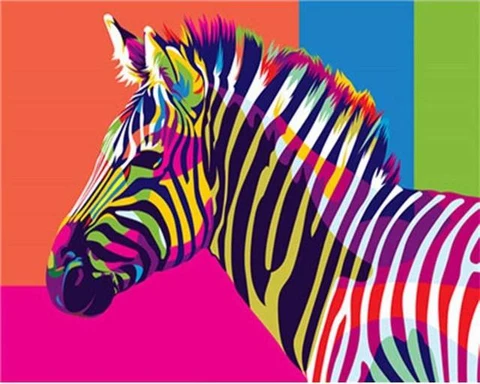
Bright colors are among the most recognizable features of Pop Art. Vivid reds, yellows, blues, and greens help create visual excitement and draw attention to important elements within a composition.
Oil paints allow artists to achieve these strong colors while introducing subtle tonal variations. Instead of relying entirely on flat color areas, painters can incorporate brushstrokes, highlights, shadows, and textured layers.
The result is artwork that maintains the visual energy of Pop Art while displaying the richness of a traditional painting medium.
Familiar Imagery with Artistic Depth
Popular culture provides an almost endless collection of subjects for contemporary artists. Celebrities, consumer products, entertainment icons, urban environments, and everyday objects can all become sources of inspiration.
Oil painting gives these recognizable images additional dimension. Artists can introduce realistic shading, carefully blended backgrounds, and expressive surface details without losing the simplicity of the original imagery.
This balance between familiarity and artistic interpretation makes the style appealing to audiences with different artistic preferences.
Texture and Layering Techniques
Texture is another important element that connects modern Pop Art imagery with traditional painting methods.
Artists may use thick applications of paint, controlled brushwork, or multiple transparent layers to create visual interest. These techniques add physical character to compositions that might otherwise resemble printed graphics.
The contrast between smooth graphic shapes and textured oil-painted surfaces can make an artwork more engaging when viewed closely.
The Influence of Popular Culture on Contemporary Oil Art
Popular culture constantly changes, and contemporary artists often respond to these developments through their work. Music, fashion, cinema, technology, advertising, and social media provide new subjects and visual references.
These cultural influences help keep Pop Art relevant across different generations. While early artists frequently explored consumerism and mass communication, modern interpretations may also examine digital identity, internet culture, changing lifestyles, and celebrity influence.
Oil painting offers a traditional framework for exploring these modern subjects. By using an established medium to represent contemporary experiences, artists create a connection between historical artistic practices and present-day society.
Techniques Artists Use to Create Pop Art Oil Paintings
Although every artist develops an individual approach, several techniques are commonly associated with combining Pop Art aesthetics and oil painting.
Stenciling and Defined Outlines
Stencils help artists produce consistent shapes and clean edges. Strong outlines also make subjects easier to recognize and contribute to the graphic appearance associated with classic Pop Art.
Color Blocking
Color blocking involves placing contrasting colors in clearly defined areas. This technique creates visual structure and allows important elements to stand out without unnecessary complexity.
Glazing and Layering
Glazing involves applying thin, transparent layers of paint over dried surfaces. Artists can use this method to adjust color intensity, introduce depth, and create subtle changes in appearance.
Mixed Visual References
Some artists combine photographic references, printed imagery, and hand-painted details. This approach connects the commercial influences of Pop Art with the individual expression and craftsmanship of traditional painting.
Why This Artistic Combination Remains Relevant
The continued popularity of this artistic approach reflects its ability to connect different visual experiences. Pop Art makes use of images that people recognize from everyday life, while oil painting introduces qualities associated with artistic skill, history, and individuality.
This combination also encourages conversations about consumer culture, identity, media influence, and the relationship between commercial imagery and fine art.
Its flexibility allows artists to create works that are humorous, critical, nostalgic, decorative, or socially meaningful. As popular culture evolves, the subjects and interpretations available to artists continue to expand.
The Role of Pop Art Oil Paintings in Modern Interior Spaces
Beyond galleries and museums, Pop Art-inspired oil paintings have become part of contemporary interior design. Their strong colors and recognizable imagery can introduce personality into residential and commercial environments.
These artworks can work particularly well in spaces with neutral walls, minimalist furniture, or modern decorative elements. A bold composition can serve as a focal point without requiring extensive additional decoration.
When choosing artwork for an interior, several factors are worth considering:
- Color coordination: Select artwork that complements or intentionally contrasts with the existing color scheme.
- Wall space: Consider the dimensions of the wall and the painting before deciding on placement.
- Visual balance: Avoid overcrowding an area with too many competing decorative elements.
- Lighting: Appropriate lighting can reveal the colors, brushwork, and surface details of an oil painting.
- Subject matter: Choose imagery that suits the atmosphere and character of the room.
These considerations help create a balanced environment in which artwork contributes to the overall visual experience.
Conclusion
The combination of Pop Art and traditional oil painting demonstrates how artistic movements can evolve without losing their connection to established techniques. By bringing popular culture into a medium known for its depth, texture, and expressive possibilities, artists create works that connect modern visual language with traditional craftsmanship.
From bold colors and recognizable imagery to layered surfaces and detailed brushwork, this artistic approach offers numerous opportunities for creative exploration. Its continued relevance shows that traditional painting methods can adapt to changing cultural influences while maintaining their artistic significance.