Preparing food at home can make everyday routines more convenient, whether someone is packing lunch for work, organizing meals for school, or carrying snacks for a day away. The challenge is keeping food in suitable condition between preparation and mealtime. Ordinary containers can protect food from spills and dust, but they do not necessarily provide meaningful insulation against changing temperatures. An insulated food container offers an additional layer of protection for people who need to carry meals or store them temporarily.
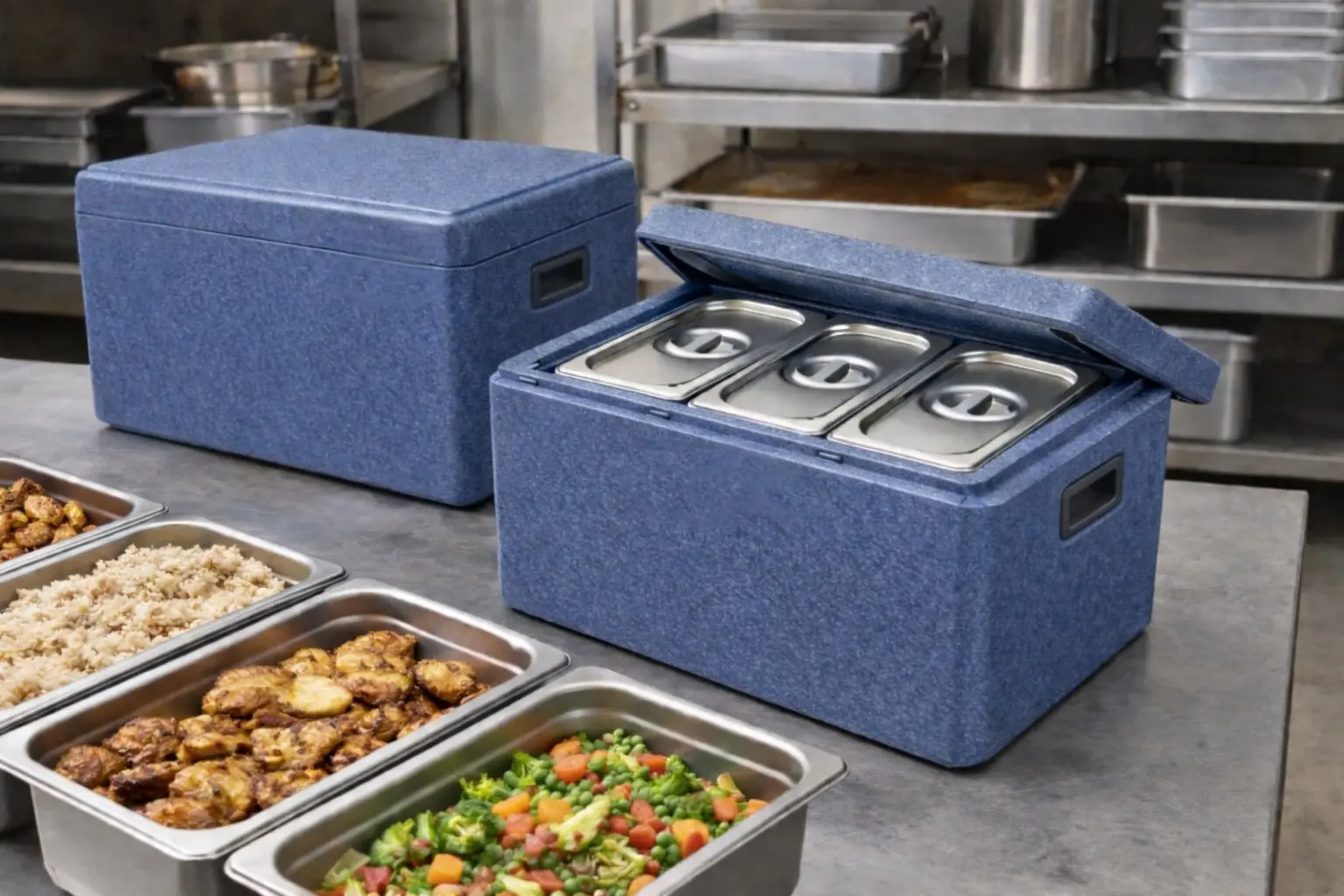
A well-designed Insulated Food Container uses insulating materials to slow heat transfer between the contents and the surrounding environment. Depending on its construction, it may help keep food warm or reduce the rate at which chilled food warms up. The results vary with the container design, starting temperature, food quantity, ambient conditions, and how often the lid is opened.
1. Makes Packed Meals More Convenient
One of the main benefits of an insulated food container is that it makes it easier to carry meals beyond the home. Office workers can pack lunch before leaving, students can bring food to school, and travelers can prepare snacks for a journey.
A container with a suitable capacity can hold an individual meal without requiring several separate packages. This can make daily meal preparation more organized and reduce reliance on buying food while away from home.
Before selecting a size, consider the typical meal portions and whether the container needs room for side dishes or separate compartments.
2. Helps Retain Heat in Warm Meals
Some insulated food containers are designed to help maintain the warmth of freshly prepared meals. Their insulating walls slow the rate at which heat escapes into the surrounding air.
Preheating the container, where the manufacturer recommends it, may help improve heat retention. Food should be placed inside at an appropriate temperature, and the lid should be secured promptly.
The container does not actively heat food. Its ability to maintain warmth depends on its design and how long the food remains inside. For meals that require strict temperature control, users should follow applicable food safety guidance rather than relying on insulation alone.
3. Helps Keep Chilled Food Cooler
Insulation can also slow the warming of cold foods. This can be useful for carrying yogurt, fruit, salads, chilled snacks, and other items that are best kept cool.
For perishable foods, an insulated container may need to be used with suitable cooling packs. The quantity and placement should be appropriate for the food and the expected storage period.
Food safety remains important. Chilled meals should not be left at room temperature for extended periods, and users should follow recognized guidance for safe storage and transport.
4. Supports Meal Planning and Portion Control
Carrying food from home can make meal planning easier. People can decide what they want to eat in advance, prepare suitable portions, and pack meals according to their daily schedule.
An insulated container can be part of this routine because it provides a dedicated space for a prepared meal. Some designs include multiple compartments, which help keep different ingredients separate until mealtime.
This can be particularly useful for meals containing sauces, grains, vegetables, or other components that are best stored apart.
5. Offers a Reusable Alternative to Disposable Packaging
A durable insulated container can be used repeatedly when maintained correctly. This may reduce the need for some single-use food packaging, especially for people who regularly bring meals from home.
Reusable equipment also gives users more control over the size and arrangement of their food packages. However, long-term usefulness depends on material quality, cleaning requirements, and careful handling.
The container should be washed according to its manufacturer’s instructions. Lids, seals, and removable compartments may require separate attention to prevent food residue from collecting.
6. Useful for Different Everyday Situations
Insulated food containers are suitable for a variety of routines. A commuter might use one for breakfast, a student may pack a midday meal, and a family could bring snacks on a road trip.
They can also be useful during outdoor activities where access to kitchen facilities is limited. The most practical design depends on how far the container needs to travel, how much food it must hold, and whether the contents should remain warm or cool.
For longer trips, users should plan additional temperature-control measures where necessary rather than assuming that an insulated container will maintain safe conditions indefinitely.
7. What to Check Before Buying
Compare these features before making a purchase:
- Capacity: Choose a size that matches typical meal portions.
- Insulation: Review the construction and stated temperature-retention performance.
- Lid design: A secure closure helps prevent leaks and unnecessary heat exchange.
- Portability: Consider weight, shape, and ease of carrying.
- Cleaning: Look for accessible surfaces and removable components where useful.
- Durability: Check materials, seals, and resistance to everyday handling.
It is also worth considering whether the container fits inside a work bag, lunch bag, or vehicle storage area.
Conclusion
An insulated food container can make everyday meal storage and transportation more convenient by slowing heat transfer and providing a reusable space for prepared food. It supports packed lunches, meal planning, travel, and outdoor routines when selected according to the user’s needs. Correct packing, safe temperature management, and regular cleaning help ensure that the container remains practical for daily use.