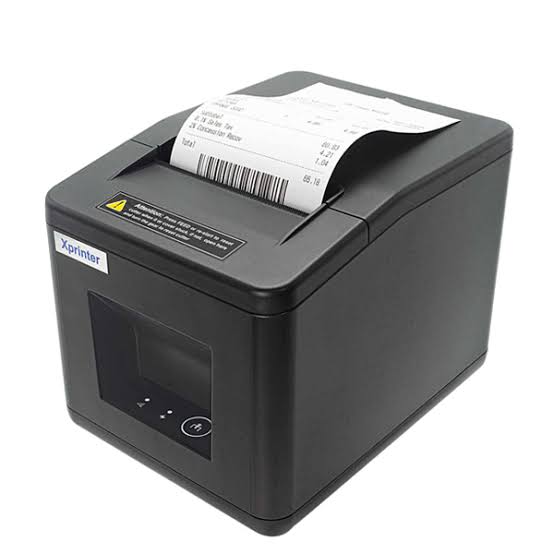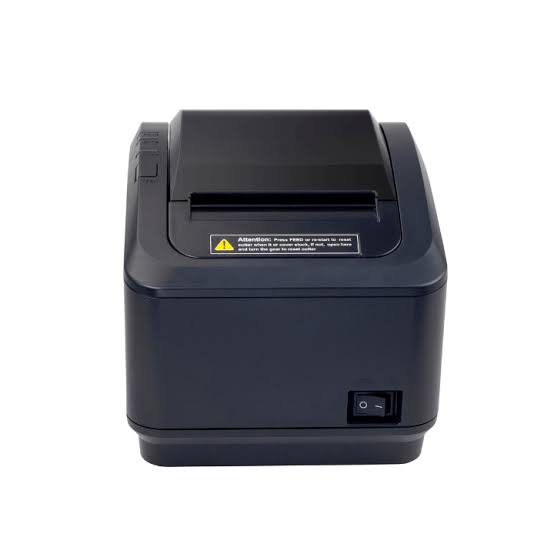
Thermal printers play an important role in modern commercial and industrial operations. They are widely used for printing receipts, product labels, shipping information, barcodes, tickets, and other essential documents. Behind every reliable printing device is a manufacturing process that combines product design, engineering, component selection, assembly, and quality testing.
Understanding how thermal printers are manufactured helps businesses make better purchasing decisions and evaluate the technical capabilities of potential suppliers. A professional Thermal Printer Manufacturer must coordinate several production stages to ensure that each device delivers consistent printing performance, dependable operation, and compatibility with different business applications.
1. Product Research and Requirement Analysis
The manufacturing process begins with identifying market requirements and defining the purpose of the printer. Different industries have different expectations regarding printing speed, resolution, connectivity, durability, and operating conditions.
For example, a receipt printer designed for retail counters may require compact dimensions and fast printing. An industrial label printer, on the other hand, may need stronger mechanical components and the ability to operate during extended production shifts.
During this stage, manufacturers research customer requirements, analyze competing products, and identify important technical specifications.
The initial planning process generally considers:
- Intended applications and target industries.
- Expected daily printing volume.
- Required print resolution and speed.
- Supported paper and label sizes.
- Connectivity and software compatibility.
- Product dimensions and operating environment.
These requirements establish the foundation for the product’s design and engineering.
2. Industrial Design and Product Development
Once the requirements are established, the design team develops the printer’s physical structure and internal layout. This stage focuses on creating a device that combines practical functionality, efficient operation, and convenient maintenance.
Industrial designers consider the printer’s external appearance, control buttons, paper-loading mechanism, housing structure, and accessibility of important components.
Ergonomics also matters. For example, desktop printers should allow users to replace paper rolls easily, while portable models need compact structures that are convenient to carry.
Computer-aided design (CAD) software is commonly used to develop detailed product models. These designs help engineering teams examine component placement, dimensions, assembly requirements, and potential structural problems before manufacturing begins.
3. Engineering and Technical Development
After the initial design is completed, engineers work on the printer’s electronic and mechanical systems. This stage determines how the device processes printing commands, controls heat, moves printing materials, and communicates with connected equipment.
A thermal printer typically includes several essential components:
Printhead
The thermal printhead contains small heating elements that generate heat to create text, images, or barcodes. Its performance directly influences printing resolution, accuracy, and consistency.
Main Control Board
The control board processes incoming data and manages different printer functions. It coordinates communication between the device’s electronic components and controls printing operations.
Paper Feeding Mechanism
This system moves paper or labels through the printer. Rollers, motors, and related mechanical components must work together to maintain accurate material positioning.
Sensors
Sensors help detect paper presence, cover position, label gaps, and other operating conditions. They support accurate printing and help prevent common errors.
Power Supply
The power system provides the electrical energy required by the printhead, motors, and electronic components. Stable power delivery is essential for reliable operation.
Engineering teams evaluate how these components interact to create an efficient and dependable printing system.
4. Selection of Raw Materials and Components
Component selection has a significant influence on the quality, durability, and cost of a thermal printer. Manufacturers must identify materials that meet the product’s technical requirements while remaining suitable for the intended production volume.
The external housing may use engineered plastics or other materials selected for strength, weight, and heat resistance. Internal components must also meet the required mechanical and electrical performance standards.
Important components typically include:
- Thermal printheads and control boards.
- Motors and paper-feeding rollers.
- Plastic housings and structural parts.
- Electronic connectors and wiring.
- Sensors and interface modules.
- Power adapters and related accessories.
Reliable sourcing practices help manufacturers maintain component availability and reduce the risk of inconsistent product quality.
5. Prototype Development and Testing
Before large-scale production begins, manufacturers commonly develop prototypes to evaluate the design and identify technical issues.
A prototype represents an early version of the intended product. Engineers use it to examine printing performance, component compatibility, mechanical stability, and user experience.
Testing may include printing different types of text and graphics, checking barcode readability, evaluating paper feeding, and examining connectivity with computers or point-of-sale systems.
If problems are identified, the design team can make adjustments before finalizing the product. This development stage helps reduce production errors and ensures that the printer meets its intended specifications.
6. Software and Firmware Development
Modern thermal printers depend on software and firmware to process printing commands and communicate with external devices. Hardware alone cannot provide a complete printing solution without suitable control systems.
Firmware manages essential operations such as printhead heating, paper feeding, error detection, and communication between internal components.
Manufacturers may also support different printer command languages and operating systems to improve compatibility with business applications.
Software development can involve:
- Printer driver development.
- USB, Ethernet, Bluetooth, or Wi-Fi communication.
- Printing command interpretation.
- Device configuration and management.
- Firmware updates and error reporting.
- Integration with POS and inventory systems.
Proper software testing helps ensure that the printer works consistently with the equipment and applications used by customers.
7. Manufacturing Individual Components
After product development and testing, the manufacturing process moves toward producing individual components in larger quantities.
Different production methods are used depending on the type of part. Plastic housings may be manufactured through injection molding, while electronic boards are produced through specialized electronic assembly processes.
Mechanical components are manufactured or sourced according to established dimensions and technical requirements.
At this stage, production teams must maintain accurate measurements and consistent specifications. Even small differences in component dimensions can affect assembly accuracy or printing performance.
Incoming material inspections help identify defective components before they enter the main assembly process.
8. Printer Assembly and Integration
Assembly brings together the mechanical, electronic, and structural components to create a complete thermal printer.
Production technicians install the control board, printhead, rollers, sensors, motors, and other internal parts according to the approved assembly design.
The external housing is then fitted, and the necessary connections are completed.
During assembly, manufacturers must pay attention to component positioning, wiring arrangements, mechanical alignment, and fastening accuracy.
Each component must function correctly with the others. For example, the printhead and paper-feeding mechanism need proper alignment to maintain consistent image quality.
Standardized assembly procedures help reduce variation between individual units.
9. Quality Inspection and Performance Testing
Quality control is one of the most important stages in thermal printer manufacturing. Before finished products are approved for shipment, they should undergo inspections to confirm that they meet established performance and safety requirements.
Testing procedures vary according to product type, but commonly include several areas.
Printing quality testing: Evaluates text clarity, barcode accuracy, image consistency, and print alignment.
Mechanical testing: Checks paper feeding, roller movement, cutting mechanisms, and other moving components.
Connectivity testing: Confirms that supported communication interfaces work correctly.
Functional testing: Examines buttons, sensors, indicators, and other operating features.
Stability testing: Evaluates whether the printer performs consistently under its intended operating conditions.
Manufacturers may also conduct sampling inspections, environmental tests, and additional compliance assessments depending on product specifications and market requirements.
These procedures help identify problems before finished printers reach customers.
10. Packaging and Product Preparation
After passing quality inspections, thermal printers are prepared for packaging and shipment. Proper packaging protects the equipment from damage during storage, transportation, and handling.
A standard package may include the printer, power adapter, connection cables, user documentation, installation instructions, and other required accessories.
Manufacturers may also provide customized packaging for OEM and private-label orders.
Product labeling, serial numbers, and identification information are checked to ensure that the correct items are prepared for delivery.
For international shipments, packaging must also account for transportation requirements and relevant market regulations.
11. Distribution and After-Sales Support
The manufacturing process does not end when products leave the factory. Distribution and after-sales services are important parts of delivering a complete printing solution.
Manufacturers coordinate with logistics providers, distributors, and business customers to ensure that orders reach their destinations according to agreed schedules.
After delivery, customers may require installation guidance, software support, troubleshooting, replacement components, or warranty assistance.
A well-organized support system helps businesses maintain their printers and resolve operational problems efficiently.
Manufacturers that provide clear documentation and accessible technical assistance can contribute to a better product ownership experience.
The Role of Customization in Thermal Printer Manufacturing
Different businesses may require printers with specialized designs or technical configurations. Customization allows manufacturers to adapt products according to particular customer requirements.
OEM and ODM services are two common approaches.
OEM production generally involves manufacturing products according to customer-provided specifications and branding requirements. ODM services may include product design, engineering, and development.
Common customization options include:
- Customized product colors and external designs.
- Private-label branding and packaging.
- Different connectivity configurations.
- Firmware and software modifications.
- Specialized printing widths and performance specifications.
- Industry-specific product configurations.
Businesses should discuss customization requirements during the early development stage because significant changes can influence production costs, testing procedures, and delivery schedules.
How Manufacturing Technology Is Improving Thermal Printers
Advancements in manufacturing technology continue to influence thermal printer design and production. Improved electronic components, more precise assembly methods, and advanced testing equipment help manufacturers develop more consistent products.
Automation can support repetitive production activities, while digital inspection systems help identify manufacturing defects. Better firmware and connectivity technologies also allow modern printers to integrate more effectively with business management systems.
Energy efficiency, compact product designs, and improved component durability are additional areas receiving attention.
As industries increasingly depend on automated labeling and transaction systems, manufacturers will continue to improve printing technology to meet changing operational requirements.
Conclusion
The thermal printer manufacturing process involves multiple stages, beginning with market research and product design and continuing through engineering, component production, assembly, testing, packaging, and distribution.
Each stage contributes to the performance, reliability, and overall quality of the finished device. Careful material selection, accurate engineering, software compatibility, and structured quality control are particularly important for producing dependable thermal printing equipment.
For businesses evaluating potential suppliers, understanding this process provides useful insight into a manufacturer’s technical capabilities and production standards. Looking beyond the final product and examining how it is designed, developed, and tested can help companies make informed purchasing decisions and establish reliable manufacturing partnerships.