Soil pH is one of the most important factors affecting crop growth and yield. It influences nutrient availability, microbial activity, and overall soil health. Maintaining the correct pH range for specific crops ensures optimal nutrient uptake, improves plant health, and enhances agricultural productivity. Traditional soil testing methods involve laboratory analysis, which can be time-consuming and may not provide immediate feedback for field management decisions.
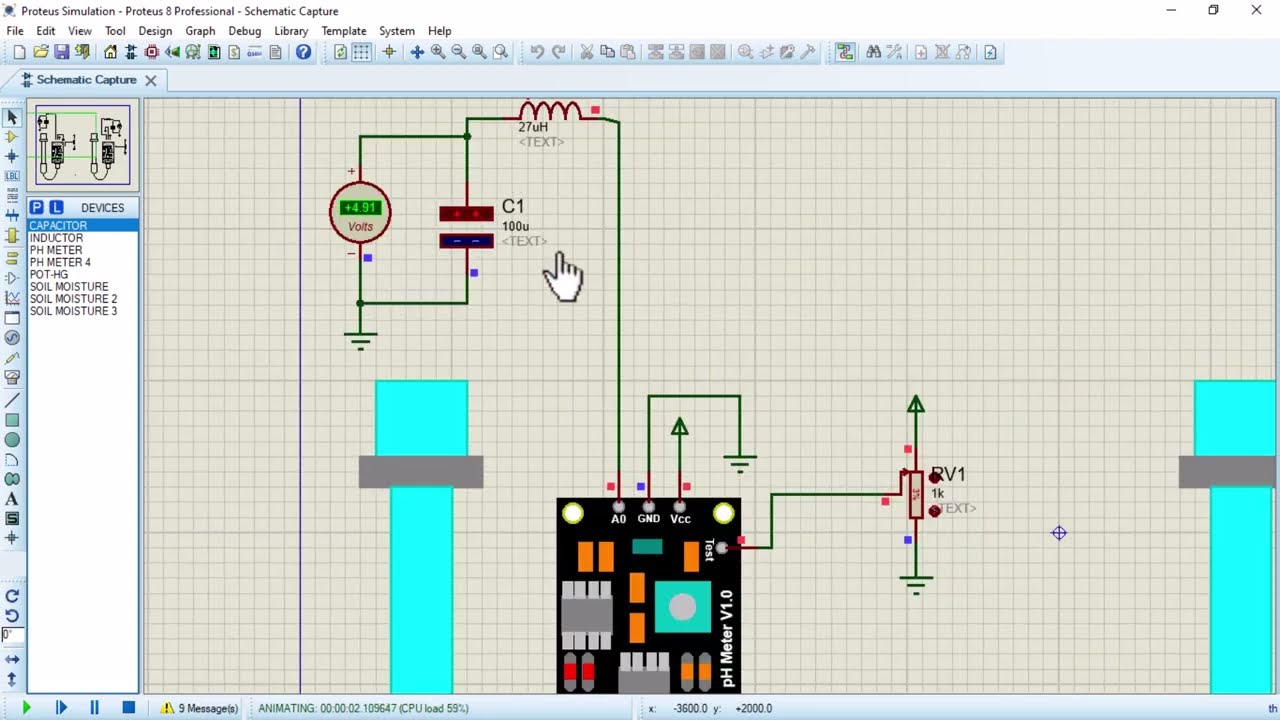
A more efficient and precise method for soil pH monitoring is the pH sensor. These sensors measure the hydrogen ion concentration in soil moisture, providing accurate readings of soil acidity or alkalinity. By using pH sensors, farmers can obtain real-time data directly in the field, allowing for timely interventions to adjust soil conditions for optimal crop performance.
Importance of Soil pH in Agriculture
Soil pH affects nutrient solubility and microbial activity, which in turn impact plant growth. For instance, certain nutrients like phosphorus, nitrogen, and potassium are more available to plants within specific pH ranges. Soils that are too acidic or too alkaline can limit nutrient uptake, leading to deficiencies or toxicities that negatively affect crop yields. Regular monitoring helps farmers maintain the ideal pH for different crops, promoting healthier plants and improved production.
Moreover, soil pH influences the activity of beneficial microorganisms that support nutrient cycling and organic matter decomposition. Proper pH management enhances soil fertility, ensuring a sustainable and productive agricultural ecosystem.
Types of pH Sensors for Soil Testing
Various types of pH sensors are used for soil testing, depending on accuracy requirements and soil conditions. Glass electrode sensors are commonly employed for laboratory-based measurements due to their high precision. They are suitable for testing soil extracts or prepared samples, providing reliable baseline data for agricultural planning.
Solid-state sensors and ISFET (Ion-Sensitive Field-Effect Transistor) sensors are increasingly used for field applications. These sensors are durable, resistant to mechanical stress, and capable of delivering rapid readings in variable soil conditions. Their ability to provide continuous monitoring makes them ideal for precision agriculture and large-scale farming operations.
Integration into Modern Farming Practices
Modern agricultural systems are increasingly adopting technology-driven solutions such as automated irrigation and fertilization systems. Integrating pH sensors into these systems allows farmers to make data-driven decisions. Sensors can provide real-time information about soil conditions, enabling precise application of lime, fertilizers, or other amendments to maintain optimal pH.
Data collected from pH sensors can also be integrated with farm management software. This allows for trend analysis, predictive modeling, and improved crop planning. Remote monitoring capabilities enable farmers to track soil pH across multiple fields, reducing labor and improving efficiency.
Benefits of Using pH Sensors in Agriculture
The use of pH sensors in agriculture offers multiple advantages. They provide accurate and timely information, helping farmers maintain soil within the desired pH range. This supports nutrient uptake, enhances crop health, and maximizes yields. Real-time monitoring also reduces the risk of over- or under-application of soil amendments, promoting sustainable farming practices and minimizing environmental impact.
Additionally, sensors help detect soil variations within a field, allowing for precision agriculture practices. Farmers can address specific problem areas rather than treating the entire field uniformly, optimizing resource use and improving overall productivity.
Best Practices for Soil pH Monitoring
To ensure reliable results, pH sensors should be calibrated regularly using standard buffer solutions. Proper cleaning and maintenance prevent contamination and extend sensor life. Selecting sensors suitable for specific soil types, moisture content, and temperature conditions enhances performance and durability.
Correct sensor placement in the soil is also crucial for accurate readings. Ensuring consistent depth and adequate soil moisture around the sensor will provide representative measurements of field conditions. Combining sensor data with traditional soil testing can further improve decision-making for soil management.
Conclusion
Using pH sensors for soil testing is a transformative approach in modern agriculture. These sensors provide accurate, real-time monitoring of soil acidity and alkalinity, enabling farmers to optimize nutrient management, enhance crop health, and increase productivity. Integration with automated systems and data analysis tools further supports precision farming practices, ensuring sustainable and efficient use of resources. Proper calibration, maintenance, and placement of sensors are essential for obtaining reliable results, making pH monitoring a cornerstone of successful agricultural management.