

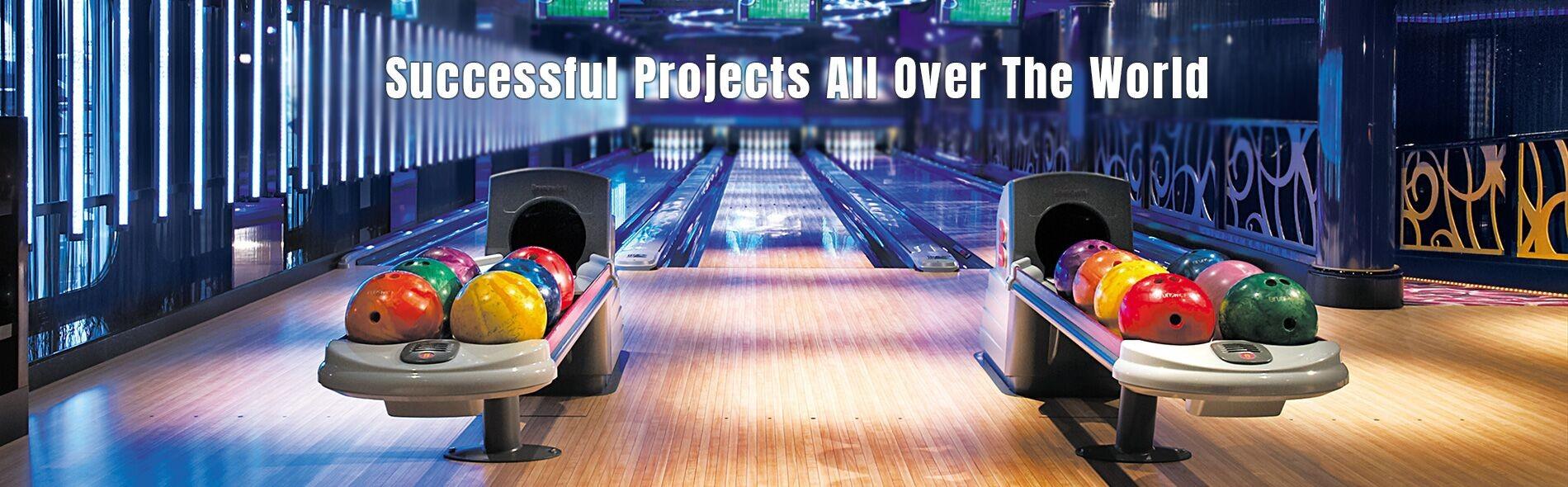
Bowling centers rely on many different equipment systems to keep lanes operating smoothly. When planning a new facility, renovation, or equipment replacement project, buyers may encounter a wide range of pre-owned components with different ages, designs, and maintenance requirements.
Understanding the main categories of Used Bowling Alley Equipment can help buyers identify what each system does and determine which components may fit their facility.
Used Pinsetters
Pinsetters are among the most important pieces of bowling equipment. They manage the pins after a bowling delivery and prepare the lane for the next cycle.
Used pinsetters can vary significantly in mechanical design, age, control technology, and maintenance requirements. Buyers should inspect motors, mechanical assemblies, sensors, controls, and safety components before purchase.
Used String Pinsetters
String pinsetters use strings connected to bowling pins to control their movement. These systems have a different mechanical arrangement from traditional pinsetting equipment.
When purchasing a used string system, inspect strings, pin connections, pulleys, guides, motors, control components, and mounting structures. Compatibility with the existing lane configuration should also be confirmed.
Used Bowling Lanes
Bowling lanes themselves can sometimes be reused or purchased from previous installations. Their condition can vary based on age, construction, maintenance, and operating intensity.
Inspect the lane surface, boards, approaches, gutters, pin deck area, and underlying structure. Measurements should also be compared with the requirements of the intended facility.
Used Ball Returns
Ball return systems transport bowling balls from the end of the lane back toward the player area. These systems contain mechanical and electrical components that can experience repeated use.
Inspect motors, belts, rollers, tracks, covers, switches, and other moving parts. Verify that the ball return dimensions and configuration are suitable for the facility.
Used Scoring Equipment
Electronic scoring equipment can include monitors, control units, computers, communication hardware, and related accessories.
Technology changes quickly, so buyers should check whether older scoring systems remain compatible with current operating software and lane equipment.
Used Bowling Pins
Pins are consumable equipment and can show visible signs of repeated use. Surface damage, chips, cracks, discoloration, and general wear should be checked before purchasing used sets.
Buyers should also verify that the pins meet the specifications required for the intended bowling operation.
Used Bowling Balls
Pre-owned bowling balls can be useful for rental fleets, training areas, or customer use. Their condition can vary considerably depending on previous usage.
Inspect the surfaces for cracks, deep damage, excessive wear, and other defects. Weight and size should also be appropriate for the intended users.
Used Pinsetter Controls
Control systems coordinate different equipment functions. Older control units may contain electronic components that are difficult to replace or integrate with newer systems.
Before purchasing used controls, confirm compatibility, documentation, repair options, and replacement-part availability.
Used Sensors and Electrical Components
Sensors, switches, wiring, connectors, and other electrical components can be found in many types of bowling equipment.
These components should be inspected carefully for corrosion, damaged wiring, previous modifications, and signs of overheating. Qualified technicians should perform specialized electrical testing where necessary.
Used Lane Furniture and Accessories
Bowling center renovations may also involve pre-owned seating, tables, ball racks, scoring consoles, shoe storage, and other accessories.
Although these items may not directly affect lane operation, their condition, dimensions, appearance, and compatibility with the facility should still be evaluated.
Used Masking and Lane-End Equipment
Masking units and other lane-end components can affect the appearance and functional layout of a bowling center.
Inspect structural condition, mounting points, finishes, electrical features, and dimensions before purchasing these items for a renovation or new installation.
Used Maintenance Equipment
Bowling centers may also use specialized tools and equipment for cleaning, servicing, and maintaining lanes and machinery.
Before purchasing pre-owned maintenance equipment, check its operating condition, calibration requirements, replacement parts, and suitability for the facility’s maintenance program.
How to Evaluate Different Equipment Types
Each category requires a slightly different inspection approach. However, several general questions apply to almost all used bowling equipment:
- How old is the equipment?
- How heavily was it used?
- Is maintenance documentation available?
- Are replacement parts still available?
- Does it fit the intended facility?
- Is technical support available?
- What refurbishment is required?
- Are safety components intact?
- How much will transportation and installation cost?
Answering these questions can help buyers compare equipment more systematically.
Compatibility Is Especially Important
Buying individual used components from different facilities can create compatibility challenges. Pinsetters, scoring systems, ball returns, electrical controls, and lane components may have been designed to work within specific configurations.
Before purchasing multiple used systems, verify that they can operate together and that the complete installation meets the requirements of the facility.
Consider Equipment Age as a Group
When assembling several used components, consider their ages collectively. Combining very old controls with newer mechanical equipment, for example, may create service or compatibility issues.
A consistent equipment configuration can sometimes make maintenance and staff training easier, depending on the project requirements.
Review Documentation and Service History
Documentation can make a significant difference when working with used equipment. Manuals, wiring diagrams, parts lists, maintenance records, and previous service reports can help technicians understand the system.
Equipment with limited documentation may require additional research or specialist support.
Estimate Refurbishment Requirements
Different equipment categories can require different types of refurbishment. Mechanical equipment may need bearings, belts, strings, or motors, while electronic systems may require control boards, sensors, or software-related updates.
Estimate these costs before purchase rather than treating refurbishment as an unexpected expense after delivery.
Plan Installation Carefully
Used equipment may have to be dismantled at one facility and installed at another. Dimensions, mounting arrangements, electrical connections, and service clearances should be verified in advance.
Professional installation can also help ensure that equipment is properly aligned, connected, and tested before customer use.
Conclusion
Used bowling alley equipment includes many different categories, from pinsetters and string systems to lanes, ball returns, scoring equipment, pins, controls, and facility accessories. Each type has its own condition, compatibility, maintenance, and installation considerations.
Understanding these differences helps buyers inspect equipment more effectively and estimate the complete cost of bringing pre-owned components into service. A detailed evaluation of each system can also reduce compatibility problems and unexpected refurbishment requirements during installation.


