Custom metal badges have long been used for identification, branding, recognition, and promotional purposes. Over the years, advancements in manufacturing techniques, materials, and design tools have influenced the way badges are created, resulting in a variety of styles and features that reflect current trends. Today, custom metal badges are not just functional items—they are fashion statements, branding tools, and collectible pieces that communicate identity and prestige. Staying informed about design trends helps organizations and individuals create badges that are both modern and effective.
Modern custom metal badges are moving beyond traditional shapes and finishes to incorporate innovative design elements, vibrant colors, and intricate details. Many organizations now rely on custom metal badges to reflect their unique identity or to make a memorable impression at events. These badges are being designed with personalization, creativity, and aesthetics in mind, ensuring they meet both functional and visual requirements. Current trends show that badges are increasingly being treated as wearable art or branding statements rather than simple identification tools.
Unique Shapes and Custom Outlines
One of the most prominent trends in badge design is the use of unique shapes and custom outlines. While circles, rectangles, shields, and ovals remain popular, designers now create badges that follow the contours of logos, mascots, or symbolic elements. This approach adds a distinctive flair and ensures that the badge stands out, particularly in corporate settings, conventions, or collector markets. Custom-shaped badges allow organizations to reinforce their brand identity and create a more memorable visual impact.
Three-Dimensional and Layered Designs
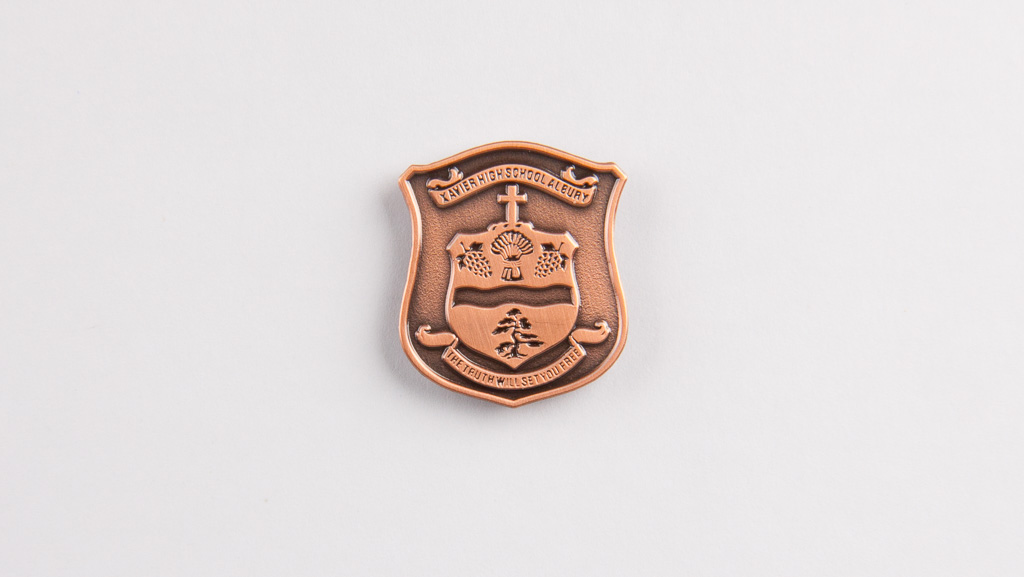
Another trend gaining popularity is the use of three-dimensional and layered designs. Advances in die casting, engraving, and embossing allow for badges with depth, sculpted surfaces, and multiple layers. These badges feature raised and recessed elements that create texture and enhance visual interest. Three-dimensional designs are especially popular for recognition awards, commemorative badges, and military or security insignia, where detail and craftsmanship are highly valued.
Vibrant Enamel and Color Techniques
Color is increasingly important in custom metal badge design. Vibrant enamel fills, both soft and hard, are being used to highlight logos, text, and decorative elements. Soft enamel offers a textured look with raised metal outlines, while hard enamel provides a polished, glossy finish. Some designers are experimenting with gradient effects, dual-tone colors, and multi-color layering to produce more dynamic and eye-catching badges. Incorporating bold and accurate colors helps organizations maintain brand consistency while creating badges that are visually appealing.
Mixed Metal and Plating Effects
Combining different metals and plating finishes is another growing trend in badge design. Mixing gold, silver, nickel, chrome, and antique finishes creates contrast and adds a premium feel to the badge. Dual-tone or multi-plated badges emphasize specific design elements, enhancing readability and aesthetic appeal. Antique or brushed finishes are popular for creating a vintage or classic look, while polished chrome and gold finishes provide a modern and luxurious appearance.
Minimalist and Clean Designs
Alongside bold and intricate designs, there is also a trend toward minimalism. Minimalist badges focus on clean lines, simple shapes, and subtle textures. This style is particularly popular in corporate and professional settings where the emphasis is on elegance and clarity rather than excessive decoration. Minimalist badges can be combined with selective color accents or metallic finishes to create a refined and timeless look.
Customization and Personalization
Personalization remains a key trend in custom metal badges. Many organizations now include employee names, ranks, or serial numbers as part of the design. Limited-edition or commemorative badges often incorporate date stamps or event-specific engravings, giving recipients a sense of exclusivity. The ability to personalize each badge adds sentimental and professional value, making it a meaningful keepsake as well as a functional item.
Eco-Friendly and Sustainable Options
Sustainability is also becoming a consideration in badge production. Manufacturers are exploring eco-friendly materials, recyclable metals, and low-impact finishing techniques. Organizations that prioritize environmental responsibility are increasingly choosing production methods that minimize waste and reduce the use of harmful chemicals, aligning badge design with broader corporate sustainability goals.
Integration with Technology
Technology integration is emerging as a niche trend in modern badge design. Some badges now include QR codes, NFC chips, or other digital elements embedded in the metal. These smart badges allow for digital verification, event check-ins, or information sharing while retaining the traditional aesthetic of a metal badge. This combination of functionality and style is particularly relevant for corporate events, trade shows, and security applications.
Conclusion
Custom metal badge design is evolving rapidly, blending traditional craftsmanship with modern aesthetics, technology, and sustainability. Trends such as unique shapes, three-dimensional designs, vibrant colors, mixed metals, minimalist styles, personalization, and eco-friendly production are shaping the way organizations approach badge creation. By keeping these trends in mind, businesses and institutions can produce badges that are not only functional but also visually striking, memorable, and aligned with contemporary design standards. Custom metal badges continue to serve as powerful tools for identity, recognition, and branding in a dynamic and creative market.