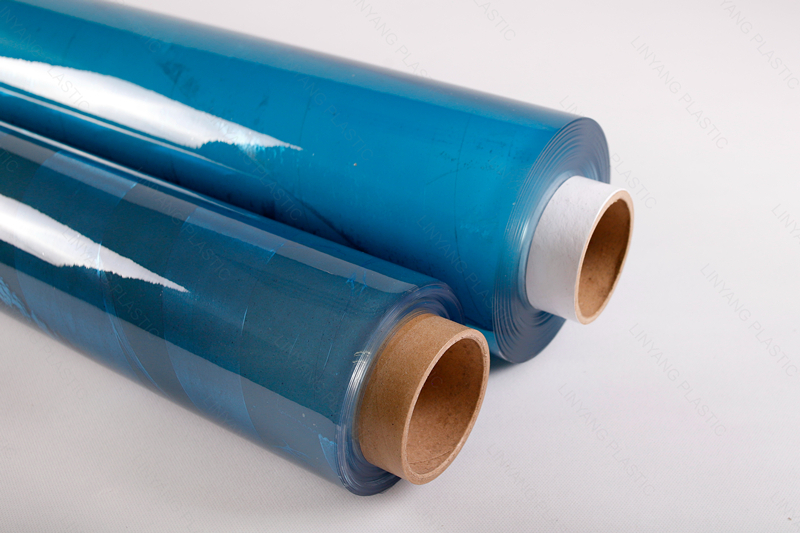
PVC film is a versatile plastic material used across packaging, construction, healthcare, advertising, furniture, and many other industries. Its popularity comes from its flexibility, durability, moisture resistance, and ability to be manufactured in different thicknesses, colors, and finishes. Depending on its formulation and production method, PVC film can serve applications ranging from flexible protective coverings to decorative surfaces and industrial components.
Choosing the right supplier is essential because product quality directly affects performance, processing efficiency, and service life. Businesses evaluating PVC Film Suppliers should understand the material’s specifications, manufacturing processes, quality standards, and intended applications. This knowledge helps buyers compare products accurately and select materials that meet their technical and commercial requirements.
What Is PVC Film?
PVC film is a thin sheet of polyvinyl chloride produced through specialized processing methods. It can be manufactured as flexible or rigid material depending on its formulation and intended use.
Flexible PVC film typically contains plasticizers that improve softness and flexibility. Rigid PVC film contains little or no plasticizer and is designed to provide greater stiffness and dimensional stability.
PVC film is available in several forms, including:
- Transparent and translucent film.
- Colored and printed film.
- Glossy and matte finishes.
- Flexible industrial film.
- Rigid protective film.
- Embossed and textured film.
The appropriate type depends on the required physical properties and the environment in which the material will be used.
Key Factors That Determine PVC Film Quality
Not all PVC films offer the same performance. Differences in raw materials, formulation, processing conditions, and quality control can influence the final product.
Buyers should evaluate several important characteristics before placing an order.
1. Raw Material Quality
The quality of PVC resin and other formulation ingredients plays a major role in determining the performance of the finished film.
Manufacturers may combine PVC resin with plasticizers, stabilizers, pigments, lubricants, and other additives to achieve specific properties.
Each ingredient serves a particular purpose.
- PVC resin: Forms the primary polymer structure.
- Plasticizers: Improve flexibility and softness in flexible PVC film.
- Stabilizers: Help protect the material during processing and use.
- Pigments: Provide color and opacity.
- Lubricants: Support smooth processing and manufacturing.
- Special additives: May provide UV resistance, flame-retardant properties, or other application-specific characteristics.
Consistent raw material selection helps manufacturers maintain predictable product quality between production batches.
2. Film Thickness and Uniformity
Thickness is one of the most important specifications when purchasing PVC film.
Different applications require different thickness levels. Packaging may require thin, flexible film, while industrial or protective applications may need thicker material.
However, the average thickness alone does not determine quality. Uniformity across the entire roll is equally important.
Inconsistent thickness can cause problems during cutting, printing, sealing, laminating, or other processing operations.
Buyers should check:
- Nominal film thickness.
- Permitted thickness tolerance.
- Thickness variation across the width.
- Roll length and width.
- Consistency between production batches.
Requesting technical specifications and inspecting samples can help confirm whether a product meets the required tolerances.
3. Tensile Strength and Elongation
Tensile strength measures the maximum pulling stress a material can withstand before breaking.
Elongation describes how much the material stretches before reaching a specified point, such as breaking.
These properties are especially important for flexible PVC films used in applications involving stretching, folding, handling, or mechanical stress.
A suitable balance between strength and flexibility helps the film perform reliably without becoming excessively brittle or difficult to process.
Testing should be conducted using an appropriate method, such as ASTM D882 for thin plastic sheeting.
4. Transparency and Surface Appearance
For applications such as packaging, protective covers, and display materials, transparency and visual appearance may be essential.
High-quality transparent PVC film should have consistent clarity and a smooth surface.
Potential defects include:
- Haze or unwanted cloudiness.
- Air bubbles.
- Scratches.
- Surface contamination.
- Uneven coloration.
- Visible processing marks.
For colored or printed films, buyers should also evaluate color consistency, surface finish, and compatibility with the intended printing process.
5. Flexibility and Temperature Performance
Flexible PVC film should maintain suitable handling characteristics under the temperatures expected during storage and use.
Some formulations may become stiff at low temperatures, while excessive heat can affect dimensional stability and surface properties.
The required temperature performance depends on the application.
For example, films used in cold storage environments may need a formulation designed to retain flexibility at lower temperatures. Industrial applications involving heat exposure may require additional thermal stability.
Buyers should communicate the expected operating conditions to the supplier before selecting a product.
6. Chemical and Environmental Resistance
PVC film can offer useful resistance to moisture and many common environmental conditions.
However, its resistance to specific chemicals depends on the formulation, concentration, exposure time, and temperature.
Businesses using PVC film in industrial environments should identify any expected contact with oils, cleaning agents, solvents, or other chemicals.
For outdoor applications, UV exposure and weathering should also be considered.
Suppliers should provide relevant technical information or test results rather than making broad claims about resistance to every chemical or environmental condition.
7. Surface Finish and Processing Compatibility
PVC film is available with different surface finishes to meet functional and aesthetic requirements.
Common finishes include:
- Glossy surfaces for visual appeal.
- Matte surfaces to reduce reflections.
- Embossed textures for decorative or functional purposes.
- Printed surfaces for branding and product identification.
- Coated surfaces for specialized performance requirements.
Processing compatibility is equally important. Buyers should confirm whether the film is suitable for printing, heat sealing, lamination, thermoforming, or other manufacturing operations.
A sample trial can help identify processing issues before a large order is approved.
Common Types of PVC Film
Understanding the available product categories helps buyers choose suitable materials for different applications.
Flexible PVC Film
Flexible PVC film is designed for applications requiring softness, bending, and adaptability.
It is commonly used in protective coverings, flexible packaging, upholstery, and industrial products.
Rigid PVC Film
Rigid PVC film provides greater stiffness and dimensional stability.
It is used in packaging, protective panels, display materials, and certain industrial applications.
Transparent PVC Film
Transparent PVC film allows visibility while providing a physical barrier.
It is commonly used for protective windows, packaging, document covers, and display applications.
Colored PVC Film
Colored film is manufactured using pigments to achieve specific visual requirements.
It can be used in decorative products, signage, packaging, and interior applications.
Embossed PVC Film
Embossed film features a textured surface created during manufacturing.
The texture may improve appearance, provide a particular tactile effect, or support functional requirements.
Major Applications of PVC Film
PVC film is used across a wide range of industries because its properties can be adjusted for different purposes.
1. Packaging Industry
PVC film is used in certain packaging applications because of its clarity, formability, and ability to provide a protective covering.
Common uses include:
- Blister packaging.
- Product display packaging.
- Protective wrapping.
- Packaging components for consumer goods.
- Specialty packaging materials.
Buyers should consider product compatibility, sealing requirements, transparency, and applicable food-contact regulations where relevant.
2. Construction and Building Materials
In construction, PVC film may be used in protective coverings, decorative surfaces, and selected building components.
Its moisture resistance and flexibility make it useful for applications where a lightweight plastic layer is required.
Depending on the product specification, it may also be used in flooring-related materials, surface laminates, and protective sheets.
3. Furniture and Interior Decoration
PVC film is widely used in furniture and interior applications.
Decorative films can reproduce different colors, patterns, and surface textures.
Typical uses include:
- Furniture surface coverings.
- Cabinet finishes.
- Decorative panels.
- Interior wall coverings.
- Laminated decorative components.
Surface durability, color stability, and adhesion compatibility are important considerations for these applications.
4. Healthcare and Medical Applications
Specially formulated PVC films are used in certain healthcare products because they can provide flexibility, transparency, and effective barrier properties.
Potential applications include medical packaging and selected medical components.
However, products intended for medical use must meet the relevant regulatory, biocompatibility, and material safety requirements. Standard industrial PVC film should not automatically be considered suitable for medical applications.
5. Advertising and Printing
PVC film can be manufactured with surfaces suitable for printing and visual communication.
Depending on its construction, it may be used for signage, display materials, promotional graphics, and decorative applications.
Important specifications include printability, ink compatibility, color consistency, surface smoothness, and dimensional stability.
6. Industrial and Protective Applications
Industrial businesses use PVC film in selected protective and manufacturing applications.
It may serve as a covering, barrier, liner, or component in products requiring flexibility and moisture resistance.
The required thickness, mechanical strength, and chemical resistance should be determined according to the operating environment.
How to Evaluate PVC Film Suppliers
Selecting a suitable supplier requires more than comparing prices. Buyers should assess manufacturing capabilities, technical knowledge, quality management, and delivery reliability.
Manufacturing Experience
Review the supplier’s experience with the specific PVC film category you require.
A supplier familiar with flexible, rigid, transparent, or specialized films may be better equipped to understand application-specific requirements.
Product Range
Check whether the supplier offers the thicknesses, widths, colors, finishes, and formulations needed for your business.
A suitable product range can simplify purchasing when several film types are required.
Quality Control Procedures
Ask how raw materials are inspected and how production quality is monitored.
A reliable quality process should include checks for thickness, appearance, mechanical properties, and other relevant specifications.
Technical Documentation
Request product data sheets and applicable test reports.
These documents should provide measurable information about material properties rather than relying only on general descriptions.
Production Capacity
Confirm whether the supplier can handle your order quantity and maintain consistent output for repeat purchases.
Discuss minimum order quantities, production lead times, and the availability of customized specifications.
Samples and Testing
Request samples before approving a bulk order.
Where necessary, conduct independent testing to verify that the material meets your performance requirements.
Important Questions to Ask Before Placing an Order
A clear discussion with the supplier can prevent misunderstandings and reduce purchasing risks.
Consider asking:
- What PVC film types and formulations do you manufacture?
- What thicknesses and width options are available?
- What are the permitted thickness tolerances?
- Can you provide tensile strength and elongation test results?
- Is the film suitable for printing, sealing, or lamination?
- What quality inspections are performed during production?
- Can you provide samples before bulk manufacturing?
- What are the minimum order quantity and production lead time?
- Can you maintain consistent specifications for repeat orders?
- What packaging and shipping options are available?
The answers should be compared with your technical requirements and purchasing priorities.
Common Mistakes to Avoid When Buying PVC Film
Even experienced buyers can encounter problems when product requirements are not clearly defined.
Avoid these common mistakes:
- Selecting products based only on the lowest price.
- Ignoring thickness tolerances.
- Assuming all PVC formulations have identical properties.
- Overlooking processing compatibility.
- Failing to test samples.
- Not checking relevant regulatory requirements.
- Ordering large quantities without confirming production specifications.
- Neglecting packaging and storage conditions.
A detailed purchasing specification helps suppliers understand expectations and makes product comparisons more accurate.
Conclusion
PVC film is a versatile material with applications in packaging, construction, furniture, healthcare, advertising, and industrial manufacturing. Its performance depends on several factors, including raw material quality, thickness uniformity, tensile strength, flexibility, surface finish, and environmental resistance.
Choosing the right supplier requires a careful assessment of manufacturing experience, product specifications, quality control, production capacity, and technical support.
By defining application requirements, reviewing technical documentation, and testing samples before bulk purchasing, businesses can make informed sourcing decisions and select PVC film that delivers the required performance and consistency.