Portable telescopic conveyors have become essential equipment in modern warehouses, logistics centers, and distribution facilities. Their mobility and extendable design allow for flexible loading and unloading operations, making them ideal for high-volume material-handling tasks. However, to maintain optimal performance and longevity, regular maintenance is critical. Proper care ensures efficiency, prevents downtime, and extends the operational life of the system.
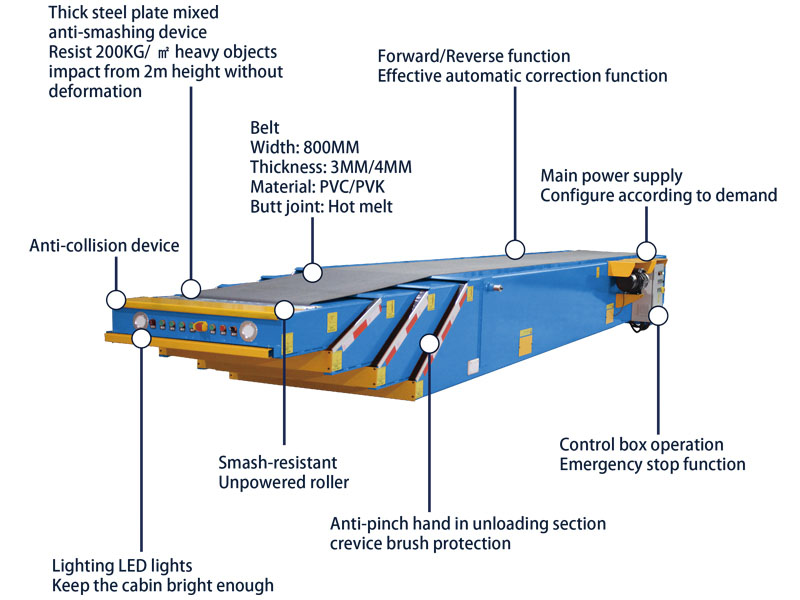
A portable telescopic conveyor consists of multiple telescopic sections, a motorized belt, and durable support structures. These components work together to deliver smooth, efficient transport of goods. Because of the moving parts and high operational demands, failure to maintain the system can result in belt misalignment, motor strain, or mechanical wear. This maintenance guide provides practical steps and best practices to keep portable telescopic conveyors in excellent condition.
Regular Inspection
Routine inspection is the first step in effective maintenance. Operators should check the conveyor daily for visible signs of wear or damage. Key areas to examine include the belt surface, rollers, telescopic sections, and support frames. Look for frayed belts, cracks in structural components, or loose bolts and fasteners. Early detection of issues prevents small problems from escalating into costly repairs or operational interruptions.
During inspections, operators should also verify the alignment of telescopic sections. Misaligned sections can cause uneven belt movement, increasing the risk of mechanical damage and reducing operational efficiency. Checking the condition of safety features, such as emergency stops, side guards, and sensors, ensures that the conveyor remains safe for use.
Belt Maintenance and Adjustment
The conveyor belt is the core component of a portable telescopic system and requires regular attention. Cleaning the belt to remove dirt, dust, and debris helps prevent slippage and wear. A clean belt ensures smooth operation and reduces strain on the motor and rollers.
Proper belt tension is critical for efficient performance. Too tight a belt can strain the motor and reduce energy efficiency, while a loose belt may slip or cause misalignment. Operators should follow manufacturer guidelines for belt tension and adjust as needed. Lubricating moving components, such as rollers and bearings, also helps maintain smooth belt movement and reduces friction.
Motor and Drive System Care
Portable telescopic conveyors rely on electric motors and drive mechanisms to power belt movement and telescopic extension. Regular maintenance of these systems ensures consistent performance and prevents costly breakdowns. Inspect motor components for signs of wear or overheating, and check electrical connections to ensure secure contact.
Variable-speed drives, if present, should be tested to confirm proper operation. Any unusual noises, vibrations, or fluctuations in motor speed may indicate mechanical or electrical issues. Prompt attention to these signs helps prevent more serious damage and ensures the conveyor continues to operate efficiently.
Telescopic Section Maintenance
The extendable sections of a portable telescopic conveyor are subject to wear due to repeated extension and retraction. Regularly inspect these sections for smooth movement, proper alignment, and structural integrity. Clean the tracks and remove debris to prevent obstructions. Lubricating the sliding surfaces reduces friction and ensures the sections move freely without binding or sticking.
Check the locking mechanisms and limit switches that control extension and retraction. Proper function of these components prevents overextension or accidental collapse, enhancing safety and maintaining operational efficiency.
Safety Feature Verification
Maintaining safety features is crucial for the reliable operation of portable telescopic conveyors. Regularly test emergency stops, side guards, sensors, and alarms to ensure they function correctly. Malfunctioning safety systems not only increase the risk of accidents but may also cause unplanned downtime if operations are halted due to safety concerns.
Operators should also be trained in proper use of the conveyor, including safe extension and retraction procedures, correct loading practices, and emergency shutdown protocols. Combining safety training with preventive maintenance ensures both personnel and goods are protected.
Periodic Professional Maintenance
While routine checks and cleaning can be handled by on-site personnel, periodic professional maintenance is recommended. Certified technicians can perform detailed inspections, test electrical systems, and replace worn components that may not be visible during daily checks. Scheduled professional maintenance reduces the likelihood of unexpected failures and helps prolong the conveyor’s operational life.
Documentation and Maintenance Logs
Maintaining a detailed log of inspections, repairs, and maintenance activities is essential for effective equipment management. Documentation helps track component wear, identify recurring issues, and plan preventive actions. It also provides a reference for warranty claims or audits, ensuring that maintenance practices meet industry standards.
Conclusion
Regular maintenance is key to ensuring the efficiency, safety, and longevity of portable telescopic conveyors. Routine inspections, belt care, motor and drive system checks, telescopic section maintenance, and verification of safety features all contribute to reliable performance. Periodic professional maintenance and accurate documentation further enhance operational reliability. By following these best practices, facilities can minimize downtime, reduce repair costs, and maximize the productivity and lifespan of their portable telescopic conveyor systems.