

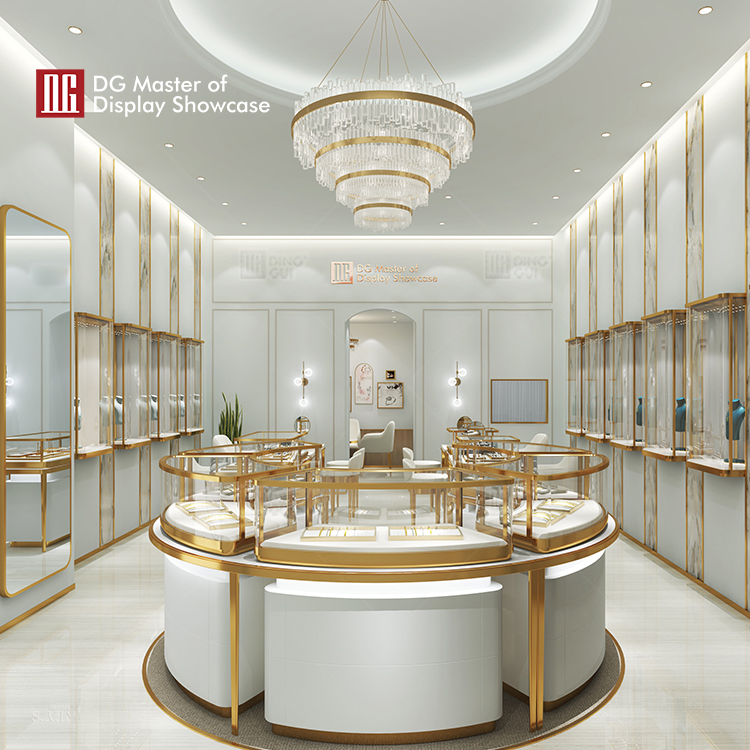
Displaying valuable artifacts requires careful consideration of protection, visibility, environmental conditions, and presentation. A well-designed exhibit case should help visitors appreciate an object while providing an appropriate level of protection against accidental contact, dust, and other potential risks.
Choosing the right Museum Showcase involves more than selecting an attractive case. The size and material of the exhibit, gallery environment, lighting requirements, security considerations, and expected visitor interaction should all be considered before making a decision.
Consider the Type of Exhibit
The nature of the object should guide the selection of the showcase. Different artifacts have different spatial and environmental requirements.
Small objects such as coins, jewelry, documents, and archaeological fragments may require compact cases with carefully arranged supports. Larger sculptures, historical objects, or decorative pieces may require taller or freestanding showcases that provide sufficient viewing space.
Consider the object’s:
- Dimensions and weight
- Shape and structural condition
- Material composition
- Display orientation
- Handling sensitivity
- Required viewing angles
Understanding these factors makes it easier to select an appropriate case configuration.
Choose the Correct Showcase Size
A showcase should provide enough room for the exhibit without making it appear lost within an oversized enclosure. At the same time, the object should not be positioned so close to the glass that visitors have difficulty viewing it.
Allow sufficient clearance around the exhibit for supports, lighting, and safe positioning. Additional space can also make future adjustments easier when an exhibition layout changes.
Prioritize Suitable Glass
Glass is an important part of any museum display because it affects both protection and visibility. Clear, high-quality glass allows visitors to examine exhibits while creating a physical barrier between the object and the surrounding environment.
Depending on the exhibition requirements, options may include tempered or laminated safety glass and specialized glazing designed to address particular conservation concerns.
The choice should take into account durability, optical clarity, reflection, safety, and the type of object being displayed.
Evaluate Security Features
Valuable exhibits may require controlled access and additional protection. Security features can include lockable doors, durable construction, concealed hardware, secure mounting systems, and restricted access mechanisms.
The appropriate level of security depends on the value and sensitivity of the object as well as the museum’s wider security procedures.
Security should also be designed so that it does not unnecessarily interfere with the visitor’s view.
Think About Environmental Protection
Some artifacts are sensitive to changes in temperature, humidity, dust, and light. A showcase can form part of the broader environmental protection strategy for an exhibition.
For sensitive collections, museums may need to consider features such as controlled internal conditions, effective sealing, filtration, or specialized conservation glazing.
Environmental requirements should be determined according to the materials and conservation needs of each exhibit rather than applying the same approach to every object.
Plan the Lighting Carefully
Lighting should reveal important details without creating distracting reflections or exposing sensitive materials to unnecessary light.
Adjustable LED lighting can provide controlled illumination and may be positioned to highlight particular features. The intensity and direction should be selected according to the exhibit and conservation requirements.
Avoid placing lights where reflections make it difficult for visitors to see the object clearly through the glass.
Match the Interior to the Exhibit
The interior background can influence how an artifact is perceived. Neutral surfaces often allow historical objects to remain the main focus, while carefully selected contrasting backgrounds can help certain details stand out.
Display supports should also be unobtrusive. Their purpose is to position and protect the object without becoming a dominant visual element.
Consider Visitor Accessibility
A showcase should be designed with the visitor experience in mind. Viewing height, glass placement, case position, and surrounding circulation space can all affect how comfortably people interact with an exhibition.
Provide clear sightlines and enough room for visitors to approach the display without obstructing others. For public museums, accessibility considerations should be incorporated into the overall exhibition design.
Review Construction and Materials
The construction quality of a showcase can affect its durability and long-term performance. Look for stable frames, reliable hardware, appropriate finishes, and materials suited to the museum environment.
Materials should also be selected with maintenance in mind. Surfaces that are easy to clean can help staff maintain a professional exhibition environment without exposing delicate artifacts to unnecessary handling.
Consider the Exhibition Layout
The showcase should work as part of the wider gallery rather than as an isolated piece of furniture. Consider how multiple cases will relate to one another and how visitors will move between exhibits.
Consistent heights, materials, and visual proportions can create a cohesive exhibition. However, important or unusually sized artifacts may benefit from a different case configuration that reflects their individual requirements.
Plan for Future Changes
Museum exhibitions can change as collections are rotated, new research becomes available, or temporary exhibitions are installed. Flexible showcase designs can make these transitions easier.
Adjustable shelves, removable supports, adaptable lighting, and modular interiors can provide greater flexibility without requiring an entirely new display system.
Museums evaluating options from DG Display Showcase can consider these practical characteristics alongside exhibit protection, visual presentation, and long-term maintenance needs.
Establish a Maintenance Routine
Even a well-designed showcase requires regular inspection. Staff should check the condition of glass, locks, seals, lighting, supports, and interior surfaces according to the museum’s maintenance procedures.
Regular cleaning should be performed using methods appropriate for the materials involved. Any structural or environmental issue should be documented and addressed promptly.
Conclusion
Choosing the right showcase for valuable exhibits requires a balance between protection, conservation, visibility, security, and visitor experience. The ideal solution depends on the specific characteristics of the artifact and the conditions of the exhibition space.
By evaluating size, glazing, environmental requirements, lighting, security, accessibility, construction, and future flexibility, museums can create displays that protect important objects while allowing visitors to appreciate them clearly and comfortably.


