Launching a new sunglasses collection takes careful coordination between design, sampling, material sourcing, production, and quality checks. The total timeline depends on how much customization a brand wants and how prepared the product specifications are before manufacturing starts.
A custom sunglasses factory may need several weeks or longer to move a collection from an initial concept to finished products. New molds, complex frame designs, special materials, multiple colors, and custom packaging can all affect the schedule.
What Determines the Production Timeline?
There is no single timeline that applies to every custom sunglasses collection. A simple collection based on an existing frame platform may move faster than a completely new range with unique shapes and components.
The number of designs also matters. A collection with several frame styles requires more sampling, approvals, material preparation, and production planning than a small collection with only a few models.
Stage 1: Design and Product Planning
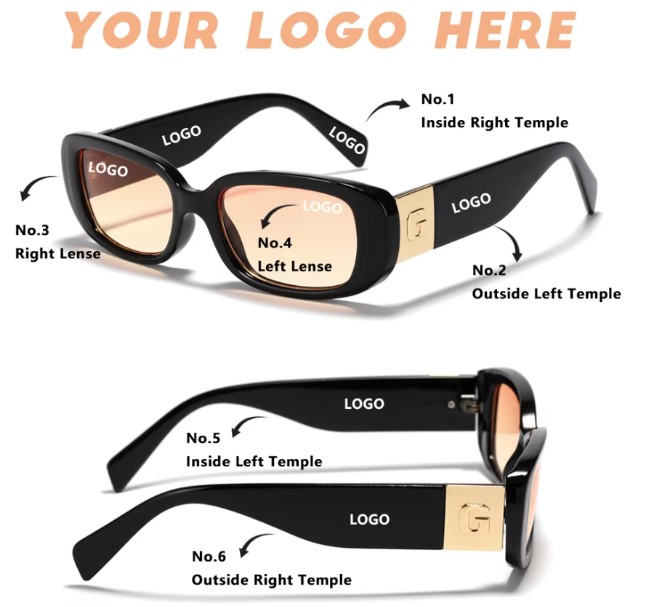
The process starts when the brand shares its concepts and product requirements with the manufacturer. These details may include frame dimensions, shapes, materials, colors, lenses, logos, hardware, and packaging.
A well-prepared product brief can shorten this stage because the factory has clearer instructions from the beginning. Missing specifications may lead to additional questions and revisions.
Brands should also communicate their target launch date early. This gives the manufacturer an opportunity to assess whether the requested schedule fits its production capacity.
Stage 2: Design Review and Engineering
The manufacturer reviews the proposed designs to determine how they can move into production. The factory may assess frame construction, dimensions, component compatibility, and manufacturing requirements.
Complex designs may require technical adjustments before sampling. These changes can improve production efficiency without altering the main visual concept.
This stage often takes longer for completely new frame structures because the manufacturer needs to solve practical production challenges before creating the first sample.
Stage 3: Prototype Development
Once the design receives initial approval, the factory develops prototypes. The sample gives the brand a physical version of the proposed product for evaluation.
Brands typically inspect:
- Frame shape and dimensions
- Color and surface finish
- Lens appearance and specifications
- Hinge movement
- Logo placement
- Overall comfort
- General construction
The number of sample revisions can have a major effect on the overall timeline. A collection that receives approval quickly can move forward sooner than one that requires multiple changes.
Stage 4: Material and Component Preparation
After the design direction becomes clear, the factory needs to source or prepare the required materials and components.
This may include frame materials, lenses, hinges, screws, nose pads, decorative elements, packaging, and branding components. Special materials may require additional sourcing time.
Common colors and standard components may move through procurement faster than highly specific or custom options.
Stage 5: Sample Approval
Sample approval represents an important milestone. The brand needs to confirm that the physical product matches the intended design before mass production begins.
It helps to evaluate all details at this stage rather than approving the sample based only on its general appearance. Small differences in color, dimensions, finishing, or branding can become much harder to correct after production starts.
A written approval also gives the factory a clear reference for the production run.
Stage 6: Mass Production
After final approval, the factory schedules the collection for production. The actual manufacturing period depends on the number of units, number of designs, factory capacity, materials, and production complexity.
Large orders naturally require more production time than smaller runs. A collection with many colors may also require additional planning compared with a collection that uses fewer variations.
Production typically involves multiple steps, from frame preparation and forming to assembly, lens installation, finishing, branding, and final inspection.
Stage 7: Quality Inspection
Quality control takes place during and after manufacturing. The factory checks the finished sunglasses against the agreed specifications and quality requirements.
Inspections may cover frame alignment, lenses, hinges, surface finish, logos, dimensions, and overall assembly.
Allowing time for quality checks protects the collection from moving directly into shipping without adequate review. Any units that require correction may also add time to the schedule.
Stage 8: Packaging and Shipping
The final stage involves preparing the sunglasses for delivery. Custom packaging may include cases, boxes, cleaning cloths, labels, inserts, and outer cartons.
Shipping time depends on the destination, selected transportation method, customs procedures, and logistics arrangements. International orders therefore need additional time beyond the manufacturing schedule.
Brands should consider shipping when setting their launch date rather than treating production completion as the final deadline.
How Long Should Brands Expect?
A custom sunglasses project may take several weeks to move through development and production, while more complex collections can require a longer schedule.
The timeline often depends on:
| Production factor | Potential effect on timing |
| New frame design | May require additional development and sampling |
| Existing frame platform | May reduce development work |
| Number of styles | More styles require more sampling and production planning |
| Material selection | Special materials may take longer to source |
| Sample revisions | Additional changes extend development |
| Order quantity | Larger orders generally require more production capacity |
| Custom packaging | Additional preparation may increase the schedule |
| Shipping method | Transportation adds time after production |
These factors make it difficult to promise one standard timeline for every collection.
How Brands Can Reduce Delays
Manufacturers control many parts of the process, but brands also influence the schedule. Clear communication and quick approvals can prevent unnecessary pauses.
To keep the project moving:
- Prepare complete design specifications.
- Confirm materials early.
- Provide clear logo and branding files.
- Review samples promptly.
- Approve final specifications in writing.
- Confirm packaging requirements before production.
- Discuss shipping arrangements in advance.
A detailed production schedule can help everyone understand when each stage should begin and finish.
What Causes Custom Sunglasses Production Delays?
Several issues can push back a collection launch. Late design changes rank among the most common because they may require another sample or affect materials already prepared for production.
Material shortages, component availability, unexpected quality issues, factory capacity, and shipping disruptions can also influence the final delivery date.
Brands should build some flexibility into their launch schedule rather than planning around the earliest possible completion date.
Why Early Planning Matters
Starting the manufacturing conversation early gives brands more room to handle unexpected changes. It also allows enough time for sampling, revisions, production, quality checks, and logistics.
Eugenia Eyewear helps brands explore custom eyewear production and understand the practical considerations involved in developing new sunglasses collections.
An early discussion can also help establish realistic expectations about design complexity, quantities, materials, and production timing.
Final Thoughts
The time required to produce a new custom sunglasses collection depends on much more than factory production speed. Design development, prototype revisions, material sourcing, order quantity, quality control, packaging, and shipping all contribute to the final timeline.
Brands that provide complete specifications and approve samples promptly can help keep production on track. Working with an experienced manufacturer and planning well ahead of the intended launch date can also make the entire process more predictable.
Eugenia Eyewear offers brands an option to explore custom sunglasses development while considering the production requirements that come with a new eyewear collection.