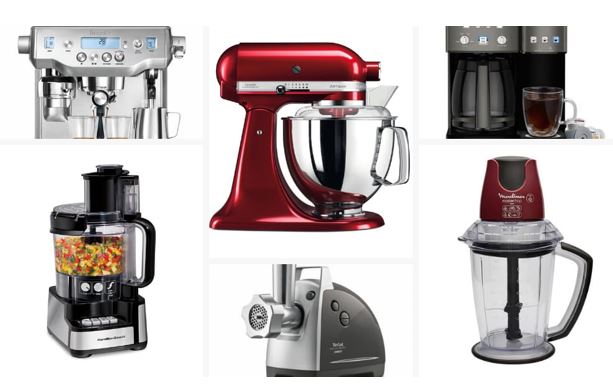
The small appliance industry is built on a diverse supply network that spans from small regional manufacturers to large-scale global producers. As consumer demand grows for affordable, efficient, and innovative home devices, businesses must carefully choose their sourcing partners. The decision between local and international suppliers can significantly influence pricing, product variety, logistics, and long-term scalability.
In this competitive environment, many businesses evaluate partnerships with small appliance suppliers based on factors such as manufacturing capacity, customization options, and global distribution reach. Understanding the differences between local and international suppliers is essential for making informed sourcing decisions that align with business goals.
Understanding Local Small Appliance Suppliers
Local suppliers typically operate within a specific country or region and serve nearby markets. Their primary advantage lies in proximity, which allows for faster communication, shorter delivery times, and easier coordination.
Businesses working with local suppliers often benefit from:
- Faster shipping and reduced logistics costs
- Easier quality inspections and factory visits
- Better communication due to shared language and time zones
- Lower minimum order quantities in some cases
Local suppliers are often preferred by small businesses or startups that require flexible ordering and quick replenishment cycles. However, their product range may be more limited compared to larger international manufacturers, and production scalability can sometimes be constrained.
Understanding International Small Appliance Suppliers
International suppliers operate on a global scale, often managing large manufacturing facilities and exporting products to multiple regions. These suppliers are typically based in major production hubs and serve a wide variety of markets across continents.
Their key advantages include:
- Extensive product variety across multiple categories
- High production capacity for bulk orders
- Advanced manufacturing technology and automation
- Strong experience with global compliance standards
International suppliers are well-suited for businesses looking to scale operations or enter multiple markets simultaneously. They often support OEM and ODM services, allowing brands to customize products according to specific design and functional requirements.
However, working with international suppliers may involve longer shipping times, higher logistical complexity, and potential communication challenges due to distance and time zone differences.
Key Differences Between Local and International Suppliers
The choice between local and international sourcing depends on business priorities. Below are the main differences that distinguish the two:
1. Product Range and Innovation
International suppliers typically offer a broader and more innovative product range due to larger R&D investments and global market exposure. Local suppliers may focus on simpler, region-specific products.
2. Cost Structure
Local suppliers can offer lower transportation costs, while international suppliers often provide lower unit prices due to economies of scale. However, import duties and shipping fees can affect final costs when sourcing globally.
3. Lead Time and Logistics
Local sourcing usually ensures faster delivery and easier restocking. International sourcing, while more complex, is better suited for large-volume shipments and long-term inventory planning.
4. Customization and Manufacturing Scale
International manufacturers generally provide more advanced customization options and higher production capacity, making them suitable for large brands and global retailers.
5. Quality Control and Standards
Both supplier types may maintain strong quality standards, but international suppliers often comply with multiple global certifications, making their products more suitable for export markets.
Choosing the Right Supplier for Your Business
Selecting between local and international suppliers depends on several factors, including business size, target market, and growth strategy. Small businesses or regional retailers may prioritize speed and flexibility, making local suppliers a better fit. On the other hand, companies aiming for global expansion often rely on international suppliers for their scalability and product diversity.
When evaluating options, businesses should consider:
- Market demand and customer expectations
- Budget and total landed cost
- Product complexity and customization needs
- Long-term supply chain stability
A balanced sourcing strategy may even involve working with both local and international suppliers to optimize efficiency and reduce risk.
Conclusion
The decision between local and international sourcing plays a crucial role in shaping business success within the small appliance industry. Local suppliers offer speed and convenience, while international suppliers provide scale, variety, and advanced manufacturing capabilities. Understanding these differences allows businesses to build more resilient supply chains and better serve their target markets in a competitive global environment.