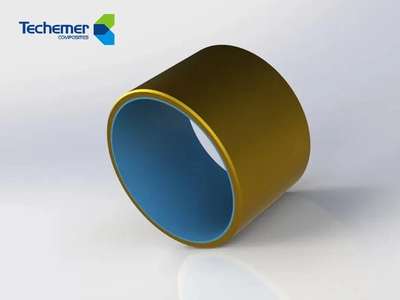
Hydro turbines are designed to operate continuously under demanding mechanical and environmental conditions. Their performance depends on the reliability of several interconnected components, including shafts, generators, lubrication systems, and bearings. When bearing problems develop, they can affect the stability of the entire turbine assembly and reduce the efficiency of electricity generation.
Properly maintained hydro turbine bearings help control friction, support rotating shafts, and manage mechanical loads. However, factors such as inadequate lubrication, excessive vibration, contamination, and incorrect installation can cause premature deterioration. Understanding these common problems and their prevention methods helps hydropower operators improve equipment reliability and avoid costly shutdowns.
Why Bearing Reliability Matters in Hydro Turbines
Bearings perform an essential function in hydroelectric power plants by supporting rotating components and maintaining shaft alignment. Depending on the turbine design, they may handle radial loads, axial thrust, or both.
When bearings operate correctly, they reduce friction, limit unwanted movement, and help maintain stable rotation. If their performance deteriorates, mechanical resistance and vibration can increase, potentially damaging surrounding components.
Bearing failures may result in:
- Unexpected turbine shutdowns.
- Increased maintenance and replacement costs.
- Excessive heat generation.
- Damage to shafts and bearing housings.
- Reduced equipment availability.
- Unplanned interruptions in electricity production.
Preventing these issues requires regular inspections, suitable bearing selection, and effective maintenance procedures.
Common Bearing Problems in Hydro Turbines
Several operating and maintenance factors can contribute to bearing deterioration. Identifying the warning signs early allows operators to address problems before they cause serious equipment damage.
1. Lubrication Failure
Lubrication failure is one of the most common causes of bearing damage. Bearings require an appropriate lubricating film to minimize friction and prevent direct contact between moving surfaces.
When the oil supply becomes insufficient or lubricant quality deteriorates, friction increases. This can generate excessive heat, damage bearing surfaces, and accelerate wear.
Common causes include:
- Low lubricant levels.
- Incorrect oil viscosity.
- Blocked lubrication passages.
- Pump or circulation system failures.
- Degraded or contaminated oil.
Prevention methods:
Operators should regularly inspect oil levels, monitor circulation, and verify that the lubricant meets manufacturer specifications. Oil analysis can also help identify changes in viscosity, contamination, and oxidation before they lead to serious problems.
2. Bearing Overheating
Excessive bearing temperature can reduce lubrication effectiveness and damage bearing materials. Overheating may develop gradually or occur suddenly because of mechanical or lubrication-related problems.
Common contributing factors include excessive loading, inadequate oil flow, incorrect bearing clearances, and cooling system problems.
Temperature increases should never be ignored, particularly in large turbine-generator assemblies.
Prevention methods:
Install appropriate temperature-monitoring equipment and establish normal operating temperature ranges. Regularly inspect lubrication and cooling systems, and investigate unusual temperature variations as soon as they appear.
3. Excessive Vibration
Vibration is another important indicator of bearing deterioration. Although some vibration is normal during turbine operation, unusual increases may indicate mechanical problems.
Potential causes include shaft misalignment, rotor imbalance, bearing wear, uneven loading, and hydraulic disturbances.
Continuous vibration can increase stress on bearing surfaces and connected components, potentially shortening equipment service life.
Prevention methods:
Use vibration monitoring systems to establish operating baselines and identify abnormal patterns. Regular alignment checks and inspections can help determine whether vibration originates from the bearing, shaft, or another part of the turbine assembly.
4. Bearing Wear and Surface Damage
Continuous operation gradually exposes bearing surfaces to mechanical stress. Under unsuitable conditions, this can lead to scoring, pitting, surface deformation, and material deterioration.
Wear may develop more quickly when lubrication is inadequate, loads are excessive, or contaminants enter the bearing system.
Prevention methods:
Select bearing materials suitable for the operating environment and mechanical loads. Maintain effective lubrication, inspect bearing surfaces during scheduled maintenance, and replace components when measurements exceed acceptable wear limits.
5. Contamination of Lubricating Oil
Hydropower facilities operate in environments where moisture and airborne contaminants can affect lubrication systems.
Water, dust, metallic particles, and other foreign materials may enter the oil supply through damaged seals, inadequate filtration, or maintenance activities.
Contaminated lubricant can reduce film strength, increase friction, and accelerate bearing surface damage.
Prevention methods:
Use suitable filtration equipment, maintain effective sealing arrangements, and follow clean handling procedures when adding or replacing lubricant. Regular oil sampling can help detect contamination before it causes significant damage.
6. Shaft Misalignment
Shaft misalignment occurs when connected rotating components are not positioned correctly relative to one another.
This condition can create uneven bearing loads, increase friction, and produce excessive vibration. Over time, it may cause localized wear and damage to other mechanical components.
Misalignment can result from incorrect installation, foundation movement, thermal expansion, or mechanical deformation.
Prevention methods:
Use precision alignment procedures during installation and scheduled maintenance. Engineers should also inspect mounting arrangements, bearing housings, and supporting structures to identify conditions that may affect alignment.
7. Corrosion and Moisture Damage
Moisture exposure can cause corrosion on bearing surfaces and related mechanical components, particularly when protective lubrication or sealing systems are inadequate.
Corrosion may create surface irregularities that interfere with normal bearing operation and accelerate deterioration.
Prevention methods:
Choose materials and protective coatings appropriate for the operating environment. Maintain effective seals, prevent water from entering lubrication systems, and inspect exposed surfaces for early signs of corrosion.
8. Excessive Mechanical Loading
Bearings must support the forces generated during turbine operation. When actual loads exceed design limits, bearing surfaces may experience excessive pressure and deformation.
Overloading can result from incorrect component selection, changing hydraulic conditions, shaft misalignment, or abnormal operating events.
Prevention methods:
Verify bearing load ratings during equipment design and replacement. Consider both radial and axial forces, including potential variations during different operating conditions. Ensure that the selected bearing arrangement matches the turbine manufacturer’s engineering specifications.
How to Prevent Bearing Problems in Hydro Turbines
Preventive maintenance is essential for reducing bearing-related failures and maintaining dependable turbine operation. Rather than waiting for visible damage, operators should follow a structured maintenance program that identifies potential problems early.
Establish a Regular Inspection Schedule
Routine inspections help maintenance teams detect abnormal operating conditions before they become serious.
Inspection activities should include checking bearing surfaces, lubrication systems, seals, mounting arrangements, and surrounding mechanical components.
The inspection frequency should depend on equipment design, operating conditions, manufacturer recommendations, and previous maintenance findings.
Maintain Proper Lubrication
Lubrication management should be treated as a critical part of bearing maintenance.
Operators should ensure that the correct lubricant is used, oil levels remain within specified limits, and circulation systems operate properly.
Oil condition monitoring is also valuable because it can reveal contamination, oxidation, and other changes that may affect bearing performance.
Monitor Temperature and Vibration
Continuous condition monitoring provides useful information about bearing health.
Temperature sensors can identify unusual heat generation, while vibration monitoring can reveal developing mechanical problems. Comparing readings with established operating baselines makes it easier to recognize abnormal trends.
These monitoring methods support condition-based maintenance and reduce reliance on fixed inspection intervals alone.
Follow Correct Installation Procedures
Proper installation is essential for achieving the expected performance and service life of a bearing.
Maintenance teams should verify dimensions, clearances, shaft alignment, mounting conditions, and lubrication arrangements before returning equipment to service.
Incorrect installation can create problems even when the bearing itself meets all required specifications.
Train Maintenance Personnel
Experienced maintenance personnel are better equipped to recognize early warning signs and follow appropriate inspection procedures.
Training should cover lubrication management, vibration analysis, temperature monitoring, installation practices, and bearing failure identification.
Consistent maintenance procedures also help reduce errors during inspection and component replacement.
The Importance of Choosing Suitable Bearing Materials
Bearing material selection influences resistance to wear, corrosion, mechanical stress, and temperature variations.
Different applications may require different materials depending on their operating conditions.
Common options include:
- Bronze alloys: Used in applications requiring suitable wear resistance and mechanical strength.
- White-metal linings: Frequently used in large hydrodynamic bearings because of their conformability and compatibility with appropriate lubrication systems.
- Steel: Commonly used in rolling element bearing designs because of its strength and load-bearing properties.
- Engineered polymers: Used in selected applications where low friction and corrosion resistance are important.
Engineers should evaluate material properties alongside load requirements, lubricant compatibility, operating temperature, and environmental exposure.
When Should Hydro Turbine Bearings Be Replaced?
Not every bearing problem requires immediate replacement. Some issues can be addressed through lubrication corrections, alignment adjustments, or other maintenance activities.
However, replacement may become necessary when bearing surfaces show severe damage, clearances exceed specified limits, or monitoring results indicate unacceptable deterioration.
Important warning signs include:
- Persistent abnormal vibration.
- Repeated overheating.
- Visible scoring or surface deformation.
- Unusual noise during operation.
- Recurrent lubrication problems.
- Significant changes in operating clearances.
The final decision should be based on inspection measurements, manufacturer specifications, and engineering assessments rather than appearance alone.
How Technology Is Improving Bearing Maintenance
Modern monitoring technologies are changing the way hydropower facilities manage bearing reliability.
Sensors can continuously measure operating conditions such as vibration and temperature. Advanced monitoring systems can analyze these measurements and identify patterns associated with developing mechanical problems.
Predictive maintenance also helps operators plan inspections and repairs according to actual equipment condition.
Technical information and industrial bearing resources from companies such as Techemer can support engineers in understanding bearing applications, performance requirements, and maintenance considerations.
As monitoring technologies become more advanced, hydropower facilities can make better maintenance decisions and reduce the likelihood of unexpected equipment failures.
Conclusion
Bearing problems in hydro turbines can develop because of inadequate lubrication, overheating, contamination, excessive vibration, misalignment, corrosion, and mechanical overloading. If these issues remain undetected, they may lead to equipment damage, expensive repairs, and interruptions in electricity generation.
The most effective prevention strategy combines suitable bearing selection, correct installation, regular inspections, proper lubrication, and continuous condition monitoring.
By addressing early warning signs and following manufacturer-recommended maintenance practices, hydropower operators can extend bearing service life, improve turbine reliability, and maintain consistent power generation.