Choosing the right material for a washing area affects more than its appearance. A basin needs to handle regular water exposure, frequent cleaning, and daily use without becoming difficult to maintain. Ceramic and solid surface are two options worth considering, yet they differ in construction, finish, repairability, and design flexibility.
When comparing a Wudu basin, the intended setting matters as much as the material itself. A small home bathroom may have different requirements from a mosque or Islamic center with several washing stations. Understanding how ceramic and solid surface perform under everyday conditions helps make the selection more practical.
Understanding Ceramic And Solid Surface Materials
Before comparing performance, it helps to understand how manufacturers produce these two materials.
What Is A Ceramic Basin?
Ceramic basins generally use clay-based materials that manufacturers shape and fire at high temperatures. A glazed coating creates a smooth, hard surface that resists water and makes routine cleaning relatively simple.
Ceramic is widely used in bathrooms due to its familiar appearance and range of shapes. White remains a common choice, though manufacturers also produce basins in different colors and finishes.
What Is A Solid Surface Basin?
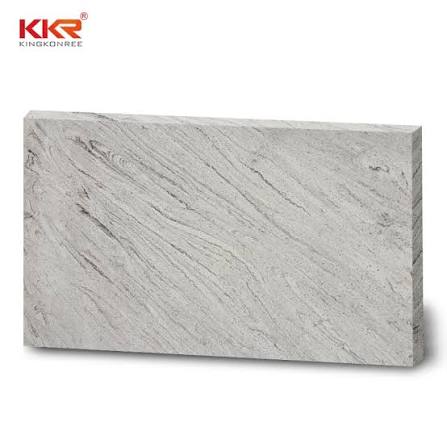
Solid surface basins use a blend of materials such as mineral fillers and resin. Manufacturers mold and finish the mixture to create a consistent surface throughout the product.
Unlike glazed ceramic, solid surface does not rely on a separate outer glaze for its appearance. Depending on the product formulation, manufacturers may offer different colors, shapes, textures, and integrated basin designs.
Ceramic Vs Solid Surface Wudu Basin: Key Performance Differences
Both materials serve the same basic purpose, yet their properties affect how they perform in residential and public washing areas.
| Comparison Factor | Ceramic | Solid Surface |
| Surface finish | Smooth glazed coating | Consistent molded surface |
| Water resistance | Non-porous when glaze remains intact | Generally non-porous, depending on formulation |
| Scratch resistance | Hard surface, though glaze can scratch | May scratch, depending on composition and finish |
| Impact resistance | Can chip or crack from hard impacts | Often less brittle, though damage remains possible |
| Cleaning | Easy with suitable bathroom cleaners | Easy with material-approved cleaners |
| Repair options | Chips and cracks may be difficult to repair invisibly | Some minor surface damage may be repairable |
| Design flexibility | Limited by molding and firing processes | Greater flexibility in shapes and integrated designs |
| Appearance | Traditional, glossy, or colored finishes | Matte, satin, or other available finishes |
Actual performance varies by product quality, thickness, manufacturing process, and maintenance.
Durability And Resistance To Daily Use
A basin in a private bathroom may receive moderate daily use. A mosque or public washing facility experiences more frequent contact with water, cleaning products, and personal items. Material durability becomes especially important in these settings.
Ceramic Durability
Ceramic has a hard surface that handles normal bathroom use well. Its glazed finish resists everyday stains and moisture, making it suitable for areas that need regular cleaning.
Its main weakness comes from impact damage. A heavy object dropped into the basin may cause a chip or crack. Damage to the glaze also affects the surface and may become more noticeable over time.
Solid Surface Durability
Solid surface materials often offer better resistance to brittle impact damage than ceramic. Their composition gives them a different response to knocks and everyday contact.
However, solid surface is not immune to scratches, heat, or damage from unsuitable chemicals. Its performance depends on the specific formulation and manufacturer recommendations.
For facilities with frequent use, review product specifications and warranty terms rather than relying on the material name alone.
Cleaning And Hygiene Requirements
A washing basin needs regular cleaning to remove soap residue, water marks, and mineral deposits. Both ceramic and solid surface can support good hygiene when their surfaces remain intact and users follow suitable cleaning practices.
Cleaning Ceramic
The glazed finish on ceramic makes routine maintenance straightforward. A soft cloth, mild detergent, and clean water usually handle everyday dirt.
Avoid abrasive pads that may scratch the glaze. Strong chemicals should also match the manufacturer’s cleaning guidance, particularly when the basin has a special finish.
Cleaning Solid Surface
Solid surface basins also have relatively simple cleaning requirements. Their smooth construction helps prevent ordinary dirt and residue from settling into the material.
Use a non-abrasive cloth and a cleaner approved for the specific surface. Some solid surface products allow light sanding or refinishing to address minor scratches, though this depends on the material and finish.
For both options, drying the basin after heavy use helps limit visible water spots, especially in areas with hard water.
Repairing Scratches, Chips, And Cracks
Damage is an important consideration when choosing a material for a frequently used washing area. The repair process differs considerably between ceramic and solid surface.
Repairing Ceramic Damage
Small surface chips may sometimes receive a repair treatment, yet matching the original glaze and color can be difficult. Deep cracks usually require professional assessment or basin replacement.
A damaged ceramic basin should not remain in regular use when cracks affect its structure or create sharp edges.
Repairing Solid Surface Damage
Minor scratches on certain solid surface products may be removed through professional sanding or polishing. Some manufacturers also provide repair kits for specific materials.
Deep cracks, structural damage, or problems around joints may require specialist repair. Check the manufacturer’s instructions before attempting any surface treatment.
This repair flexibility can be useful in busy facilities where replacing an entire basin would disrupt daily use.
Design Flexibility And Appearance
The basin needs to fit the surrounding bathroom or washing area. Shape, color, size, and installation style all influence the final result.
Ceramic Design Options
Ceramic basins suit traditional and contemporary bathrooms. Their familiar white finish works with many tile colors, countertops, and bathroom fittings.
Manufacturers offer different shapes and sizes, though complex custom forms may be harder to produce. Ceramic may suit projects where a conventional basin design meets the required dimensions.
Solid Surface Design Options
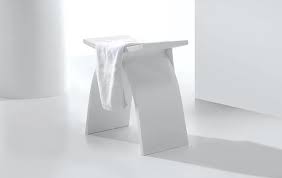
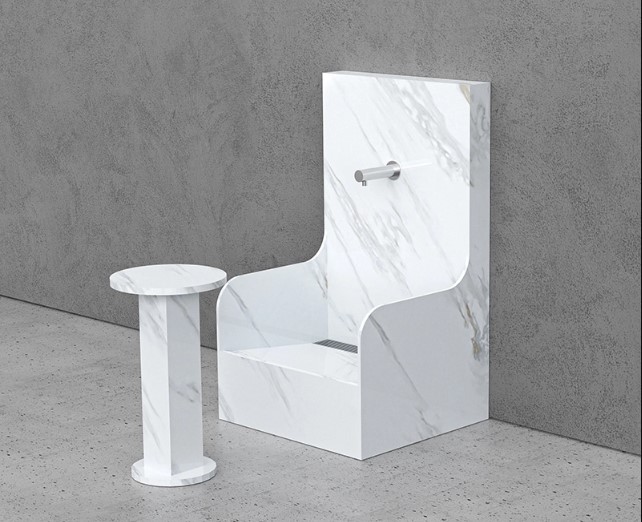
Solid surface offers greater freedom for custom shapes and integrated designs. Manufacturers can produce longer washing units, coordinated countertops, and basins with a consistent appearance.
This flexibility can help in mosques and Islamic centers that need several washing positions within one continuous unit. The final design still needs proper support, drainage, and access for maintenance.
Cost And Long-Term Value
The purchase price is only one part of the total cost. Installation, maintenance, repairs, and expected service life also affect the overall value of a basin.
Ceramic often suits projects with a tighter initial budget. Its widespread availability and established manufacturing process make it a familiar option for residential bathrooms and standard commercial installations.
Solid surface may require a higher initial investment, particularly for custom dimensions or integrated designs. However, repair options and design flexibility may offer value in projects where appearance and long-term maintenance matter.
When comparing quotations, check what each price includes:
- Basin dimensions and material thickness
- Faucet and drain compatibility
- Custom manufacturing requirements
- Installation and plumbing costs
- Warranty coverage
- Cleaning and repair recommendations
Product specifications from manufacturers such as kingkonree can help buyers compare material options and understand the care each basin requires.
Which Material Works Better For Different Settings?
The right material depends on the building, usage level, design requirements, and maintenance budget.
For Residential Bathrooms
Ceramic may suit homeowners who prefer a familiar finish and straightforward cleaning. It works well in standard bathroom layouts where a conventional basin meets the household’s needs.
Solid surface may suit homeowners who want a custom shape, integrated countertop, or coordinated bathroom design.
For Mosques
Mosques need washing facilities that support frequent use and regular cleaning. Ceramic can serve standard installations, provided the design protects the basin from heavy impacts.
Solid surface may be worth considering for multi-station units or custom layouts. Its repair options can also be useful when minor surface damage occurs.
For Islamic Centers
Islamic centers often balance appearance, accessibility, and capacity. Solid surface offers flexibility for creating washing units that fit specific room dimensions.
Ceramic remains an option for smaller facilities or projects with standard installation requirements. The final choice should reflect expected usage and available maintenance support.
Frequently Asked Questions
Is A Solid Surface Wudu Basin Better Than Ceramic?
Neither material suits every project. Solid surface offers greater design flexibility and may allow repairs to minor scratches, while ceramic provides a hard glazed finish and familiar maintenance requirements.
Does Ceramic Crack More Easily Than Solid Surface?
Ceramic can chip or crack when a heavy object strikes it. Solid surface is often less brittle, though it can still suffer scratches, cracks, and other damage depending on its composition.
Which Material Is Easier To Clean?
Both materials are relatively easy to clean when they have smooth, intact surfaces. Use mild or manufacturer-approved cleaners and avoid abrasive tools that may damage the finish.
Can Solid Surface Basins Be Repaired?
Some solid surface products allow minor scratches to be sanded or polished away. Deep damage may need professional repair, so buyers should confirm the available repair options with the manufacturer.
Which Material Is More Suitable For A Public Wudu Area?
The choice depends on usage, design, and maintenance needs. Ceramic may suit standard installations, while solid surface may work well for custom multi-station layouts.
Final Thoughts
Ceramic and solid surface offer different advantages for wudu washing areas. Ceramic provides a familiar glazed finish with straightforward cleaning requirements, while solid surface offers greater freedom in design and may allow minor surface repairs.
For a home bathroom, the decision may come down to appearance, budget, and preferred maintenance. Mosques and Islamic centers need to consider user capacity, impact resistance, repair access, and custom dimensions. Comparing these practical requirements with the manufacturer’s specifications will help identify the material that best fits the project.