In modern industrial environments, grinding and dispersion processes play a critical role in producing high-quality materials for industries such as paints, coatings, chemicals, pharmaceuticals, and inks. While these systems are highly efficient, they also involve high-speed mechanical components that require careful handling and strict safety measures.
A properly operated bead mill ensures consistent particle size reduction and stable dispersion. However, safety and operational discipline are equally important to maintain performance and protect both operators and equipment. In fact, using a bead mill correctly according to safety guidelines significantly improves efficiency and reduces operational risks.
Importance of Safety in Bead Milling Operations
Bead milling involves high-speed rotation, intense mechanical forces, and continuous energy transfer. Without proper safety practices, this can lead to equipment damage or operational hazards.
Proper safety practices help ensure:
- Safe machine operation
- Consistent product quality
- Reduced risk of mechanical failure
- Longer equipment lifespan
Pre-Operation Safety Checks
Before starting a bead mill, operators should perform essential inspections to ensure the system is in safe working condition.
Key checks include:
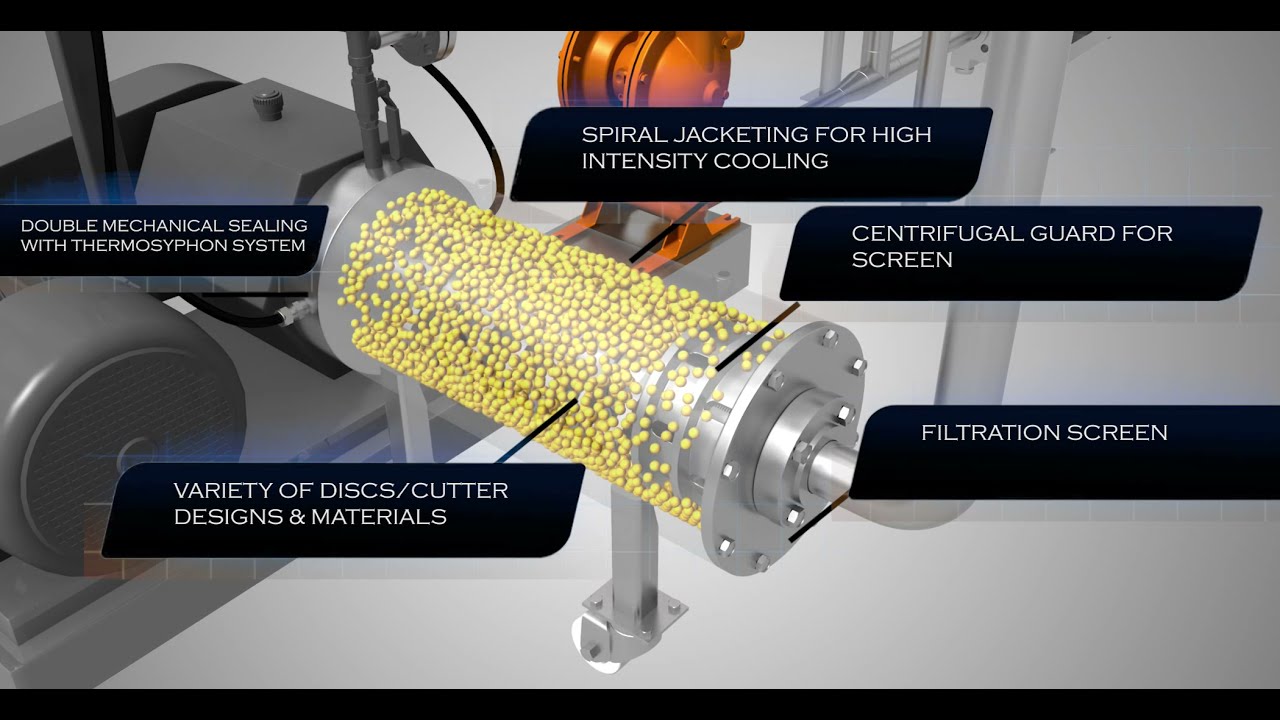
- Inspecting grinding chamber for wear or damage
- Ensuring correct installation of grinding media
- Checking seals and gaskets for leakage
- Verifying cooling system functionality
- Confirming electrical connections are secure
These steps help prevent unexpected breakdowns during operation.
Safe Start-Up Procedure
Starting the machine correctly is crucial for avoiding sudden mechanical stress.
Best practices include:
- Gradually increasing rotor speed
- Avoiding sudden full-load operation
- Ensuring stable material feed
- Monitoring initial vibration levels
A controlled start-up ensures smoother operation and reduces wear on components.
Operational Guidelines During Running Phase
Once the machine is in operation, continuous monitoring is essential.
Operators should:
- Maintain consistent feed rate
- Monitor temperature and pressure levels
- Listen for unusual noise or vibration
- Avoid overloading the grinding chamber
Proper monitoring ensures stable and efficient performance.
Shutdown Safety Procedures
Correct shutdown procedures are equally important for maintaining equipment health.
Steps include:
- Gradually reducing machine speed
- Allowing chamber to clear material
- Ensuring cooling system continues briefly
- Turning off power only after stabilization
This helps prevent residue buildup and mechanical stress.
Personal Safety Measures for Operators
Operator safety is a critical aspect of bead milling operations.
Recommended safety practices include:
- Wearing protective gloves and goggles
- Avoiding direct contact with moving parts
- Following standard operating procedures
- Receiving proper machine training
Proper training reduces human error and enhances workplace safety.
Common Safety Risks and How to Avoid Them
1. Overheating
Caused by poor cooling or excessive load.
Solution:
- Maintain cooling system efficiency
- Avoid continuous overload operation
2. Mechanical Failure
Caused by worn components or poor maintenance.
Solution:
- Conduct regular inspections
- Replace worn parts promptly
3. Leakage Issues
Caused by seal damage or pressure imbalance.
Solution:
- Inspect seals regularly
- Maintain proper operating pressure
4. Electrical Hazards
Caused by faulty wiring or improper grounding.
Solution:
- Ensure proper electrical maintenance
- Follow safety standards
Importance of Regular Maintenance for Safety
Routine maintenance is essential for safe and efficient operation of a bead mill.
Key maintenance activities include:
- Cleaning grinding chamber regularly
- Inspecting grinding media condition
- Lubricating moving parts
- Checking alignment and calibration
Preventive maintenance reduces risk and improves long-term performance.
Conclusion
Safety and operational discipline are essential for maintaining efficient and reliable industrial grinding processes. A properly handled bead mill not only improves product quality but also ensures safe and stable operation in demanding industrial environments.
By following structured safety practices and operational guidelines, manufacturers can reduce risks, extend equipment lifespan, and achieve consistent production performance.