A bathroom washbasin and a wudu basin may look similar at first, yet they serve different purposes. A regular washbasin mainly supports everyday tasks such as washing hands, brushing teeth, and cleaning the face. A wudu basin focuses on the steps involved in ablution and provides features that make washing different parts of the body more comfortable.
Understanding these differences helps homeowners choose the right fixture for their needs. A Bathroom Wudu basin usually offers a design that supports foot washing, controlled water flow, and a more practical standing position. A regular washbasin may not provide the same level of comfort for these activities, especially when someone performs wudu several times a day.
Purpose And Everyday Use
The main difference starts with how each basin is used. A regular washbasin supports basic personal hygiene. Its design usually focuses on handwashing, face washing, and other tasks that require access to a small amount of water.
A wudu basin serves a more specific purpose. It supports the washing of the hands, mouth, nose, face, arms, head, and feet as part of Islamic ablution. Its structure and surrounding space need to accommodate these steps without making the process awkward.
This difference in purpose affects the basin’s dimensions, depth, shape, height, and drainage arrangement.
Design And Basin Shape
Regular washbasins come in many shapes, including round, oval, square, and rectangular designs. Most models have a bowl that collects water before directing it into the drain. Their shape often prioritizes appearance and convenience for routine bathroom activities.
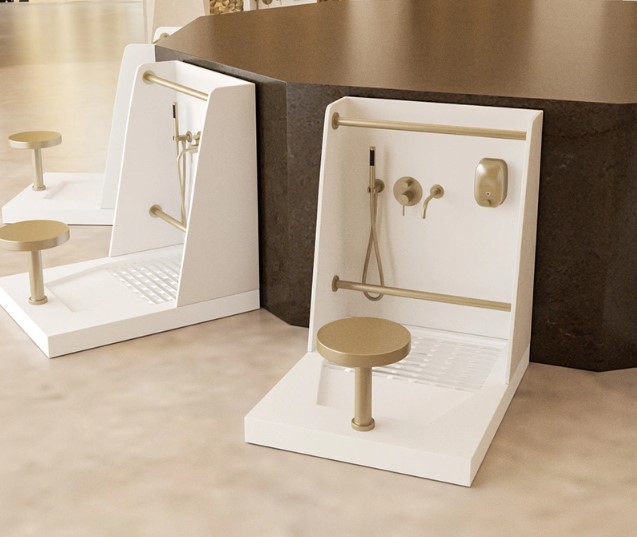
Wudu basins may have a more specialized shape. Some include a wider washing area, a lower section for foot washing, or a sloped surface that directs water toward the drain. These features help users perform ablution without relying on an ordinary basin’s limited bowl space.
Why Shape Matters
The shape of a basin affects how easily someone can reach the water and wash different body parts. A shallow or narrow washbasin may work well for handwashing but create difficulties when someone needs to wash their feet.
A wudu basin with a suitable profile provides more room for movement. Its design can also help keep water within the intended washing area.
Height And User Position
A regular washbasin usually sits at a height that suits standing handwashing and face washing. This arrangement works for common bathroom routines, yet it may require users to bend more when washing their feet.
Wudu basins may use a different height or a stepped design to support foot washing. Some models place the foot washing area lower than the main basin, reducing the need to lift the legs or bend deeply.
The right height depends on the users. Families may need to consider children, adults, and older household members before choosing a model.
Foot Washing Facilities
Foot washing is one of the clearest functional differences between the two fixtures. Most regular washbasins do not provide enough space or a suitable structure for comfortable foot washing. Users may need to lift a foot into the bowl or use the shower area instead.
A dedicated wudu basin addresses this requirement through its shape and layout. Depending on the model, it may include a lower foot washing section, a wider basin, or a separate area that allows users to wash their feet more easily.
This arrangement can also reduce water splashing across the bathroom floor. However, the surrounding floor still needs proper drainage and a non-slip finish.
Water Flow And Tap Arrangement
A regular washbasin often uses a standard faucet designed for handwashing and face washing. The water outlet may sit above the center of the bowl, providing enough clearance for routine use.
Wudu basins may require a different tap position or outlet arrangement. The water supply should allow users to reach the stream comfortably without creating unnecessary splashing. Some designs use separate controls or additional outlets to support different washing positions.
The tap should also be easy to operate. A simple handle or lever can help users control water flow without difficulty, especially when their hands are wet.
Drainage And Water Management
Drainage plays an important role in both types of basins, but wudu facilities may handle more water movement. Foot washing and repeated rinsing can send water beyond the main bowl, making floor drainage and splash control important considerations.
A regular washbasin generally directs water into a single drain inside the bowl. Its surrounding floor may not need to handle the same amount of water exposure.
A wudu basin installation should consider:
- A drain that allows water to flow away without pooling.
- A suitable floor slope around the washing area.
- Water-resistant flooring and wall finishes.
- Easy access to the drain for cleaning and maintenance.
These details help keep the bathroom hygienic and reduce the risk of slippery surfaces.
Space Requirements And Installation
Regular washbasins can fit into compact bathrooms because many models require only a small wall or countertop area. Their plumbing connections are also common in residential bathrooms, which often makes installation straightforward.
Wudu basins may need additional floor space, particularly when the design includes a lower foot washing section. The installer must consider the user’s standing position, access to water, and room for movement.
A dedicated ablution area may work well in a larger bathroom. In smaller homes, a compact wudu basin can provide the required functions without taking up excessive space. Before installation, measure the available area and check the location of existing water supply and waste pipes.
Hygiene And Cleaning Needs
Both basins require regular cleaning, yet their designs create different maintenance considerations. A regular washbasin usually collects water, soap residue, toothpaste, and other everyday bathroom debris.
A wudu basin may also collect dirt from foot washing. Its lower sections, corners, and surrounding floor need attention to prevent residue and moisture buildup.
Choose a smooth, non-porous surface that does not easily retain stains or odors. Clean the drain regularly and dry areas where water tends to remain. The surrounding floor also deserves attention, as frequent splashing can leave moisture around the basin.
Appearance And Bathroom Integration
A regular washbasin often acts as part of the bathroom vanity. Homeowners choose its shape, color, and finish to match cabinets, mirrors, and other fittings.
Wudu basins also come in different finishes and styles, although their functional requirements may influence the overall design. A modern model can fit into a contemporary bathroom without making the ablution area look separate from the rest of the interior.
Manufacturers such as kingkonree provide options that allow buyers to consider both practical requirements and bathroom appearance. The important point is to choose a design that supports ablution rather than selecting a fixture based only on its visual appeal.
Bathroom Wudu Basin Vs Regular Washbasin: Quick Comparison
| Feature | Bathroom Wudu Basin | Regular Washbasin |
| Main purpose | Supports Islamic ablution | Supports everyday hygiene |
| Basin shape | May include wider or lower washing sections | Usually has a standard bowl shape |
| Foot washing | Designed to make foot washing easier | Generally not designed for this task |
| Height | May include a lower section or specialized height | Usually suited to hand and face washing |
| Water management | May require additional splash and floor drainage planning | Usually directs water into the bowl drain |
| Space | May require additional room for movement | Often fits compact bathroom layouts |
| Cleaning | Requires attention to the basin and surrounding wet area | Mainly requires cleaning the bowl and tap |
Which Basin Should You Choose?
The right choice depends on how the bathroom will be used. A regular washbasin is suitable for general hygiene tasks and works well in bathrooms without a dedicated ablution requirement.
A wudu basin is a more practical option for Muslim households where family members perform ablution regularly. Its specialized design can make foot washing easier and provide a more comfortable washing position.
Some homes may benefit from installing both fixtures. A regular washbasin can remain part of the main vanity, while a separate wudu basin serves the ablution area. This arrangement gives household members dedicated facilities for different tasks.
Final Thoughts
A regular washbasin and a wudu basin may share basic plumbing features, yet their functions differ considerably. The regular model focuses on everyday hygiene, whereas a wudu basin addresses the specific washing requirements of Islamic ablution.
Before choosing one, consider foot washing comfort, basin dimensions, water management, installation space, and cleaning needs. Selecting a fixture that matches its intended use will make the bathroom more practical and comfortable for daily routines.