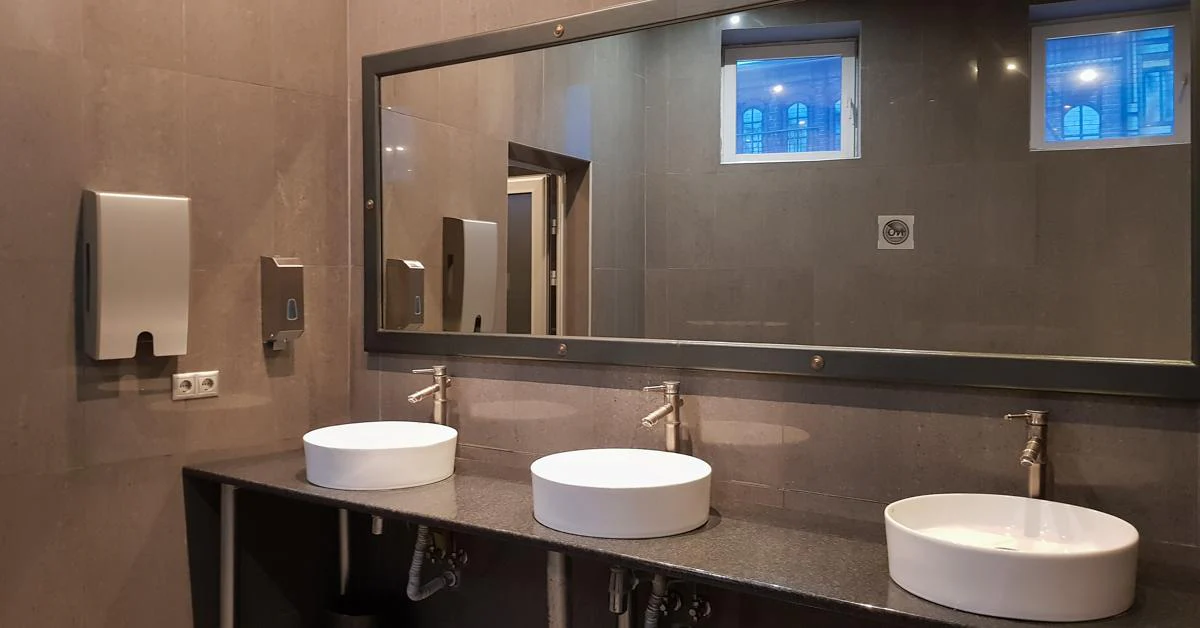
Designing a small bathroom to be fully accessible can be a challenge, but ADA compliant sinks make it possible to combine functionality, accessibility, and efficient use of space. Small bathrooms, whether in residential homes, apartments, or commercial facilities, require thoughtful planning to ensure that individuals with mobility limitations can use the sink comfortably. Selecting the right ADA-compliant sink is essential for maintaining compliance with the Americans with Disabilities Act (ADA) while maximizing usability in limited spaces.
One of the key challenges in small bathrooms is providing sufficient clearance for wheelchair users. ADA standards require specific knee and toe clearance under the sink, as well as a maximum rim height of 34 inches from the floor. Achieving these requirements in a compact space often means selecting sinks that are smaller in footprint but still fully functional. Wall-mounted, corner, and compact pedestal sinks are common solutions that provide accessibility while preserving floor space.
Wall-Mounted Sinks
Wall-mounted ADA sinks are ideal for small bathrooms because they free up floor space, making it easier for users to maneuver. These sinks can be installed at the correct height to provide the necessary knee and toe clearance, and their open design ensures that plumbing does not obstruct wheelchair access. Additionally, wall-mounted sinks can be paired with space-saving faucets, such as lever-operated or sensor-activated models, to further enhance usability. For homeowners and facility managers looking for a high-quality solution, an ADA Compliant Sink provides a range of options specifically designed to fit compact spaces while meeting ADA standards.
Wall-mounted sinks also offer design flexibility. They can be installed in narrow bathrooms without overwhelming the space and can be paired with small storage units or shelving above the sink for convenience. Modern designs include sleek, minimalist basins that blend seamlessly with contemporary bathroom aesthetics, proving that accessibility does not mean sacrificing style.
Pedestal and Corner Sinks
Compact pedestal sinks are another excellent choice for small bathrooms. While traditional pedestal sinks may not always meet ADA clearance requirements, specially designed ADA-compliant pedestal sinks allow for proper knee and toe space underneath. These sinks are sturdy, durable, and easy to clean, making them ideal for both residential and commercial applications.
Corner sinks are particularly useful in bathrooms where floor space is extremely limited. By fitting into corners, these sinks maximize available space while still providing the necessary clearances for wheelchair access. Corner sinks can also include built-in storage shelves above or below the basin, helping to keep small bathrooms organized without compromising accessibility.
Faucet and Accessory Considerations
In small bathrooms, the choice of faucet and accessories can greatly impact the usability of an ADA-compliant sink. Lever-operated, push-type, and sensor-activated faucets are recommended because they require minimal effort to use. Touchless sensor faucets are especially beneficial in tight spaces, as they eliminate the need to lean over or reach awkwardly to operate the faucet.
Other accessories, such as soap dispensers, mirrors, and paper towel holders, must also be carefully positioned to maintain accessibility. In small bathrooms, vertical wall-mounted accessories are often the most practical solution, keeping counters clear and providing easy access to essential items. Mirrors can be tilted or installed at a lower height to accommodate seated users, ensuring that the bathroom is fully functional for all individuals.
Material Choices for Small ADA Sinks
Durable and low-maintenance materials are important when selecting ADA-compliant sinks for small bathrooms. Stainless steel, ceramic, porcelain, and solid surface composites are common options. Stainless steel is highly durable and resistant to corrosion, making it suitable for high-traffic or commercial bathrooms. Ceramic and porcelain offer a classic look and are easy to clean, while solid surface composites provide a seamless, modern appearance. The choice of material affects both the aesthetics and longevity of the sink, so selecting the right option is crucial for small bathroom applications.
Installation Tips for Compact Spaces
Installing an ADA-compliant sink in a small bathroom requires careful planning. Wall reinforcement may be necessary for wall-mounted sinks to ensure stability. Plumbing adjustments are often required to provide adequate clearance underneath the sink. Measuring the available space and ensuring compliance with ADA height and clearance guidelines are essential steps in the installation process.
Benefits of ADA Sinks in Small Bathrooms
Despite space constraints, ADA-compliant sinks in small bathrooms provide safety, accessibility, and independence for all users. They allow wheelchair users and individuals with limited mobility to use the sink comfortably without obstruction. Small, well-designed ADA sinks also help maintain a clean and organized bathroom, while enhancing the overall usability and functionality of the space.
Conclusion
ADA-compliant sinks offer practical solutions for small bathrooms, combining accessibility, functionality, and design flexibility. Wall-mounted, pedestal, and corner sinks are ideal for maximizing limited space while maintaining ADA standards. By carefully selecting faucets, accessories, and materials, and planning for proper installation, small bathrooms can be transformed into fully accessible, user-friendly environments. Investing in an ADA-compliant sink ensures that even compact bathrooms provide safety, comfort, and independence for all users without compromising on style or practicality.