Philodendrons are popular tropical ornamental plants appreciated for their diverse foliage, attractive colors, and adaptability to indoor and greenhouse environments. Their popularity among plant collectors, retailers, and commercial nurseries has increased interest in reliable propagation methods. Tissue culture is one approach that supports the production of selected Philodendron varieties in controlled laboratory conditions.
For buyers exploring Philodendron Tissue Culture for Sale, choosing the right product involves more than comparing prices or selecting attractive varieties. Plant health, cultivar identity, supplier experience, and shipping arrangements all influence the quality of a purchase. Understanding these factors can help buyers make informed decisions and establish a dependable source of young plants.
1. Understand What Quality Philodendron Tissue Culture Looks Like
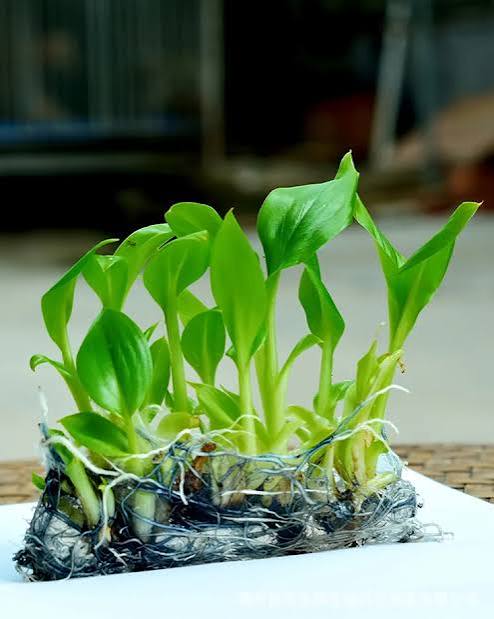
Tissue culture plants are propagated from plant material under controlled, sterile laboratory conditions. They are commonly supplied in culture vessels or after being transferred to an external growing environment.
Before purchasing, buyers should understand the characteristics of healthy plantlets at the specific stage being offered. A plant’s appearance may vary depending on its variety, age, and development conditions.
Look for these general quality indicators:
- Firm, well-developed leaves appropriate for the plant’s growth stage.
- Healthy-looking growing points.
- Suitable root development for the supplied stage.
- No obvious signs of decay or severe discoloration.
- Consistent development among plants in the same batch.
Ask the supplier for recent photographs or videos of available stock. Images should clearly show the plantlets rather than relying entirely on promotional pictures of mature plants.
2. Verify the Philodendron Variety and Cultivar Identity
Philodendrons include numerous species and cultivars, some of which have similar appearances during their early growth stages. Accurate identification is particularly important when purchasing rare or variegated varieties.
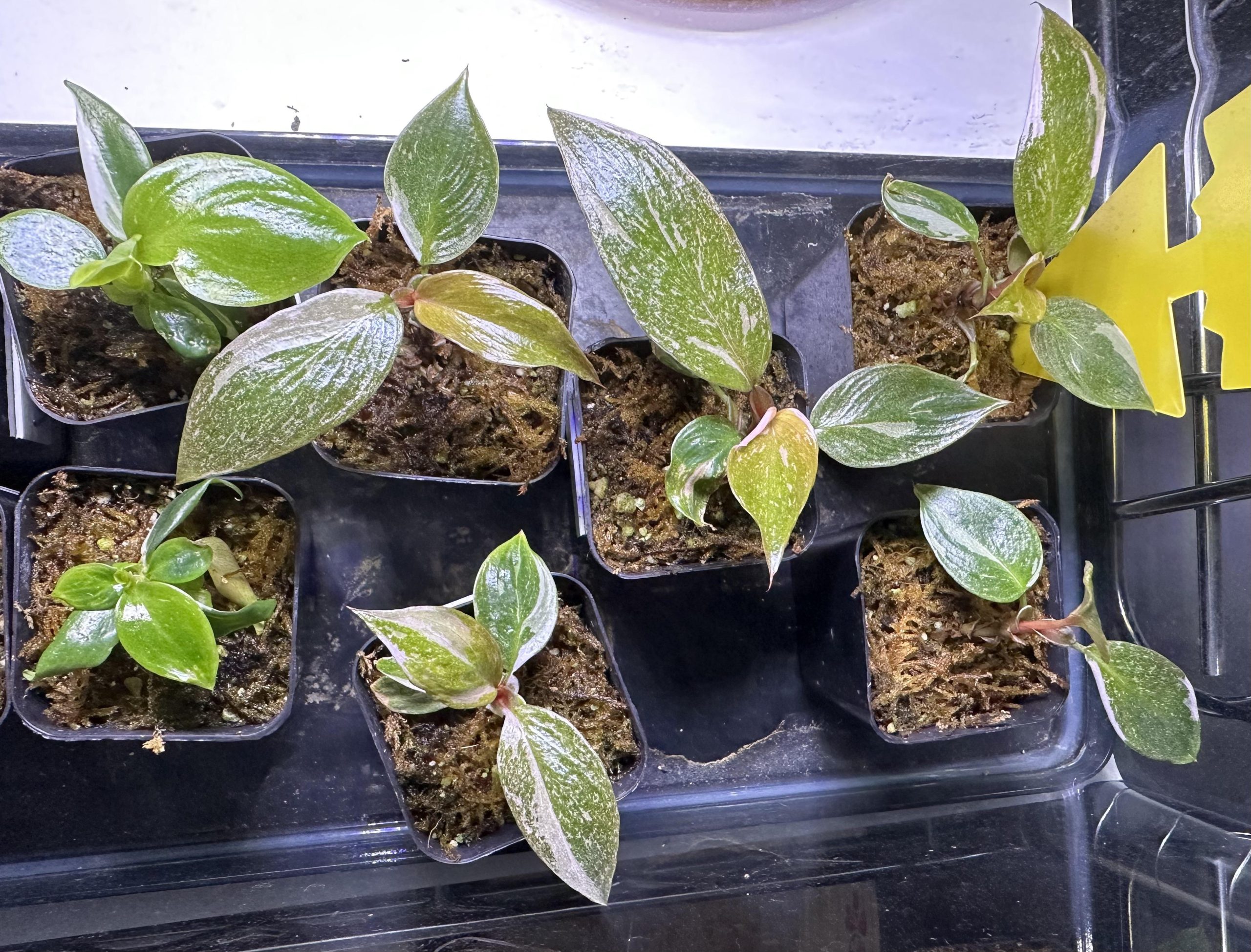
Popular options may include Pink Princess, White Knight, White Wizard, Gloriosum, Melanochrysum, and Micans. Each has different foliage characteristics and growth habits.
When reviewing a product listing, confirm:
- The correct botanical or cultivar name.
- Expected leaf shape and coloration.
- Whether the variety is climbing, trailing, or creeping.
- Any known variation in variegation.
- Whether the supplier uses consistent batch labeling.
For variegated varieties, remember that individual plants may develop different patterns. Tissue culture propagation does not automatically guarantee identical coloration across every plant.
3. Check the Plantlet Growth Stage
Suppliers may offer Philodendron tissue culture plants at different development stages. Knowing the stage before ordering helps buyers estimate the care and resources needed after delivery.
In-vitro plants: These remain inside sterile culture vessels and require careful removal and acclimatization.
Ex-vitro plants: These have been transferred from culture vessels and are adapting to conditions outside the laboratory.
Hardened-off plants: These have already undergone a period of adjustment and are generally more established in external growing conditions.
Ask the supplier about plant size, root development, leaf development, and acclimatization progress. This information is especially important for commercial nurseries planning labor requirements and greenhouse space.
4. Evaluate the Supplier’s Production Standards
The quality of tissue culture plants depends partly on the propagation procedures and quality control practices used by the supplier.
A professional supplier should be able to explain its general production process and how it monitors plant health. Important areas to discuss include laboratory sanitation, culture media preparation, contamination monitoring, and plantlet inspection.
A reliable production process should include:
- Clean and controlled laboratory conditions.
- Appropriate handling of plant material.
- Regular monitoring of culture vessels.
- Inspection for contamination.
- Clear identification of varieties and batches.
- Quality checks before packaging.
Buyers should avoid relying on broad claims such as guaranteed quality without supporting product information. Clear explanations and recent product evidence provide a stronger basis for evaluating a supplier.
5. Compare Pricing and Wholesale Conditions
Price is an important consideration, especially when purchasing large quantities. However, the cheapest option may not provide the best overall value.
Compare quotations based on the complete purchasing cost, including:
- Price per plantlet.
- Minimum order quantity.
- Packaging and handling charges.
- Shipping expenses.
- Import documentation costs.
- Estimated delivery time.
- Replacement or damage policies.
The supplied growth stage should also be considered. In-vitro plants may have a lower initial purchase price than more established plants, but they require additional care and acclimatization.
For commercial buyers, estimating the cost per successfully established plant can provide a more realistic comparison between suppliers.
6. Ask About Packaging and Shipping Arrangements
Proper transportation is essential for maintaining plant quality. Young tissue culture plants can be sensitive to physical damage, temperature fluctuations, excessive moisture, and extended transit times.
Before placing an order, ask how the supplier prepares plants for shipment.
Important questions include:
- How are culture vessels or plantlets protected during transit?
- What packaging materials are used?
- How long is the expected shipping period?
- Is shipment tracking available?
- What should buyers do if plants arrive damaged?
- Are special shipping arrangements available for larger orders?
International buyers should also check the plant import regulations of their destination country. Depending on local requirements, an import permit, phytosanitary certificate, or additional documentation may be necessary.
7. Assess Customer Reviews and Supplier Reputation
A supplier’s reputation can offer useful insight into its reliability. Reviews, customer references, and previous wholesale experience can help buyers understand how the company handles orders.
Look for feedback related to:
- Accuracy of product descriptions.
- Plant condition upon arrival.
- Variety identification.
- Packaging quality.
- Communication and order processing.
- Support when problems occur.
Do not rely on a single review or promotional testimonial. Consider the overall pattern of customer feedback and request references when placing a substantial wholesale order.
8. Start with a Sample Order When Possible
A sample order is a practical way to evaluate a new supplier before making a larger investment. It allows buyers to inspect the plants directly and assess their performance under actual growing conditions.
During the trial, pay attention to:
- Arrival condition: Check whether the plants are healthy and properly packaged.
- Product accuracy: Confirm that the delivered varieties match the order.
- Acclimatization response: Observe how the plantlets adapt to external conditions.
- Growth performance: Monitor root development and new leaf production.
Keep records of these observations. They can help determine whether the supplier is suitable for repeat purchases and larger production requirements.
9. Prepare Your Growing Environment Before Delivery
Even high-quality tissue culture plants need appropriate conditions after arrival. Preparing the growing area in advance can reduce handling problems and support successful establishment.
For most Philodendron varieties, useful growing conditions include:
- Bright, indirect lighting.
- Warm and relatively stable temperatures.
- Suitable humidity during acclimatization.
- Gentle air circulation.
- An appropriate, well-draining growing medium.
- Careful moisture management.
In-vitro plantlets require gradual adjustment because they have developed under protected laboratory conditions. Avoid exposing them immediately to strong sunlight, dry air, or sudden temperature changes.
10. Establish Clear Communication with the Supplier
Good communication helps prevent misunderstandings and makes the purchasing process more manageable. Before confirming an order, ensure that the supplier can answer questions about availability, plant specifications, production schedules, and delivery arrangements.
It is useful to confirm all important details in writing, including the selected varieties, quantities, growth stage, price, packaging, and expected dispatch date.
For ongoing wholesale purchases, regular communication can also help buyers plan future orders and stay informed about new varieties or production availability.
Conclusion
Choosing quality Philodendron tissue culture requires careful evaluation of plant health, variety identity, growth stage, production standards, and supplier reliability. Buyers should also consider pricing, shipping conditions, and the facilities needed to acclimatize young plants after delivery.
Requesting recent product images, checking supplier credentials, and testing a sample order can help reduce purchasing risks. With a clear evaluation process, collectors and commercial growers can make more confident sourcing decisions and build dependable relationships with tissue culture suppliers.