Great packaging rarely happens by accident. Behind every neatly folded carton, sturdy shipping box, and eye-catching retail package is a manufacturing process built on accuracy and consistency. The better the production equipment, the easier it becomes to maintain quality from the first sheet to the last.
For businesses involved in packaging, printing, and converting, a flatbed die cutter is often one of the most important machines on the production floor. It helps manufacturers create precise cuts, clean crease lines, and professional-looking products that meet modern market expectations.
The Growing Importance of Precision Packaging
Packaging has evolved far beyond simply protecting products during transportation.
Today, packaging serves multiple purposes:
- Protecting products from damage
- Supporting brand identity
- Improving customer experience
- Enhancing shelf visibility
- Providing important product information
Consumers often make purchasing decisions based on first impressions. A package that looks clean, professional, and well-designed can influence how a brand is perceived.
This is why manufacturers place such a strong focus on cutting accuracy and structural consistency.
What Is a Flatbed Die Cutting Machine?
A flatbed die cutting machine is industrial equipment designed to cut, crease, perforate, and emboss sheet materials using a custom-built die.
The machine works by pressing a steel-rule die against the material under controlled pressure. This creates precise shapes and fold lines according to the packaging design.
Unlike rotary systems that use cylindrical tooling, flatbed equipment uses a flat press configuration. This setup provides greater control when working with detailed designs and thicker materials.
How the Die Cutting Process Works
Although modern machines include advanced automation features, the core process remains straightforward.
Design Development
Packaging engineers create digital layouts that define cutting lines, fold locations, and structural elements.
Die Manufacturing
A steel-rule die is produced based on the approved design specifications.
Material Feeding
Sheets are loaded into the machine either manually or through an automated feeder.
Cutting and Creasing
The die applies pressure to the material, producing the required cuts and folds.
Output Delivery
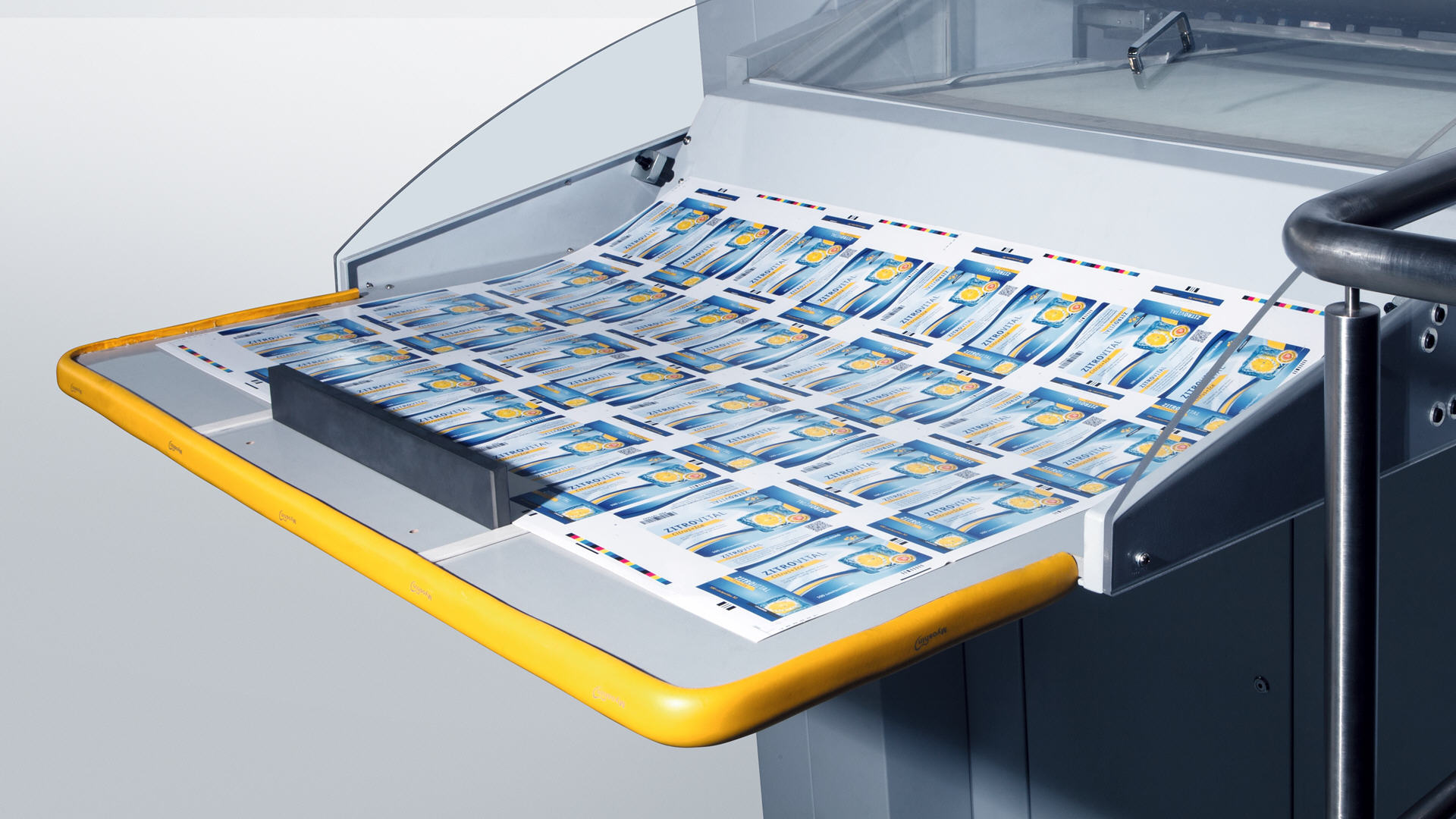
Finished sheets move to the next production stage, where they may be folded, glued, assembled, or packed.
The process delivers repeatable results across large production runs.
Benefits of Using Flatbed Die Cutting Equipment
Manufacturers continue to rely on flatbed technology because it offers several practical advantages.
Outstanding Accuracy
Packaging often involves complex shapes and detailed structural designs.
Flatbed systems can maintain tight tolerances, helping manufacturers produce consistent results across thousands of units.
Suitable for Various Materials
One machine can often process multiple substrate types, including:
- Corrugated board
- Folding carton stock
- Paperboard
- Kraft materials
- Plastic sheets
- Laminated materials
This flexibility allows businesses to serve different industries without investing in multiple cutting systems.
Strong Crease Quality
Accurate creasing is just as important as cutting.
Poor fold lines can create assembly issues, reduce package strength, and affect the final appearance of the product.
Flatbed machines are known for producing reliable crease lines that support smooth folding operations.
Reduced Material Waste
Precision cutting minimizes errors and lowers scrap rates.
Over time, even small improvements in material efficiency can generate meaningful cost savings.
Industries That Depend on Flatbed Die Cutting
Many sectors rely on this technology every day.
Packaging Manufacturers
Packaging companies use die cutting to create:
- Folding cartons
- Product boxes
- Corrugated packaging
- Subscription box packaging
Food and Beverage Industry
Food packaging requires consistency, hygiene, and structural reliability.
Flatbed systems help manufacturers achieve those standards.
Consumer Electronics
Electronic products often require protective inserts and custom packaging solutions that fit products precisely.
Pharmaceutical Packaging
Medicine cartons frequently include strict dimensional requirements and regulatory standards.
Precision equipment helps ensure compliance.
Commercial Printing
Print service providers use die cutting for:
- Promotional products
- Presentation folders
- Greeting cards
- Marketing materials
Flatbed vs Rotary Die Cutting
Businesses evaluating equipment often compare flatbed and rotary systems.
Flatbed Technology
Best for:
- Intricate designs
- Thicker materials
- Medium production runs
- Premium packaging applications
Advantages:
- Higher cutting precision
- Better handling of complex shapes
- Excellent creasing performance
Rotary Technology
Best for:
- Long production runs
- Simpler packaging designs
- High-speed operations
Advantages:
- Faster production rates
- Continuous workflow
- Efficient for large-volume jobs
Selecting the right option depends on production requirements rather than simply choosing the fastest machine available.
Features to Consider Before Purchasing
Buying industrial equipment requires more than comparing prices.
Production Capacity
Determine current and future production volumes before selecting a machine.
Equipment should support growth rather than become a limitation.
Sheet Size Compatibility
Consider the largest packaging format your customers may require.
Larger sheet capacities often increase production flexibility.
Automation Level
Modern systems may include:
- Automatic feeders
- Waste stripping units
- Sheet delivery systems
- Digital control panels
Automation can improve productivity while reducing manual labor requirements.
Registration Accuracy
Precise alignment between printed graphics and cutting lines is essential for high-quality packaging.
Maintenance Support
Reliable service and technical support can significantly reduce downtime.
Always evaluate supplier support options before making a purchasing decision.
A Practical Example from the Packaging Industry
A packaging supplier serving cosmetic brands experienced increasing demand for custom carton designs.
Their existing equipment required frequent manual adjustments, slowing production and increasing waste.
After investing in a modern die cutting system, the company achieved:
- Faster setup times
- Better cutting consistency
- Improved production efficiency
- Lower material loss
As a result, they were able to take on larger projects and strengthen relationships with key clients.
The investment paid for itself through improved operational performance.
Common Challenges and Solutions
Every production environment encounters obstacles from time to time.
Worn Tooling
Cutting performance gradually declines as dies wear down.
Solution: Implement routine inspection schedules and replace tooling when necessary.
Registration Errors
Misalignment can affect both appearance and functionality.
Solution: Regular machine calibration helps maintain accuracy.
Material Variations
Different substrates may react differently during production.
Solution: Conduct material testing before launching large-scale jobs.
Operator Experience
Advanced machinery requires skilled operation.
Solution: Invest in ongoing training and standardized operating procedures.
Future Trends in Flatbed Die Cutting
Manufacturing technology continues to evolve rapidly.
Several developments are shaping the future of die cutting equipment:
Increased Automation
Automated systems help reduce setup times and improve productivity.
Smart Manufacturing
Real-time monitoring allows operators to identify issues before they become costly problems.
Sustainability Initiatives
Manufacturers increasingly focus on reducing waste and improving material utilization.
Digital Integration
Modern production environments are becoming more connected through software-driven workflows and production management systems.
These advancements help businesses remain competitive while meeting growing customer expectations.
Conclusion
A flatbed die cutting machine remains one of the most valuable assets for packaging and printing operations that prioritize quality, flexibility, and efficiency. Its ability to produce accurate cuts, consistent crease lines, and reliable results across a variety of materials makes it a trusted solution for manufacturers worldwide.
Before investing in equipment, evaluate your production goals, material requirements, automation needs, and long-term growth plans. The right choice can improve productivity, reduce waste, and position your business for continued success in an increasingly competitive market.
When packaging quality matters, precision cutting technology is not simply a production tool—it becomes a foundation for delivering better products and stronger customer experiences.