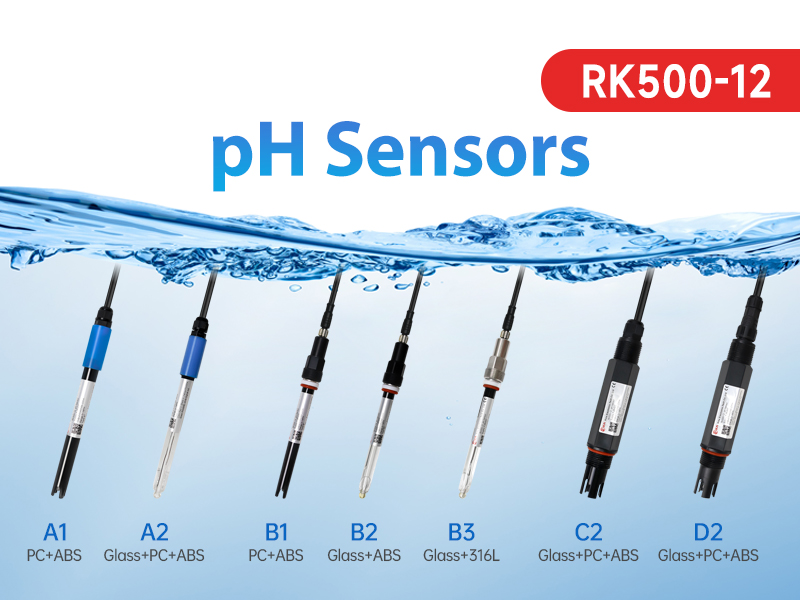
Maintaining optimal water quality is crucial for the health, growth, and productivity of aquatic species in aquaculture and fish farming. Among the key water quality parameters, pH plays a significant role in regulating biological processes, nutrient availability, and overall aquatic ecosystem stability. Accurate and continuous monitoring of pH helps farmers prevent stress, disease, and mortality in their stock.
Importance of pH in Aquaculture
Water pH directly affects the metabolism, respiration, and reproduction of fish and other aquatic organisms. Extreme pH levels can lead to physiological stress, decreased feed conversion efficiency, and increased susceptibility to disease. Modern aquaculture operations increasingly rely on pH sensors to continuously monitor water conditions, enabling timely adjustments and maintaining a stable environment conducive to healthy growth.
Monitoring and Maintaining Water Quality
In fish farming, pH levels must be kept within species-specific optimal ranges. Freshwater fish, for instance, thrive in slightly acidic to neutral water, while some marine species require slightly alkaline conditions. pH sensors provide real-time data, allowing operators to make rapid corrections by adding buffering agents or adjusting water exchange rates. Continuous monitoring helps prevent fluctuations that could otherwise lead to stress or even mass die-offs.
Role in Disease Prevention and Health Management
Stable pH levels help maintain a balanced aquatic environment, supporting the health of fish and other organisms. Rapid changes in pH can disrupt gill function, reduce oxygen availability, and promote harmful microbial growth. By integrating pH sensors into aquaculture systems, farmers can detect deviations early and take corrective action, thereby reducing the risk of disease outbreaks and ensuring optimal growth conditions.
Integration with Automated Systems
Modern aquaculture facilities often use automated systems for water quality management. pH sensors can be integrated with control systems that adjust aeration, chemical dosing, or water flow in response to sensor readings. This automation improves precision, reduces labor requirements, and ensures consistent water quality, which is particularly valuable in large-scale operations or recirculating aquaculture systems (RAS).
Enhancing Feed Efficiency and Growth
Optimal pH conditions improve feed utilization and growth rates. When water chemistry is balanced, fish metabolize feed more efficiently, leading to better weight gain and overall health. pH sensors help maintain stable conditions, ensuring that nutrient availability and metabolic processes are not negatively impacted by acidic or alkaline stress.
Applications in Hatcheries and Larval Rearing
Hatcheries and larval rearing facilities are highly sensitive to pH variations due to the vulnerability of young fish and larvae. Even small deviations can affect survival rates and development. pH sensors provide continuous monitoring, allowing hatchery operators to maintain precise water conditions that support high survival and growth rates in early life stages.
Maintenance and Calibration of pH Sensors
For reliable operation, pH sensors in aquaculture systems require regular calibration and maintenance. Cleaning the probe, checking the reference electrode, and storing the sensor according to manufacturer guidelines help maintain accuracy and longevity. Proper sensor care ensures continuous, dependable data that supports informed decision-making in water quality management.
Supporting Sustainable Aquaculture
Maintaining optimal pH levels contributes to sustainability in fish farming by improving feed efficiency, reducing disease, and minimizing the need for chemical interventions. Sensors enable farmers to monitor conditions in real time, make precise adjustments, and maintain environmental balance in tanks, ponds, or recirculating systems. This approach enhances productivity while reducing environmental impact.
Conclusion
pH sensors are vital tools in aquaculture and fish farming, providing accurate, real-time data that support healthy aquatic environments and efficient operations. By continuously monitoring water chemistry, these sensors help prevent stress, disease, and mortality, while improving growth rates and feed efficiency. Implementing pH sensors in aquaculture systems ensures optimal conditions for fish health, promotes sustainable practices, and enhances overall productivity.