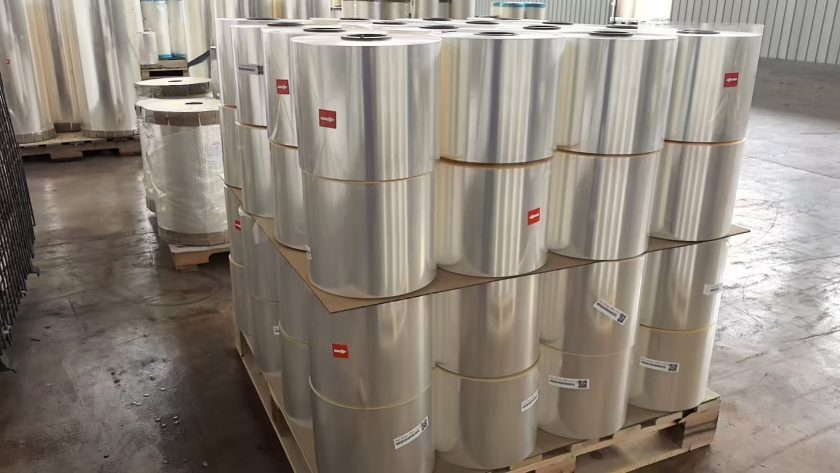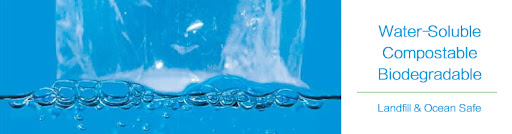
Polyvinyl alcohol (PVA) film is a versatile and innovative material widely used across industries for its water-soluble, biodegradable, and durable properties. Made primarily from polyvinyl alcohol polymers, PVA films are designed to dissolve completely in water while maintaining strength and stability during handling and storage. These unique characteristics make PVA films ideal for applications in packaging, pharmaceuticals, detergents, agriculture, and more. As industries increasingly seek sustainable and efficient alternatives to conventional plastics, understanding PVA film, its uses, and its benefits has become essential for businesses aiming to optimize operations and reduce environmental impact.
Top manufacturers provide high-quality PVA Film solutions that are tailored to meet specific industrial requirements. These films are produced using advanced extrusion and casting techniques to ensure consistent thickness, uniform solubility, and mechanical strength. By partnering with reputable suppliers, businesses can access films suitable for diverse applications, ranging from single-dose detergent pods to controlled-release agricultural products and pharmaceutical capsules. Customizable options allow companies to optimize solubility, tensile strength, and film thickness to meet precise operational and regulatory standards.
Definition of PVA Film
PVA film is a thin, flexible sheet made from polyvinyl alcohol polymers. Its primary feature is water solubility, which enables it to dissolve completely when exposed to water at specific temperatures. Despite this solubility, PVA films exhibit significant tensile strength and durability, making them suitable for handling and automated processing. They are also chemically stable and compatible with a wide range of substances, including detergents, fertilizers, pharmaceuticals, and other chemicals. The combination of solubility, mechanical performance, and environmental friendliness sets PVA film apart from conventional plastic materials.
Key Uses of PVA Film
PVA films are used across multiple industries due to their versatility and functionality:
- Packaging Industry: PVA film is widely used for single-dose detergent pods, laundry capsules, and cleaning products. The film dissolves in water, releasing the product efficiently while reducing spillage and waste. Its strength ensures the pod remains intact during handling and transportation.
- Pharmaceuticals and Healthcare: In the healthcare sector, PVA films are used for capsules, single-dose medications, and medical device packaging. These films are non-toxic, biodegradable, and compliant with regulatory standards, making them suitable for sensitive applications. Controlled dissolution ensures precise delivery of active ingredients.
- Agriculture: PVA films are used to package fertilizers, pesticides, and seeds in single-dose applications. By controlling the dissolution rate, these films enable precise and efficient delivery of agricultural chemicals, reducing environmental contamination and optimizing crop yield.
- Industrial Chemicals: Chemicals that require accurate dosing and safe handling benefit from PVA film packaging. The film prevents accidental exposure, improves workplace safety, and ensures accurate measurement during production processes.
- Food and Nutraceuticals: Specialty powders, flavorings, and supplements are packaged using PVA film for convenience, hygiene, and precise portioning. This application reduces waste and ensures consistent quality for end users.
Benefits of PVA Film
The adoption of PVA film offers numerous advantages for businesses:
- Environmental Sustainability: PVA films are biodegradable, reducing plastic waste and supporting eco-friendly initiatives. This aligns with global sustainability goals and consumer demand for green products.
- Convenience and Efficiency: Pre-measured single-dose packaging simplifies handling, reduces errors, and saves time in production and consumption.
- Safety and Hygiene: PVA films provide a sealed barrier that protects products from contamination and prevents direct contact with potentially hazardous substances.
- Customizability: The solubility, tensile strength, and thickness of PVA films can be tailored to meet specific operational requirements, enabling optimal performance across various applications.
- Cost-Effectiveness: While initial costs may be higher than conventional plastics, PVA films reduce operational waste, improve efficiency, and enhance product quality, resulting in long-term cost savings.
Conclusion
PVA film is a highly versatile material that combines water solubility, biodegradability, strength, and chemical compatibility. Its applications span packaging, pharmaceuticals, agriculture, industrial chemicals, and food supplements, offering a practical and sustainable alternative to traditional plastic materials. By understanding the definition, uses, and benefits of PVA Film, businesses can make informed decisions that enhance operational efficiency, ensure product safety, and contribute to environmental sustainability. Partnering with experienced manufacturers ensures access to high-quality, customizable films that meet precise requirements, enabling companies to stay competitive while adopting innovative and eco-friendly solutions.