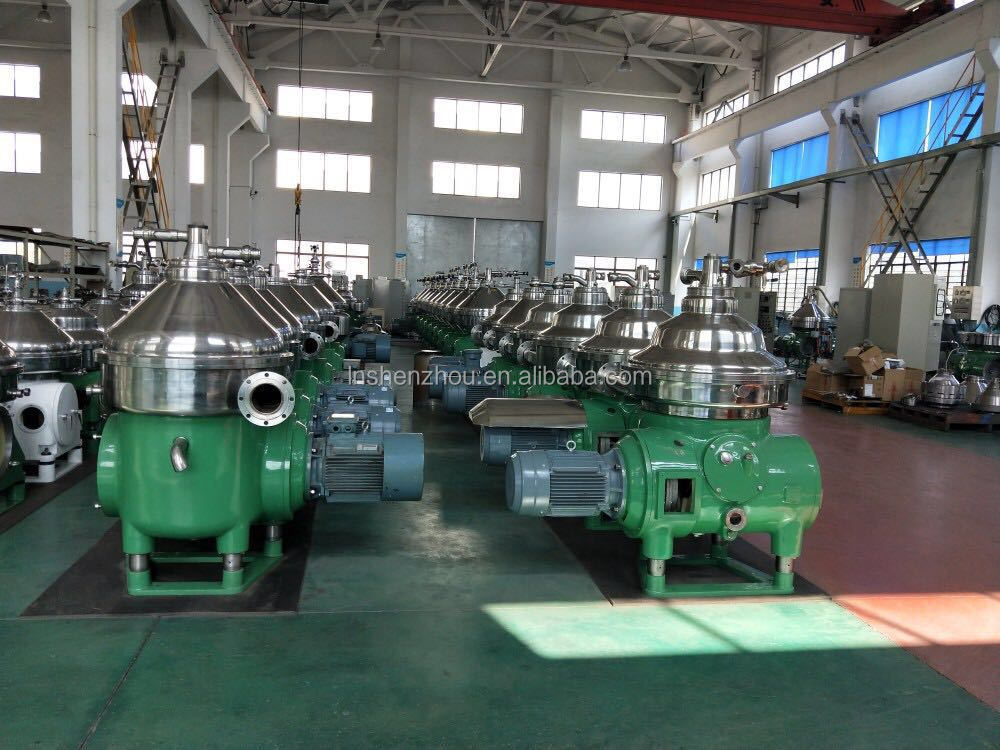
Feed conditions play a major role in the efficiency, stability, and separation quality of a centrifuge. Factors such as flow rate, temperature, solids concentration, viscosity, and feed composition can directly influence how effectively the machine separates liquids and suspended particles. In a Disc Stack Centrifuge, maintaining suitable feed conditions is particularly important because the separation process depends on controlled flow through the closely spaced disc stack.
Feed Flow Rate and Separation Efficiency
Feed flow rate is one of the most important operating parameters. When the flow rate is too high, the liquid may pass through the separation zone too quickly, reducing the time available for particles or liquid phases to migrate under centrifugal force.
A lower and properly controlled flow rate generally gives the separation zone more opportunity to remove fine particles. However, operating at an unnecessarily low rate may reduce overall processing capacity, so the optimum setting depends on the characteristics of the feed material and the required separation result.
Solids Concentration
The amount of suspended solids entering the centrifuge can significantly affect performance. High solids concentrations increase the load on the bowl and may cause solids to accumulate more rapidly.
If the solids load exceeds the machine’s handling capacity, discharge intervals may need to be adjusted. Excessive accumulation can also affect flow patterns and may contribute to vibration or reduced separation efficiency.
Feed Temperature
Temperature can influence liquid viscosity and, consequently, separation behavior. In many applications, increasing temperature reduces viscosity, allowing particles and liquid phases to move more readily through the separation zone.
However, temperature should remain within the operating limits of the equipment and the processed material. Excessive heat can affect seals, lubricants, product properties, or other machine components.
Viscosity of the Feed
Highly viscous liquids generally require more careful operating conditions because their resistance to flow can slow the movement of particles and separated liquid phases.
When viscosity changes during production, operators may need to adjust the feed rate or other process parameters. Consistent feed properties usually make it easier to maintain stable centrifuge performance.
Particle Size and Density
The size and density of suspended particles influence how readily they respond to centrifugal force. Larger and denser particles generally separate more easily, while very fine particles may require optimized operating conditions.
Feed materials containing a wide range of particle sizes can therefore produce different separation results. Understanding the physical properties of the solids helps determine appropriate centrifuge settings.
Feed Pressure and Distribution
Stable feed pressure helps maintain consistent flow into the centrifuge. Sudden pressure fluctuations can affect the distribution of material inside the bowl and may result in inconsistent separation.
The feed system should also introduce the material smoothly into the separation zone. Proper distribution reduces unnecessary turbulence and helps make better use of the available disc surface.
Managing Feed Conditions in Practice
Operators can improve consistency by monitoring several feed-related parameters rather than focusing on a single setting. Important factors include:
- Feed flow rate
- Temperature
- Solids concentration
- Viscosity
- Particle characteristics
- Feed pressure
- Changes in feed composition
Regular monitoring makes it easier to identify changes in separation performance and determine whether the cause is related to the incoming material or the centrifuge itself.
Matching Feed Conditions to the Application
There is no single set of feed conditions that works for every centrifuge application. A machine processing wastewater, edible oils, dairy products, chemicals, or industrial process liquids may encounter very different viscosity, density, solids, and temperature characteristics.
For this reason, equipment selection and operating adjustments should be based on actual process conditions. Manufacturers such as Shenzhou Machinery can provide equipment configurations designed around particular separation requirements, but the final operating parameters should always reflect the properties of the material being processed.
Conclusion
Feed conditions have a direct impact on disc stack centrifuge performance. Flow rate, solids concentration, temperature, viscosity, particle properties, and feed pressure can all influence separation efficiency and machine stability.
Keeping these variables within suitable operating ranges helps maintain consistent separation while reducing unnecessary stress on the equipment. Careful control of the feed is therefore an essential part of achieving reliable and efficient centrifuge operation.