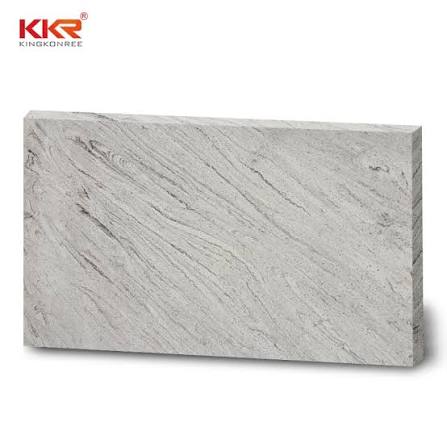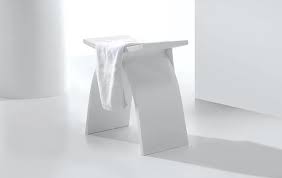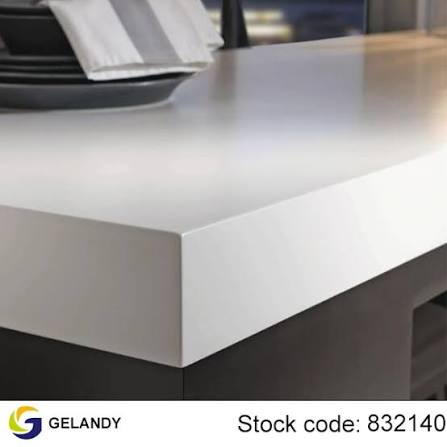
Solid surface materials are widely used in modern interior design because they can be adapted to different shapes, colors, dimensions, and functional requirements. From kitchen countertops and bathroom vanities to hotel reception desks and commercial wall panels, these materials provide architects, designers, and manufacturers with opportunities to create coordinated interior features. Customization is particularly valuable for projects that require specific visual details or components that are not available in standard product collections.
China has a diverse solid surface manufacturing industry, with suppliers offering different levels of product development and customization. Businesses exploring Solid Surfaces China can find options ranging from custom sheet colors to fabricated sinks and project-specific components. Understanding the available choices helps buyers communicate their requirements clearly, evaluate production capabilities, and select products that suit their intended applications.
1. Custom Colors and Decorative Patterns
Color is one of the most noticeable elements of a solid surface installation. Manufacturers may offer standard color collections as well as customized shades for projects that require a particular interior design theme.
Common customization possibilities include:
- Pure white and neutral shades
- Beige, cream, and warm gray tones
- Solid colors for minimalist interiors
- Marble-inspired patterns
- Granite-like visual effects
- Speckled and multicolor designs
- Custom shades developed for specific projects
Architects may request a color that matches cabinetry, flooring, wall finishes, or furniture. Commercial developers may also need a consistent shade across several buildings or locations.
When ordering customized colors, buyers should request physical samples and approve a reference sample before mass production. Digital images can help with initial selection, but screen settings and lighting conditions may affect how colors appear.
2. Sheet Thickness and Dimensions
Solid surface manufacturers may provide sheets in different thicknesses and sizes to accommodate various applications. Choosing the appropriate dimensions can help reduce unnecessary cutting, material waste, and fabrication expenses.
Customization options may involve:
- Standard and nonstandard sheet thicknesses
- Different sheet lengths and widths
- Project-specific cutting dimensions
- Special formats for decorative installations
- Components prepared for particular fabrication requirements
For example, a large reception counter may require different sheet dimensions from a small residential vanity. Selecting a suitable format can simplify fabrication and improve material utilization.
Buyers should confirm dimensional tolerances and available production limits before requesting nonstandard sizes. They should also consider transportation and handling requirements when specifying oversized sheets.
3. Surface Finishes and Textures
Surface finish influences both the appearance and practical use of a solid surface product. Manufacturers may offer several finishing options depending on the material formulation and production process.
Common choices include:
Matte finish: Provides a soft, understated appearance that works well in contemporary interiors.
Semi-gloss finish: Offers a moderate level of reflection while maintaining a balanced visual effect.
High-gloss finish: Creates a brighter appearance and may be selected for decorative applications.
Textured finish: Introduces additional surface character for selected design concepts.
The right finish depends on the location, lighting, maintenance expectations, and overall design scheme. Buyers should evaluate samples under lighting conditions similar to those of the final installation.
4. Custom Countertop Designs
Countertops are among the most common applications for solid surface materials. Their fabrication flexibility allows manufacturers and fabricators to create products suited to different layouts and interior requirements.
Customization may include:
- Straight or curved countertop profiles
- Different edge designs
- Integrated backsplashes
- Customized cutouts
- Special countertop dimensions
- Coordinated surface colors
- Prepared sections for installation
Residential kitchens, hotel bathrooms, reception areas, and retail environments may each require different countertop configurations.
Buyers should provide accurate measurements, technical drawings, and installation details when requesting customized countertops. Clear documentation reduces the risk of incorrect dimensions and unnecessary adjustments at the project site.
5. Integrated Sinks and Washbasins
Some solid surface products can be fabricated with integrated sinks or coordinated washbasins. This creates a continuous appearance between the basin and surrounding countertop, depending on the product design and fabrication method.
Manufacturers may offer different customization choices, including:
- Rectangular basins
- Oval or rounded designs
- Single-basin vanity tops
- Double-basin configurations
- Different basin depths
- Customized countertop lengths
- Coordinated backsplash arrangements
Integrated designs are frequently considered for hotels, residential bathrooms, commercial washrooms, and healthcare interiors.
Before ordering, buyers should confirm basin dimensions, drainage positions, mounting requirements, and compatibility with plumbing fixtures. They should also check whether the manufacturer supplies a finished component or only the material needed for local fabrication.
6. Customized Shapes and Curved Components
One advantage of many solid surface materials is that compatible products can be shaped using suitable fabrication techniques. This provides opportunities to develop curved or nonstandard components for distinctive interior designs.
Depending on the material and manufacturer’s capabilities, customization may include:
- Rounded countertop edges
- Curved reception desks
- Decorative wall features
- Circular or oval furniture components
- Special architectural profiles
- Custom-shaped vanity units
Thermoforming is one technique used to shape certain solid surface materials through controlled heating and forming. However, not every formulation has the same forming capabilities, so buyers should confirm the manufacturer’s technical recommendations.
Complex shapes may require special molds, fabrication equipment, and additional production time. Providing detailed drawings and design references can help manufacturers assess feasibility before preparing a quotation.
7. Custom Furniture and Interior Components
Solid surface materials are also used in furniture and decorative interior applications. Their ability to be cut, shaped, and joined makes them suitable for various customized components.
Examples include:
- Reception desks
- Retail display counters
- Side tables
- Decorative shelving
- Hospitality furniture
- Vanity units
- Commercial work surfaces
For furniture projects, customization can involve dimensions, edge profiles, colors, structural details, and connections with other materials.
Designers should consider the intended load, support structure, installation method, and expected usage conditions. Solid surface material specifications should be matched to the functional requirements of the furniture rather than selected only for appearance.
8. Custom Wall Panels and Decorative Features
Wall panels made from solid surface materials can create coordinated interior finishes in commercial and residential spaces. Manufacturers may provide different panel dimensions, patterns, colors, and thicknesses for specific architectural concepts.
Customization possibilities include:
- Large decorative wall panels
- Feature walls
- Reception-area cladding
- Bathroom wall sections
- Coordinated panels for furniture
- Special cutouts and decorative details
Large panels require careful planning because dimensions, joint placement, support systems, and installation conditions influence the final result.
Buyers should provide the installation layout and relevant construction details when requesting custom panels. This helps ensure that the manufactured components are suitable for the intended wall structure.
9. Branding and Private-Label Customization
Businesses that distribute solid surface products under their own brand may require private-label services. Some manufacturers can support branding-related requirements as part of their production and export arrangements.
Depending on the supplier, available options may include:
- Customized product labels
- Branded packaging
- Product identification stickers
- Custom catalog materials
- Packaging artwork
- Private-label documentation
Private-label buyers should clarify logo formats, artwork approval procedures, minimum order quantities, and packaging specifications before production.
It is also important to establish which party owns the artwork and how the brand name may be used. Clear agreements help avoid confusion when placing repeat orders.
10. Custom Packaging for International Orders
Packaging customization is important when solid surface products are shipped across international markets. Different product dimensions and shapes may require different protective arrangements.
Manufacturers may offer packaging options such as:
- Protective film for surface protection
- Foam padding around vulnerable edges
- Reinforced cartons
- Wooden crates for suitable products
- Palletized sheet arrangements
- Customized package labels
- Shipment identification markings
For finished sinks, countertops, and irregular components, packaging should be designed around the product’s shape and areas that may be vulnerable during handling.
International buyers should request packaging specifications and photographs before shipment. They should also confirm whether wooden packaging complies with applicable destination-country requirements.
11. Custom Solutions for Commercial and Institutional Projects
Different commercial environments create different material requirements. A hotel, hospital, restaurant, office, and retail store may each need specific product configurations.
Manufacturers with suitable customization capabilities may support projects involving:
Hotels: Coordinated vanity tops, reception counters, and decorative surfaces.
Healthcare facilities: Washbasins, counters, and selected interior components designed around project hygiene and maintenance requirements.
Restaurants: Service counters and selected work surfaces that meet the project’s applicable material and cleaning specifications.
Offices: Reception desks, meeting-room furniture, and decorative wall features.
Retail stores: Display counters, branded fixtures, and customized furniture components.
For specialized environments, buyers should verify technical performance and relevant regulatory requirements. A customized appearance does not automatically mean that a product is suitable for every commercial application.
12. Digital Design Support and Technical Drawings
Customization often involves detailed communication between buyers and manufacturers. Digital drawings and technical documentation help translate design concepts into manufacturable products.
Depending on their capabilities, suppliers may work with:
- CAD drawings
- Dimensioned product sketches
- Three-dimensional models
- Color references
- Installation diagrams
- Cutting layouts
- Fabrication instructions
These materials help manufacturers understand the shape, dimensions, and technical requirements of a project.
Before approving production, buyers should review all drawings carefully. They should confirm measurements, openings, edge profiles, joint positions, and installation details to minimize errors.
13. Minimum Order Quantities and Customization Costs
Customized products may involve additional expenses compared with standard materials. These costs can arise from special raw material preparation, color development, molds, tooling, programming, production adjustments, and additional quality checks.
The total customization cost may depend on:
- Complexity of the requested design
- Number of customized components
- Required production quantity
- Material specifications
- Special colors or patterns
- Tooling and mold requirements
- Packaging arrangements
- Production schedule
Some manufacturers may require a minimum order quantity for customized colors or designs. Buyers should ask whether development charges can be reduced or shared across larger orders.
For smaller projects, selecting a standard product and customizing only the dimensions or fabrication details may be more economical.
14. Quality Control for Customized Solid Surface Products
Customized products require careful quality checks because their specifications may differ from standard production items. Manufacturers should have procedures for verifying appearance, dimensions, and relevant technical properties.
Important inspection areas include:
- Color consistency
- Surface finish
- Sheet thickness
- Dimensional accuracy
- Edge quality
- Visible defects
- Joint and bonding quality
- Packaging condition
Buyers should approve a sample or prototype before mass production whenever possible. For complex components, a first-article inspection can help identify design or manufacturing issues before the complete order is produced.
The final inspection criteria should be documented in the purchase agreement so that both parties understand the expected product requirements.
15. How to Communicate Customization Requirements to Manufacturers
Clear communication is essential for achieving the expected result. Vague requests can lead to differences between the buyer’s design concept and the manufacturer’s interpretation.
A useful customization brief should include:
- Intended application and project location
- Required product type
- Material composition or technical specification
- Color and finish reference
- Dimensions and thickness
- Drawings or design files
- Required quantity
- Fabrication and installation details
- Packaging requirements
- Expected production and delivery schedule
Buyers should also identify which specifications are mandatory and which allow flexibility. This helps manufacturers suggest practical alternatives when a requested design is difficult or expensive to produce.
16. How to Evaluate a Manufacturer’s Customization Capabilities
Not every manufacturer offers the same level of customization. Some focus primarily on standard sheets, while others may provide additional fabrication, design development, and finished components.
Before selecting a supplier, buyers should examine:
- Available production equipment
- Experience with customized projects
- Range of colors and finishes
- Ability to manufacture special dimensions
- Fabrication and thermoforming capabilities
- Sample development process
- Quality control procedures
- Production capacity
- Export and packaging experience
Reviewing previous project examples can provide useful insight into the manufacturer’s capabilities. Buyers should also request samples or prototypes to verify that the supplier can meet the required specifications.
Conclusion
Customization gives solid surface materials considerable flexibility for modern architectural, residential, and commercial applications. Manufacturers in China may offer options involving colors, patterns, sheet dimensions, surface finishes, integrated sinks, countertops, curved components, furniture, wall panels, branding, and packaging.
However, successful customization depends on clear specifications, realistic design requirements, and careful supplier evaluation. Buyers should provide technical drawings, approve samples, understand minimum order quantities, and confirm production and quality control procedures before placing large orders.
By matching customization options with practical project needs, architects, contractors, furniture manufacturers, and distributors can develop solid surface products that meet their design objectives while maintaining control over production costs, quality, and delivery expectations.