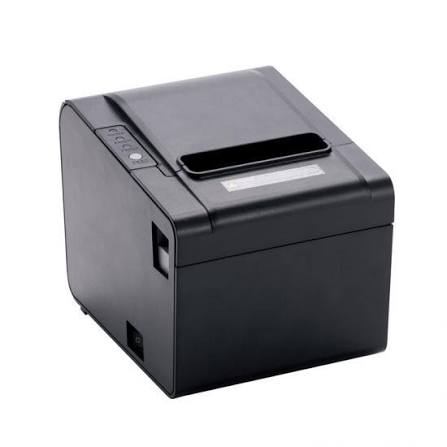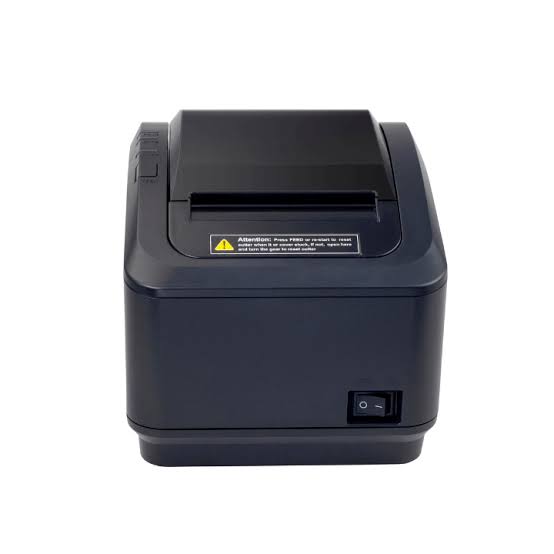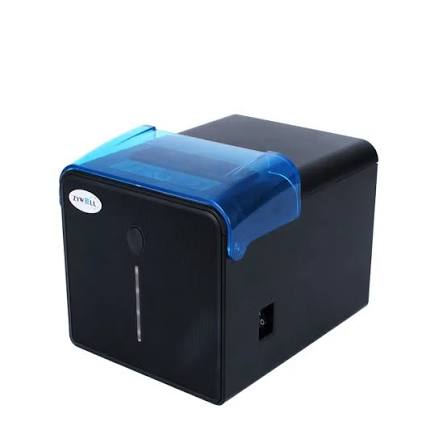
Businesses that rely on point-of-sale systems need dependable receipt printers to process transactions, issue customer records, and maintain smooth daily operations. When sourcing this equipment, buyers commonly encounter two types of suppliers: manufacturers and distributors. Although both can provide receipt printers, their roles, capabilities, and responsibilities differ in important ways.
Understanding these differences helps businesses make informed purchasing decisions, particularly when ordering equipment in large quantities or requiring customized solutions. Working directly with a Receipt Printer Manufacturer may offer greater access to product specifications and production capabilities, while distributors can provide convenient access to established products and local market support.
What Is a Receipt Printer Manufacturer?
A receipt printer manufacturer is a company responsible for designing, developing, assembling, and producing receipt printing equipment. Its operations may include product engineering, component sourcing, manufacturing, software integration, testing, and quality control.
Manufacturers create products for different commercial environments, including retail stores, restaurants, supermarkets, hotels, warehouses, and transportation services. Their product ranges may include thermal receipt printers, portable printers, desktop models, and specialized printing equipment.
Because manufacturers are directly involved in production, they generally have detailed knowledge of product construction, technical specifications, component selection, and manufacturing standards.
What Is a Receipt Printer Distributor?
A receipt printer distributor purchases finished products from manufacturers and supplies them to retailers, resellers, system integrators, and business customers. Distributors usually focus on product availability, inventory management, sales, logistics, and customer support.
Rather than producing printing equipment, distributors connect manufacturers with the businesses that need their products. They may represent several brands and maintain inventories of different printer models.
Some distributors also provide installation assistance, warranty coordination, technical guidance, and replacement services. Their exact responsibilities depend on their agreements with manufacturers and the services they offer.
Key Differences Between Manufacturers and Distributors
Although both play important roles in the receipt printer supply chain, their business activities are different.
1. Product Design and Development
Manufacturers are directly responsible for developing receipt printer products. Their engineering teams work on hardware design, printing mechanisms, connectivity, firmware, and other technical features.
Distributors generally do not control the original product design. They select products from available manufacturers and offer them to customers based on market demand.
For businesses requiring specific technical features, direct communication with a manufacturer can provide a clearer understanding of development possibilities.
2. Product Pricing and Cost Structure
Manufacturers and distributors operate with different cost structures. Manufacturers manage production expenses such as raw materials, labor, machinery, engineering, testing, and factory operations.
Distributors purchase finished products and add costs associated with warehousing, transportation, marketing, sales, and customer service. Their selling prices reflect these expenses as well as their commercial margins.
Buying directly from a manufacturer may offer cost advantages for large-volume orders, although minimum order quantities, shipping expenses, customization costs, and payment terms must also be considered.
3. Customization Capabilities
Manufacturers are generally better positioned to handle product customization because they control the production process. Depending on their capabilities, they may offer adjustments to printer dimensions, casing designs, interfaces, firmware, branding, packaging, or other specifications.
Distributors usually sell standard models that are already available in the market. Some may arrange customized products through their manufacturing partners, but their ability to influence technical changes is often limited.
Companies developing private-label products or requiring specialized equipment should evaluate the manufacturer’s customization capabilities before placing an order.
4. Product Knowledge and Technical Support
Manufacturers typically have access to detailed engineering information, production specifications, component details, and product testing data. This knowledge can be useful when businesses need technical explanations or solutions to complex product issues.
Distributors may provide practical support for installation, product selection, compatibility, and routine troubleshooting. However, they may need to contact the manufacturer when problems involve internal components, firmware development, or production-related defects.
Both channels can offer valuable assistance, but the depth and type of technical support may differ.
Advantages of Buying Directly from a Receipt Printer Manufacturer
Purchasing directly from a manufacturer can be suitable for businesses with substantial equipment requirements or specific product expectations.
Greater Control Over Product Specifications
Direct communication allows buyers to discuss technical requirements with the company responsible for production. This can help clarify printing resolution, speed, connectivity, paper compatibility, operating conditions, and other specifications.
It also reduces the possibility of misunderstandings when a project involves detailed technical requirements.
Better Opportunities for Bulk Purchasing
Businesses placing large orders may benefit from discussing production schedules, quantity-based pricing, and supply arrangements directly with the factory.
Manufacturers can also explain production capacity and expected lead times, helping buyers plan procurement more effectively.
Access to Custom Branding
Companies developing their own product lines may need customized logos, packaging, product labels, or other branding elements. Manufacturers can often coordinate these requirements during production.
The availability of such services depends on order quantities, design complexity, and the manufacturer’s production facilities.
Direct Communication About Quality Standards
Buying directly from a manufacturer allows businesses to ask about component selection, inspection procedures, product testing, and manufacturing consistency.
This information can help buyers evaluate whether the equipment meets their operational and commercial requirements.
Advantages of Buying Through a Distributor
Although direct purchasing has several benefits, distributors can provide advantages that are particularly useful for smaller businesses and buyers who prioritize convenience.
Convenient Product Availability
Distributors often maintain local or regional inventory, allowing customers to purchase equipment without waiting for a factory production cycle.
This can be valuable when a business needs replacement printers quickly or wants to purchase a small number of units.
Access to Multiple Brands
Some distributors represent several manufacturers, making it easier to compare different models through a single supplier.
Businesses can evaluate available options based on price, printing performance, connectivity, design, and compatibility.
Local Customer Service
A distributor operating in the buyer’s market may provide accessible communication, local delivery, installation assistance, and warranty coordination.
This can simplify the purchasing process, particularly for businesses that do not have experience importing electronic equipment.
Smaller Order Quantities
Manufacturers may establish minimum order quantities, especially for customized or wholesale production. Distributors can sometimes supply individual units or smaller batches from existing inventory.
For startups and small retailers, this flexibility can be more practical than placing a large factory order.
Manufacturer vs. Distributor: A Practical Comparison
The following table summarizes the main differences between these two sourcing options.
| Comparison Factor | Manufacturer | Distributor |
|---|---|---|
| Main responsibility | Designs and produces printers | Purchases and resells printers |
| Product development | Direct involvement | Usually limited involvement |
| Customization | Often offers production-based customization | Usually offers standard products |
| Pricing structure | Factory pricing and production costs | Resale pricing and distribution costs |
| Bulk orders | Suitable for large-volume procurement | Depends on available inventory |
| Minimum order quantity | May apply, especially for custom products | Often more flexible |
| Technical knowledge | Detailed production and engineering knowledge | Product selection and practical support |
| Product availability | Depends on production schedules and stock | May have ready-to-ship inventory |
| Local service | Depends on the manufacturer’s service network | May provide regional support |
| Branding options | May support OEM or private-label projects | Usually limited to available branding options |
These differences are general rather than universal. Some manufacturers maintain extensive sales and service networks, while some distributors offer specialized technical services and customized procurement arrangements.
Which Option Is Better for Different Business Requirements?
The right sourcing channel depends on order size, technical expectations, purchasing experience, and long-term business objectives.
Small Retail Stores
Small retail businesses often need only one or a few receipt printers. A distributor may be a convenient choice because it can offer available models, smaller quantities, and local assistance.
However, businesses planning to expand should also consider whether the distributor can maintain consistent product availability as their equipment requirements increase.
Restaurants and Hospitality Businesses
Restaurants often need receipt printers that integrate with POS systems, kitchen management software, and order processing platforms. Compatibility and reliable operation are important considerations.
A distributor may help identify readily available compatible models. For larger restaurant groups or businesses with specialized requirements, working directly with a manufacturer can provide more opportunities to discuss technical specifications.
Retail Chains and Supermarket Groups
Organizations operating multiple locations may require consistent equipment across their branches. They may also need coordinated purchasing, predictable supply schedules, and long-term product availability.
Direct manufacturer relationships can be beneficial in these situations because buyers can discuss production capacity, bulk pricing, and standard product configurations.
Resellers and Private-Label Businesses
Companies that plan to resell receipt printers under their own brands may benefit from working directly with manufacturers that support OEM or private-label arrangements.
Manufacturers can potentially coordinate product branding, packaging, and selected technical specifications. Distributors may still be useful when businesses want to resell established brands without managing a direct manufacturing relationship.
Important Factors to Consider Before Choosing a Supplier
Before selecting a manufacturer or distributor, businesses should evaluate several practical factors.
- Product quality: Review construction, printing performance, component reliability, and available testing information.
- Technical compatibility: Confirm that the printer supports the required POS software, operating systems, interfaces, and paper formats.
- Pricing and payment terms: Compare the complete purchasing cost rather than focusing only on the unit price.
- Order quantity: Determine whether the supplier can accommodate current demand and potential future purchases.
- Delivery arrangements: Check shipping options, production lead times, packaging, and delivery responsibilities.
- Warranty coverage: Understand the warranty period, claim process, repair arrangements, and availability of replacement parts.
- After-sales support: Confirm how technical problems, defective units, and product updates are handled.
- Supplier experience: Evaluate the supplier’s industry experience, product range, communication, and ability to meet agreed requirements.
Requesting product samples can also help buyers assess printing quality, connectivity, physical construction, and compatibility before committing to a large order.
Can Businesses Work with Both Manufacturers and Distributors?
Yes. Businesses do not necessarily need to choose only one sourcing channel. They can establish direct relationships with manufacturers for bulk procurement while using distributors for urgent replacement units or smaller purchases.
For example, a retail chain may purchase its main printer inventory directly from a manufacturer to maintain consistent equipment across locations. At the same time, it may use a regional distributor when an individual branch needs an immediate replacement.
This combined approach can provide greater purchasing flexibility. However, businesses should maintain clear records of model numbers, technical specifications, firmware versions, and warranty conditions to avoid inconsistencies between different supply channels.
Common Mistakes When Selecting a Receipt Printer Supplier
Choosing a supplier based only on the lowest quoted price can create problems later. A printer that does not support the required POS system or cannot handle the expected transaction volume may increase operational costs.
Another common mistake is overlooking after-sales service. Even reliable equipment may eventually require maintenance, replacement parts, or technical assistance. Buyers should understand how support is provided before completing a purchase.
Businesses should also avoid assuming that every manufacturer offers customization or that every distributor provides local technical services. These capabilities must be confirmed directly.
Finally, buyers should consider long-term supply stability. A supplier should be capable of supporting future orders, maintaining product consistency, and communicating changes to specifications or product availability.
Conclusion
Receipt printer manufacturers and distributors serve different but complementary roles in the supply chain. Manufacturers focus on product development, production, quality control, and customization, while distributors concentrate on product availability, resale, logistics, and market-level support.
For large-volume orders, private-label projects, or specialized technical requirements, purchasing directly from a manufacturer may offer greater control and production access. For smaller purchases, urgent replacements, or local service needs, a distributor may provide a more convenient solution.
By comparing product quality, pricing, customization, delivery, technical support, and long-term supply capabilities, businesses can select the sourcing approach that best supports their operational requirements.