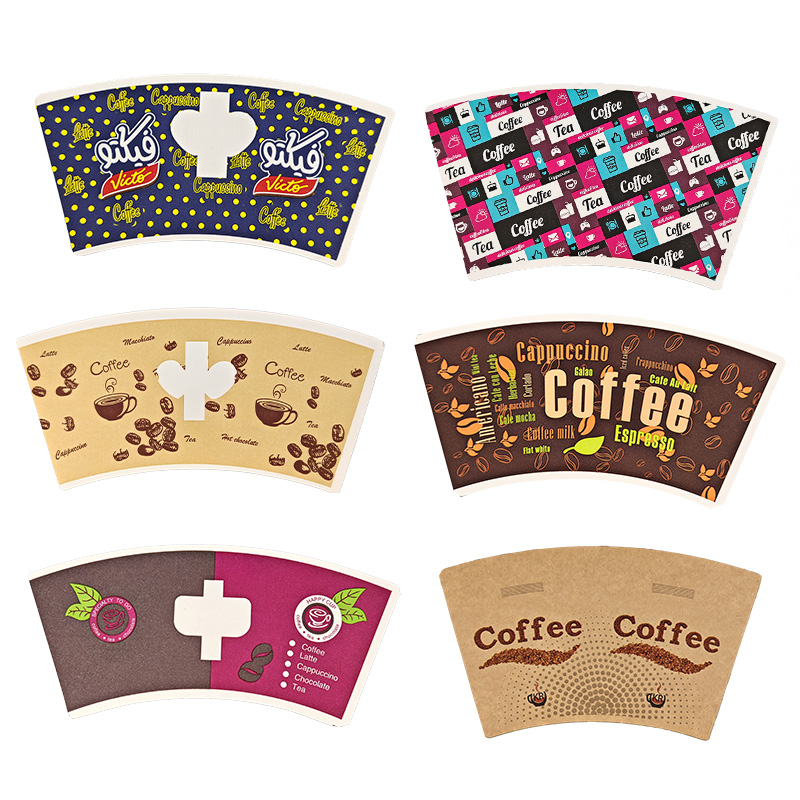
A disposable paper cup consists of more than its visible sidewall. The bottom component is equally important because it helps complete the container and contributes to its ability to hold liquid during normal use. In many manufacturing operations, bottom discs are produced from a dedicated paper material supplied in roll form. Selecting the correct bottom roll paper is therefore an important step in maintaining reliable cup production.
When sourcing Bottom Roll Paper, manufacturers should consider the relationship between the paper specification, coating system, cup dimensions, and bottom-sealing equipment. A suitable material must not only meet the required physical properties but also work consistently during cutting, feeding, and attachment to the cup body.
What Is Bottom Roll Paper?
Bottom roll paper is a paper-based material supplied in rolls for producing the circular or shaped bottom components of paper cups. Depending on the manufacturing setup, the roll is fed through cutting equipment that creates individual bottom discs.
These discs are then supplied to the cup-forming stage, where they are positioned and attached to the sidewall. The bottom component must match the cup’s design and form a reliable connection with the surrounding paper structure.
Although the bottom disc is relatively small compared with the sidewall, its specification should not be treated as secondary. An unsuitable material can affect sealing, feeding, and finished-cup performance.
Start With the Cup Design
The first step in choosing bottom roll paper is identifying the cups that will be manufactured. Different cup capacities and geometries may require different bottom-disc dimensions and material properties.
Review the following details:
- Cup capacity and overall dimensions
- Bottom diameter and disc geometry
- Paper grammage and thickness
- Coating type and coating weight
- Required roll width and diameter
- Compatibility with the cutting and forming equipment
Manufacturers should share accurate technical information with the supplier. If several cup sizes are produced on the same line, identify the specifications required for each size rather than assuming one grade will work for all products.
Selecting the Appropriate Paper Grade
The base paper contributes to the structure of the bottom disc. Its grammage, thickness, and stiffness should be considered in relation to the cup design and manufacturing process.
A grade that is too light for the application may not provide the required structural characteristics. Conversely, choosing an unnecessarily heavy material can increase material consumption without delivering a meaningful improvement.
Thickness should be evaluated separately from grammage because these measurements describe different properties. Buyers should request both values where available and compare samples under practical conditions.
Paper uniformity is another consideration. Variations across the roll can affect cutting consistency and may create differences between finished bottom discs.
Understanding the Coating Requirement
Bottom paper used in liquid-holding cups generally needs a suitable barrier construction. Polyethylene is commonly used for this purpose, although other coating technologies may be available.
The coating arrangement should be selected according to the bottom component’s position and the cup’s design. It must be compatible with the sealing process used to connect the disc to the sidewall.
Important details include coating weight, coating uniformity, surface condition, and suitability for the intended sealing method. Buyers should ask the supplier to explain how the material is designed to perform in the relevant production process.
The finished cup should be tested rather than relying only on the raw material description. For food and beverage packaging, obtain applicable food-contact documentation for the complete material construction.
Check Roll Dimensions and Handling Properties
Correct paper specifications are not enough if the roll cannot be handled efficiently by the equipment.
Width: The roll width should match the cutting system and the required production layout.
Diameter: The outer roll diameter must be suitable for the unwinding equipment and planned production runs.
Core size: The core should fit the machine’s mounting arrangement.
Winding consistency: A properly wound roll can help maintain stable unwinding and reduce feeding interruptions.
Edge condition: Clean, undamaged edges support more predictable handling and cutting.
These characteristics should be confirmed before ordering, especially when replacing a material from an existing supplier.
Test the Material on Your Production Line
A sample trial is one of the most useful ways to evaluate bottom roll paper. During testing, observe whether the roll unwinds smoothly, whether discs are cut to the correct dimensions, and whether the material feeds consistently.
At the forming stage, assess bottom positioning and sealing. Look for incomplete attachment, wrinkles, irregular shapes, or other defects that may affect the finished cup.
The final product should be checked under its intended conditions. Depending on the application, this may include liquid-holding tests, temperature exposure, and handling assessments.
Record the results and retain an approved sample as a reference for future deliveries. This can make quality comparisons easier when purchasing repeat quantities.
Supplier Evaluation and Documentation
A reliable supplier should be able to provide clear information about paper grade, grammage, thickness, coating arrangement, and roll dimensions. Ask whether technical specifications can be maintained across repeat orders and how variations are managed.
Commercial details should also be clarified. These include minimum order quantities, delivery schedules, packaging methods, and procedures for handling material that does not meet the agreed specification.
For food-contact applications, request the relevant declarations or test documentation. Do not rely on a general statement that the paper is suitable for food packaging without confirming the specific conditions and applicable requirements.
Storage and Material Protection
Bottom roll paper should be protected from excessive humidity, dust, and physical damage. Keep rolls in their original protective packaging until they are required for production, where practical. Follow supplier instructions for storage, handling, and acclimatization.
Proper stock rotation can also help businesses use materials in a planned sequence and reduce the risk of damage during long-term storage.
A Careful Choice Supports Reliable Cups
The right bottom roll paper should match the cup design, sealing method, and equipment requirements. Material weight, coating, dimensions, and winding quality all contribute to how effectively the roll performs during production.
By requesting complete specifications, testing samples, and maintaining documented quality standards, manufacturers can make better purchasing decisions and support more consistent disposable cup production.