Large industrial facilities often need to move significant quantities of material between storage, processing, and distribution areas. Mines, cement works, manufacturing plants, power facilities, and bulk terminals may operate multiple machines that depend on a steady supply of raw materials. If material transfer is poorly coordinated, equipment can remain idle, storage areas may become congested, and production schedules can be disrupted. A planned conveyor installation helps connect these operations into a coordinated handling network.
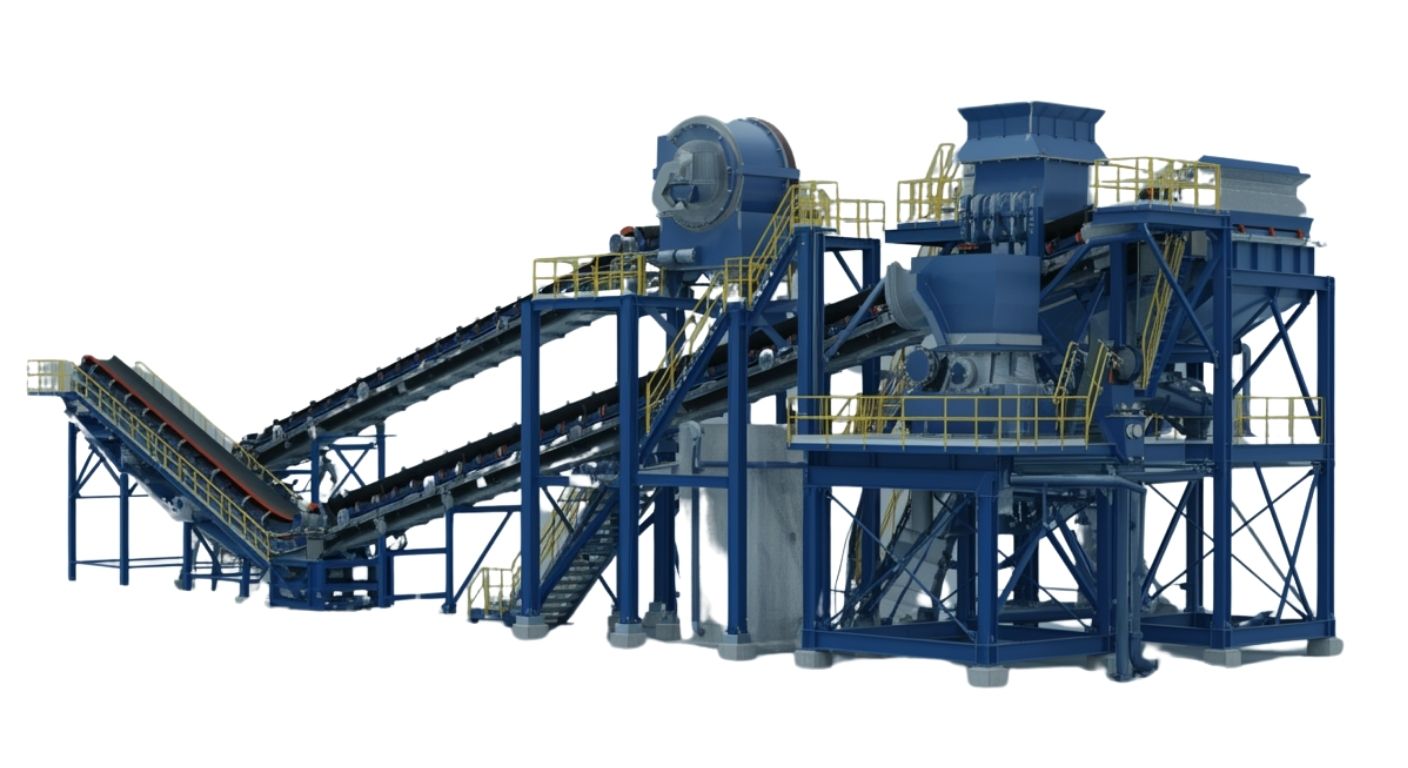
A Conveyor Plant is an industrial arrangement of conveying equipment and supporting systems designed to transport materials through a facility or between operational areas. It may include belt conveyors, transfer chutes, feeders, drives, support structures, loading points, sensors, and control equipment. The configuration depends on the material, route length, required capacity, terrain, and relationship between connected processes.
1. Creates a Continuous Material Transport Route
A conveyor plant can link several stages of material handling into a connected route. Materials may travel from a receiving area to a storage pile, then move toward a processing line or another production stage.
This arrangement reduces dependence on repeated short-distance transfers by mobile equipment. It also gives operators a defined path to monitor and manage.
The route should be designed to avoid unnecessary transfer points, sharp changes in direction, and excessive elevation changes. Each additional transfer point can introduce opportunities for spillage, wear, dust release, or blockage.
2. Matches Transport Capacity to Production Demand
Capacity is one of the most important factors in conveyor plant design. The system must deliver enough material to support downstream processes without creating excessive accumulation.
Engineers may need to consider belt width, speed, material density, loading profile, incline, and operating schedule. The required throughput should be evaluated across the entire process rather than for one conveyor section alone.
For example, a high-capacity belt cannot improve overall output if a feeder or receiving machine has a lower processing rate. Coordinated sizing helps prevent bottlenecks.
3. Accommodates Different Industrial Materials
Conveyor plants are used for a wide range of materials, including ores, aggregates, coal, cement ingredients, fertilizers, grains, and manufactured products.
The physical properties of each material affect the equipment configuration. Abrasive materials may require wear-resistant components, while fine powders may need enclosed transfer points or dust-control arrangements.
Moisture, temperature, particle size, bulk density, and flowability should be assessed during planning. These properties influence belt selection, chute geometry, loading arrangements, and cleaning requirements.
4. Supports Large-Scale and Long-Distance Handling
In facilities with extensive layouts, conveyors can transport material over distances that would otherwise require frequent vehicle movements.
Long conveyor routes may cross uneven terrain or connect separate buildings and processing zones. Such installations require attention to structural support, alignment, drive selection, tensioning, and access for inspection.
Inclined routes also need suitable design measures to prevent material rollback or uncontrolled movement. The choice of belt and drive system should reflect the load and route conditions.
5. Integrates Feeding, Storage, and Processing Equipment
A conveyor plant usually operates as part of a larger material-handling process. Feeders regulate the amount of material entering a conveyor, while transfer chutes direct it to the next section.
Storage equipment, stackers, reclaimers, screens, crushers, and processing machines may also form part of the connected system.
Controls should coordinate these components so that material moves only when the receiving equipment is ready. Interlocks and sensors can help prevent overloading and reduce the risk of material accumulating at transfer points.
6. Helps Organize Site Operations
A fixed conveyor route can reduce some of the traffic associated with moving material by trucks or forklifts. This may be useful in busy industrial sites where transport vehicles share space with employees and production equipment.
Nevertheless, conveyors require their own access and maintenance zones. The plant layout should preserve safe walkways, inspection platforms, emergency exits, and vehicle routes.
The system should also be planned around loading and unloading requirements so that material can be received and discharged without unnecessary delays.
7. Controls Dust and Material Spillage
Bulk handling can generate dust, particularly when dry materials fall between conveyors or strike transfer surfaces. Poorly designed chutes and loading points may also allow material to spill.
Enclosures, skirts, covered conveyors, extraction hoods, and suitable dust collection systems can help control emissions. The right combination depends on material characteristics and site conditions.
Regular cleaning is important because accumulated material can interfere with rollers, drives, walkways, and other equipment. Where combustible dust may be present, a qualified hazard assessment and suitable protection measures are necessary.
8. Maintenance Keeps the Plant Available
A conveyor plant contains many components that operate together. A fault in one section may affect the availability of the entire route.
Inspection programs should cover belts, idlers, pulleys, bearings, drives, chutes, support structures, sensors, and safety devices. Monitoring belt alignment, vibration, temperature, and unusual noise can help identify developing problems.
Planned maintenance, spare-parts availability, and clear shutdown procedures help reduce unplanned interruptions.
Conclusion
A conveyor plant supports industrial material handling by linking receiving, storage, processing, and distribution operations through a coordinated transport network. Its performance depends on suitable capacity, material compatibility, transfer-point design, dust control, and maintenance. With careful engineering and operational planning, it can provide a dependable foundation for continuous material movement.