Interior design projects increasingly focus on creating spaces that reflect individual preferences, architectural themes, and functional requirements. Standard materials can meet many everyday needs, but some concepts require unusual shapes, coordinated colors, integrated features, or dimensions that are not available in ready-made products. Custom solid surface manufacturing provides designers with additional flexibility to turn these ideas into practical interior elements.
Solid surface materials are used in residential, hospitality, retail, healthcare, and commercial environments because they can be fabricated into different forms and finishes. Through collaboration with an experienced Solid Surface Manufacturer, architects, designers, and project developers can explore customized solutions that align with their creative concepts while considering production limitations, installation requirements, and project budgets.
1. Creating Designs Beyond Standard Dimensions
Standard sheet sizes and prefabricated components do not always match the dimensions of a particular interior space. Custom manufacturing allows designers to specify measurements that better suit the layout and intended function of a project.
This flexibility can be useful for:
- Oversized kitchen islands
- Extended reception counters
- Customized bathroom vanity tops
- Wall-mounted surface features
- Specially sized workstations
- Decorative furniture components
Manufacturers can review drawings and dimensions to determine how a design can be produced efficiently. Accurate measurements are especially important when surfaces must fit around walls, cabinetry, plumbing connections, or existing architectural structures.
2. Developing Custom Colors and Patterns
Color selection has a significant influence on the atmosphere of an interior. Designers may need a particular shade to coordinate with cabinetry, flooring, wall finishes, lighting, or a client’s visual identity.
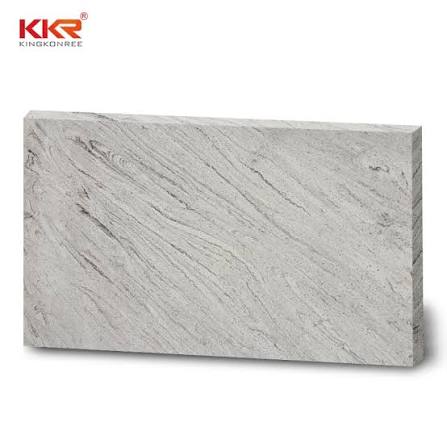
Custom solid surface manufacturing can provide options beyond standard color collections. Depending on the manufacturer’s capabilities, buyers may request specific colors, customized pigment combinations, or distinctive decorative patterns.
Possible design directions include:
- Minimalist white and neutral shades
- Deep colors for contemporary interiors
- Marble-inspired patterns
- Terrazzo-style appearances
- Speckled decorative finishes
- Colors coordinated with brand identities
Before approving a custom color, designers should request a physical sample. Lighting conditions and surrounding materials can influence how a shade appears in the finished space.
3. Supporting Curved and Sculptural Forms
Traditional rigid materials can be challenging to use when a design includes rounded edges, flowing contours, or sculptural elements.
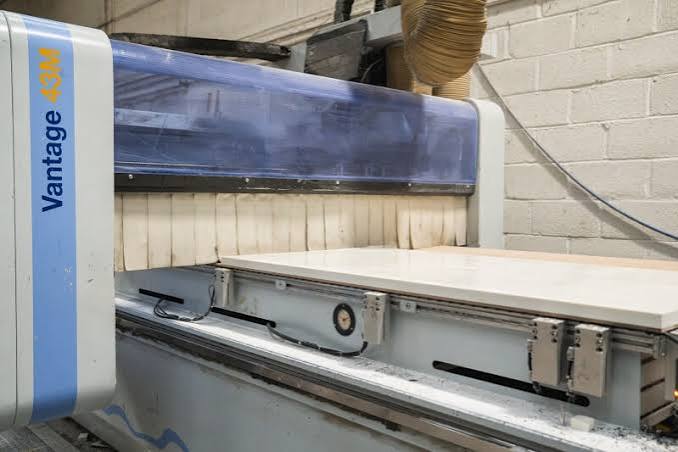
Certain solid surface materials, particularly suitable acrylic-based formulations, can be thermoformed under controlled conditions. This process involves heating the material and shaping it with appropriate molds or forming equipment.
Curved solid surface components may be used for:
- Rounded reception desks
- Curved kitchen islands
- Sculptural bathroom vanities
- Decorative wall features
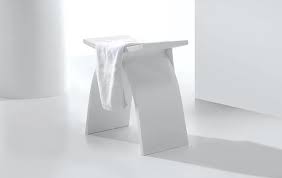
- Custom furniture
- Organic-shaped counters
The feasibility of a curved design depends on material composition, sheet thickness, minimum bending radius, and forming conditions. Designers should discuss these technical details before finalizing complex shapes.
4. Designing Integrated Basins and Countertops
Integrated features can create a coordinated appearance by reducing visible transitions between different components.
Solid surface manufacturing and fabrication techniques can support countertop and basin combinations in which the sink and surrounding surface are designed as a connected unit.
These solutions are commonly considered for kitchens, bathrooms, hotels, and commercial washrooms.
Potential advantages include:
- Coordinated colors and finishes
- Customized basin dimensions
- Consistent edge profiles
- Reduced visual interruption
- Design flexibility for unusual layouts
The final result depends on accurate fabrication, appropriate joining techniques, and professional installation. Designers should confirm drainage, plumbing access, support structures, and maintenance requirements during the planning stage.
5. Creating Distinctive Reception and Service Counters
Reception areas often establish the first visual impression of offices, hotels, healthcare facilities, and retail spaces. A custom-designed counter can reinforce the architectural character of the environment.
Solid surface materials can be fabricated into straight, curved, layered, or multi-level counter designs. They can also be combined with lighting, wood, metal, glass, and other decorative materials.
Customization may involve:
- Selecting a color that matches the interior theme.
- Developing the required counter dimensions.
- Choosing suitable edge profiles.
- Planning cable access and service openings.
- Coordinating decorative panels and lighting.
- Confirming fabrication and installation details.
Manufacturers can help evaluate whether the proposed design is practical to produce and transport.
6. Supporting Seamless-Looking Interior Surfaces
Some interior concepts depend on a clean, continuous visual appearance. Solid surface materials can be joined using suitable adhesives and finishing methods to create seams that are less noticeable than conventional joints.
This approach may be useful for long countertops, integrated vanity tops, large reception desks, and customized furniture.
Designers should consider seam placement during the drawing stage because component dimensions, access conditions, and transportation limitations can affect the final layout.
A seamless-looking result also requires skilled fabrication, suitable adhesive systems, correct surface preparation, and careful finishing. The manufacturer’s recommendations should guide the process.
7. Matching Surfaces Across Multiple Interior Elements
A coordinated material palette can help create visual consistency throughout a building. Rather than selecting unrelated products for each area, designers may use complementary solid surface colors and finishes across different components.
For example, a hotel project might use related surface designs for reception counters, guestroom vanities, restaurant service areas, and public washrooms.
Custom manufacturing can help maintain a consistent design direction by offering:
- Coordinated color selections
- Matching or complementary patterns
- Consistent surface finishes
- Related countertop and basin designs
- Repeatable product specifications
For large developments, it is important to approve reference samples and confirm how the manufacturer manages color consistency across separate production batches.
8. Incorporating Brand Identity into Commercial Interiors
Commercial spaces often use interior design to communicate a brand’s identity. Retail stores, corporate offices, restaurants, and hotels may incorporate specific colors, shapes, and visual details into their environments.
Custom solid surface products can support these requirements through tailored dimensions, color development, and distinctive component designs.
Examples include branded reception desks, retail display counters, service stations, and decorative wall features.
Designers should provide manufacturers with clear references, color specifications, drawings, and any relevant brand guidelines. This helps reduce interpretation differences during product development.
9. Developing Decorative Wall Panels and Architectural Features
Walls provide opportunities to introduce texture, color, and visual interest into an interior. Solid surface materials can be fabricated into panels and decorative components that complement furniture and countertops.
Custom wall applications may include:
- Feature walls in hotel lobbies
- Decorative panels in corporate offices
- Wall-mounted bathroom surfaces
- Retail display backgrounds
- Reception area cladding
- Custom architectural installations
When developing these elements, designers should consider panel dimensions, fixing methods, substrate requirements, expansion allowances, and access for maintenance.
Manufacturers can provide material information, while architects and installation teams coordinate the structural and construction details.
10. Designing Customized Furniture Components
Furniture design sometimes requires surface materials that follow unusual dimensions or combine with other construction materials.
Solid surface components can be used for tables, desks, shelving features, side units, display furniture, and customized storage elements.
Designers may specify particular edge profiles, curved shapes, integrated details, or matching finishes to create a consistent appearance.
For furniture applications, it is important to evaluate the required support structure and intended loading conditions. Solid surface material should be used according to its technical specifications rather than assumed to replace every structural component.
11. Adapting Designs to Different Interior Styles
Custom manufacturing allows designers to use solid surface materials across a wide range of visual styles.
A minimalist interior may benefit from simple shapes, neutral colors, and understated finishes. A luxury-inspired space might use marble-like patterns, sculptural forms, and coordinated decorative elements.
Other design directions may include:
- Contemporary interiors: Clean lines, geometric forms, and contrasting colors.
- Scandinavian interiors: Light shades, simple details, and natural material combinations.
- Industrial interiors: Dark surfaces paired with metal and exposed structural features.
- Luxury interiors: Refined finishes, coordinated patterns, and customized furniture.
- Organic interiors: Rounded forms and flowing contours inspired by natural shapes.
The ability to customize dimensions, finishes, and shapes helps designers adapt solid surface products to the visual language of each project.
12. Improving Functionality Through Custom Fabrication
Unique design concepts must also work in everyday conditions. A visually attractive surface may not be suitable if it creates difficulties with cleaning, access, installation, or regular use.
Custom fabrication can help address practical requirements during the design process.
For example, a kitchen counter may need specific openings for appliances, while a healthcare reception desk may require carefully planned service access and smooth surface transitions.
Designers should consider:
- Intended use and expected traffic
- Cleaning and maintenance needs
- Edge and corner details
- Plumbing and electrical access
- Surface support requirements
- Fabrication and installation limitations
Discussing these factors early helps prevent costly changes after production begins.
13. Using Prototypes and Samples to Refine Design Concepts
Custom projects often involve several design decisions that cannot be fully evaluated through drawings alone.
Samples and prototypes provide an opportunity to review the actual material before committing to full production.
A practical approval process may include:
- Reviewing initial design drawings.
- Selecting potential colors and finishes.
- Requesting physical material samples.
- Producing a prototype for complex components.
- Checking dimensions and fabrication details.
- Approving the final specifications.
Prototypes can reveal issues involving proportions, edge profiles, joints, surface appearance, and installation access. Resolving these issues before bulk production can reduce rework and delays.
14. Considering Sustainability in Customized Design
Sustainability is becoming an important consideration in architectural material selection. Custom manufacturing can contribute to more considered material planning when product dimensions and production quantities are carefully coordinated.
For example, accurate cutting plans may help reduce unnecessary offcuts. Durable products that can be maintained or refinished under appropriate conditions may also support longer service life.
Design teams can ask manufacturers about:
- Raw material sourcing
- Production waste management
- Energy-use initiatives
- Recycled content, where applicable
- Product maintenance requirements
- Environmental certifications and declarations
Environmental benefits should be evaluated using reliable documentation. Customization alone does not guarantee that a product has a lower environmental impact.
15. Managing the Cost of Custom Solid Surface Manufacturing
Custom products can involve additional expenses compared with standard materials. However, the final cost depends on the complexity of the design and the manufacturer’s production capabilities.
Important cost factors include:
- Material formulation and thickness
- Custom color development
- Special dimensions
- Mold and tooling requirements
- Thermoforming processes
- Prototype development
- Production quantity
- Packaging and transportation
Designers can control costs by distinguishing essential design features from optional details. Choosing a standard color, simplifying a curved profile, or using repeatable component dimensions may reduce production complexity.
Requesting a detailed quotation helps identify which custom requirements contribute most to the total price.
16. Coordinating Manufacturing with Installation Requirements
A customized component must be designed with its final installation environment in mind. Even accurately manufactured products can create problems if access routes, support structures, wall conditions, or service connections have not been considered.
Manufacturers, fabricators, architects, and contractors should coordinate important details before production.
These may include:
- Final site measurements
- Component segmentation
- Transportation dimensions
- Joining locations
- Support and fixing systems
- Plumbing and electrical openings
- Installation sequence
For large or complex components, checking access through doors, elevators, corridors, and stairways is particularly important.
17. Choosing a Manufacturer for Custom Interior Projects
The success of a customized solid surface project depends partly on selecting a manufacturing partner with suitable technical and production capabilities.
Design professionals should evaluate more than a supplier’s product catalogue. They should also examine its experience with non-standard designs and its ability to communicate throughout the development process.
Important selection criteria include:
Customization experience: Can the manufacturer produce the required shapes, colors, and dimensions?
Material knowledge: Can its team explain the characteristics and limitations of different formulations?
Technical support: Does it provide drawings, samples, specifications, and fabrication guidance?
Production capacity: Can it manufacture the required quantity within the project schedule?
Quality control: Are customized products inspected against approved specifications?
Communication: Can the manufacturer coordinate effectively with designers, fabricators, and contractors?
After-sales support: Are maintenance guidance and warranty conditions available?
Reviewing previous project examples and requesting samples can provide additional insight into a manufacturer’s capabilities.
Conclusion
Custom solid surface manufacturing gives architects and interior designers greater freedom to develop distinctive spaces through tailored colors, dimensions, patterns, integrated features, and sculptural forms. It can support a wide range of applications, from residential countertops and bathroom vanities to commercial reception desks, decorative wall panels, and customized furniture.
Successful results depend on combining creative ideas with practical manufacturing knowledge. By reviewing material specifications, using samples and prototypes, considering installation requirements, and selecting a capable manufacturing partner, design professionals can develop unique interior concepts that balance visual impact, functionality, and production feasibility.