Introduction
Modern architecture and interior design require materials that balance visual appeal, practical performance, and design flexibility. Architects and interior designers must consider how different surfaces will look, function, and perform throughout the life of a building. From residential kitchens and bathrooms to hotels, offices, healthcare facilities, and retail spaces, material selection has a direct influence on the quality of an interior.
Solid surface materials have become an interesting option for many contemporary projects because they offer smooth finishes, adaptable fabrication possibilities, and a wide range of design choices. Products such as KingKonree Solid Surface can be considered for applications where customized dimensions, coordinated colors, and integrated components are important. Understanding the reasons behind this material’s growing appeal helps design professionals evaluate its role in modern construction.
1. Greater Freedom in Interior Design
One of the main reasons architects and interior designers consider solid surface materials is their fabrication flexibility. Unlike materials that are primarily available in fixed shapes or standard formats, solid surface products can often be cut, shaped, and joined to meet specific project requirements.
This flexibility allows designers to explore different layouts without relying entirely on conventional countertop and panel dimensions.
Customized Shapes and Dimensions
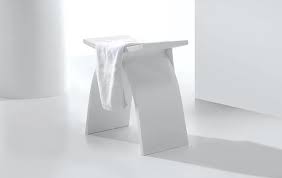
Solid surface materials can be fabricated into different sizes and shapes, depending on their composition and technical specifications. This is useful when a project includes curved countertops, unusual vanity configurations, or customized reception desks.
Designers can adapt surface elements to fit available spaces and architectural details.
Creative Architectural Features
Curved counters, integrated basins, decorative panels, and distinctive edge profiles can help create unique interior features.
These options are particularly valuable in projects where surface elements contribute to the overall architectural identity rather than serving only as functional components.
2. Seamless Designs for Contemporary Interiors
Minimalist architecture often emphasizes clean lines, continuous surfaces, and reduced visual interruptions. Solid surface materials can support this design approach through specialized joining and fabrication techniques.
Less Visible Joints
Professionally fabricated solid surface components can often be joined with nearly invisible seams. This creates a more continuous appearance than installations where individual sections have clearly visible connections.
Such designs are useful for long countertops, integrated vanity tops, and commercial reception counters.
Integrated Sinks and Basins
Solid surface materials can be used to create coordinated countertops and integrated washbasins. This reduces the visual separation between the basin and surrounding surface.
In kitchens, similar fabrication possibilities can help designers develop coordinated sink and worktop arrangements.
Consistent Surface Details
A continuous finish can help connect different areas of an interior. For example, a bathroom vanity, basin surround, and selected decorative features may use complementary surface materials to establish a unified design language.
3. A Wide Range of Colors and Finishes
Material appearance is an important consideration when developing an interior concept. Architects and designers need surfaces that coordinate with flooring, cabinetry, wall treatments, lighting, and furniture.
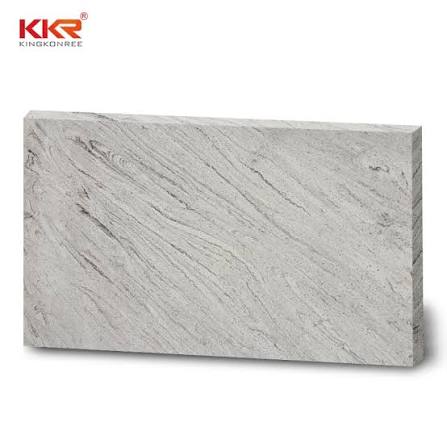
Solid surface products are available in various colors and decorative patterns, although the exact selection depends on the manufacturer’s range.
Neutral Colors for Minimalist Spaces
White, beige, cream, and gray are frequently used in contemporary interiors. These colors provide a simple foundation that can work with different furniture styles and decorative elements.
They are particularly suitable for modern kitchens, bathrooms, and office interiors.
Distinctive Colors for Feature Areas
Darker or more expressive shades can help create visual contrast in reception areas, retail environments, and hospitality spaces.
Designers may use these colors for counters or selected architectural features that need to stand out.
Different Surface Finishes
Matte and glossy finishes can create different visual effects. Matte surfaces generally produce a softer appearance, while glossy finishes reflect more light.
Selecting the right finish requires considering the lighting conditions, intended application, and maintenance expectations.
4. Practical Performance for Everyday Use
Architects and interior designers must look beyond appearance when selecting materials. Surfaces installed in kitchens, bathrooms, and commercial buildings experience frequent use and require suitable performance characteristics.
Many solid surface products offer non-porous construction, which can help limit liquid absorption and simplify routine cleaning.
Resistance to Everyday Stains
Kitchen countertops and bathroom vanities may come into contact with coffee, food residue, cosmetics, soap, and other common substances.
A suitable solid surface material can make these areas easier to clean, provided spills are addressed promptly and compatible cleaning products are used.
Smooth and Maintainable Finishes
Smooth surfaces allow users to remove many everyday contaminants with a soft cloth and an appropriate cleaning solution.
This characteristic can be helpful in environments where countertops and vanity tops require regular maintenance.
Understanding Performance Limitations
Solid surface materials are not completely resistant to scratches, impact, or excessive heat. Designers should review product specifications and account for expected usage.
Using cutting boards, heat-resistant mats, and appropriate cleaning tools helps protect installed surfaces.
5. Flexibility Across Different Building Types
Another reason design professionals consider solid surface materials is their suitability for a variety of interior applications.
The same general material category can be used in residential, hospitality, healthcare, retail, and office projects, provided the selected product meets the requirements of each application.
Residential Projects
In homes and apartments, solid surface materials may be used for kitchen countertops, bathroom vanities, integrated washbasins, and selected decorative elements.
Their customization possibilities can help accommodate both compact layouts and larger open-plan interiors.
Hotels and Hospitality Spaces
Hotels often require coordinated interiors that combine an attractive appearance with practical maintenance requirements.
Solid surface materials can be considered for reception desks, guest bathroom vanities, service counters, and other selected installations.
Healthcare Facilities
Hospitals and clinics require surfaces that can be maintained according to specific hygiene procedures. Smooth, non-porous solid surface products may be appropriate for selected counters and washbasins.
However, their suitability depends on verified material specifications and compatibility with the disinfectants used by the facility.
Retail and Office Environments
Retail stores and offices often use custom counters, workstations, and reception areas to create a recognizable interior identity.
Solid surface fabrication can support customized dimensions and coordinated finishes for these installations.
6. Support for Modern Bathroom Design
Bathrooms have evolved from purely functional rooms into carefully designed spaces focused on comfort, convenience, and visual consistency.
Solid surface materials provide several design possibilities for contemporary bathroom installations.
Customized Vanity Tops
Designers can specify vanity tops according to the available wall dimensions, storage arrangement, and basin requirements.
This is especially useful in apartments, hotels, and residential developments where bathroom layouts may vary.
Integrated Washbasins
Integrated basin designs create a coordinated appearance and can reduce visible joints around the washing area.
They are often considered for modern bathrooms where simple shapes and smooth transitions are preferred.
Coordinated Decorative Features
Solid surface materials can also be used for selected shelves, wall features, and basin surrounds. Matching or complementary finishes can help connect different bathroom elements.
7. Opportunities in Contemporary Kitchen Design
The kitchen is a central part of many modern homes, and its design must accommodate both practical activities and social interaction.
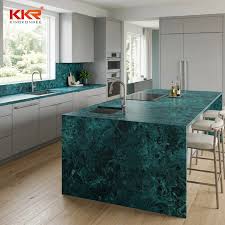
Solid surface materials can contribute to kitchen layouts through customized countertops, islands, and sink configurations.
Kitchen Islands
Large kitchen islands often serve several purposes, including food preparation, casual dining, storage, and social gatherings.
Custom-fabricated solid surface countertops can be designed around different island dimensions and edge profiles.
Coordinated Worktops and Backsplashes
Using related finishes for countertops and backsplashes can create a visually connected kitchen.
Designers should consider the relationship between these surfaces and cabinetry, appliances, lighting, and wall finishes.
Functional Sink Areas
Solid surface materials may be fabricated into selected sink configurations that complement the surrounding worktop.
Proper planning is required to accommodate drainage, faucet openings, plumbing connections, and regular cleaning needs.
8. Repairability and Long-Term Maintenance Considerations
Long-term maintenance is an important part of material selection, especially for commercial buildings and residential developments.
Some solid surface products allow minor surface scratches and imperfections to be addressed through suitable sanding or refinishing techniques.
This can be useful when a countertop or vanity needs cosmetic restoration without replacing the entire installation.
However, repairability depends on the material formulation, finish, and depth of damage. Deep cracks, structural problems, and damaged joints may require professional assessment.
Designers should also provide clients with maintenance instructions covering suitable cleaners, heat protection, and everyday surface care.
9. Design Consistency Across Large Projects
Large residential developments, hotels, and commercial buildings often include multiple rooms or facilities that need a consistent visual identity.
Solid surface materials can support this requirement through coordinated colors, finishes, and customized components.
Repeated Design Elements
A hotel may use similar vanity finishes across guest bathrooms, while a residential development may specify matching kitchen countertops in multiple units.
Consistent product selection can help create a unified appearance throughout the project.
Customization for Different Spaces
Although consistency is important, different areas may require different dimensions or configurations.
Solid surface fabrication can allow designers to retain a related visual style while adapting individual components to their intended locations.
Easier Specification Management
Selecting coordinated products for multiple areas can simplify material schedules and procurement planning. Architects should still confirm batch consistency, product availability, and technical specifications before ordering.
10. How Solid Surface Compares with Traditional Materials
Solid surface is not the only option available for contemporary interiors. Natural stone, quartz, ceramic, laminate, and wood all have applications in modern architecture.
The choice depends on design priorities and performance requirements.
| Material | Main Design Advantage | Important Consideration |
|---|---|---|
| Solid Surface | Custom shapes, integrated components, and less visible seams | Requires protection from excessive heat and sharp objects |
| Natural Stone | Distinctive natural patterns and generally high hardness | Some varieties require sealing and specialized care |
| Quartz | Consistent engineered appearance and good everyday durability | Repairs and heat exposure require consideration |
| Ceramic | Wide decorative range and suitable options for walls and floors | Grout joints may require additional maintenance |
| Laminate | Accessible pricing and numerous decorative patterns | Damaged areas can be difficult to restore |
| Solid Wood | Natural warmth and distinctive grain | Requires attention to moisture and surface protection |
This comparison shows why solid surface materials are often considered when customization and seamless design are important. Other materials may be more appropriate when natural variation, specific heat performance, or lower initial cost is the priority.
11. Factors Architects Should Evaluate Before Specification
Although solid surface materials offer useful design possibilities, architects and interior designers should verify several details before including them in project specifications.
Material composition: Review the resin system, mineral content, and relevant technical documentation.
Available dimensions: Confirm sheet sizes, thicknesses, and dimensional tolerances.
Fabrication capabilities: Check whether the supplier and fabricator can produce the required shapes, edges, joints, and integrated components.
Performance requirements: Evaluate scratch resistance, heat tolerance, stain performance, and chemical compatibility.
Color consistency: Request samples and confirm that the selected finish can be supplied consistently across the project.
Installation requirements: Consider supporting structures, joint details, plumbing connections, and access for maintenance.
Project budget: Include material, fabrication, transportation, installation, and future maintenance costs.
These checks help reduce specification errors and improve coordination between designers, suppliers, fabricators, and contractors.
12. The Role of Material Innovation in Future Interior Design
Interior design continues to evolve as architects explore more flexible layouts, customized components, and materials that support efficient maintenance.
Solid surface technology may continue to develop through improvements in material formulations, manufacturing processes, decorative finishes, and fabrication methods.
Potential areas of development include more varied surface patterns, improved production consistency, expanded customization options, and material solutions designed for specific commercial applications.
As these developments progress, architects and interior designers will need to evaluate new products through technical testing and project-specific performance requirements rather than relying solely on appearance or marketing claims.
Conclusion
Architects and interior designers choose materials according to a combination of visual, functional, and technical requirements. Solid surface materials attract attention because they can support customized shapes, coordinated finishes, integrated sinks, and relatively seamless designs.
Their applications range from residential kitchens and bathrooms to hotels, healthcare facilities, offices, and retail interiors. Smooth finishes and the non-porous construction of many products can also make routine cleaning more manageable when appropriate maintenance procedures are followed.
However, successful use depends on selecting the correct product, understanding its performance limitations, and ensuring professional fabrication and installation. By evaluating these factors carefully, design professionals can determine where solid surface materials offer meaningful advantages in modern architectural projects.