Wastewater treatment is essential for protecting public health, maintaining environmental quality, and supporting responsible water reuse. Municipal sewage, industrial effluent, and other wastewater streams can contain bacteria, viruses, organic pollutants, suspended solids, and chemical contaminants. Treatment facilities use a combination of physical, biological, and chemical processes to reduce these pollutants before water is discharged or reused.
Disinfection is often an important final treatment stage, particularly when wastewater contains microorganisms that could pose risks to people or receiving environments. Trichloroisocyanuric acid (TCCA) is a chlorine-based oxidizing compound that may be considered for selected disinfection applications when permitted by the relevant regulations. When assessing TCCA for Wastewater treatment, operators should evaluate wastewater characteristics, chlorine demand, residual control, by-product formation, and discharge requirements. Its suitability depends on the treatment objective and the quality of the effluent being managed.
Understanding TCCA and Its Disinfection Properties
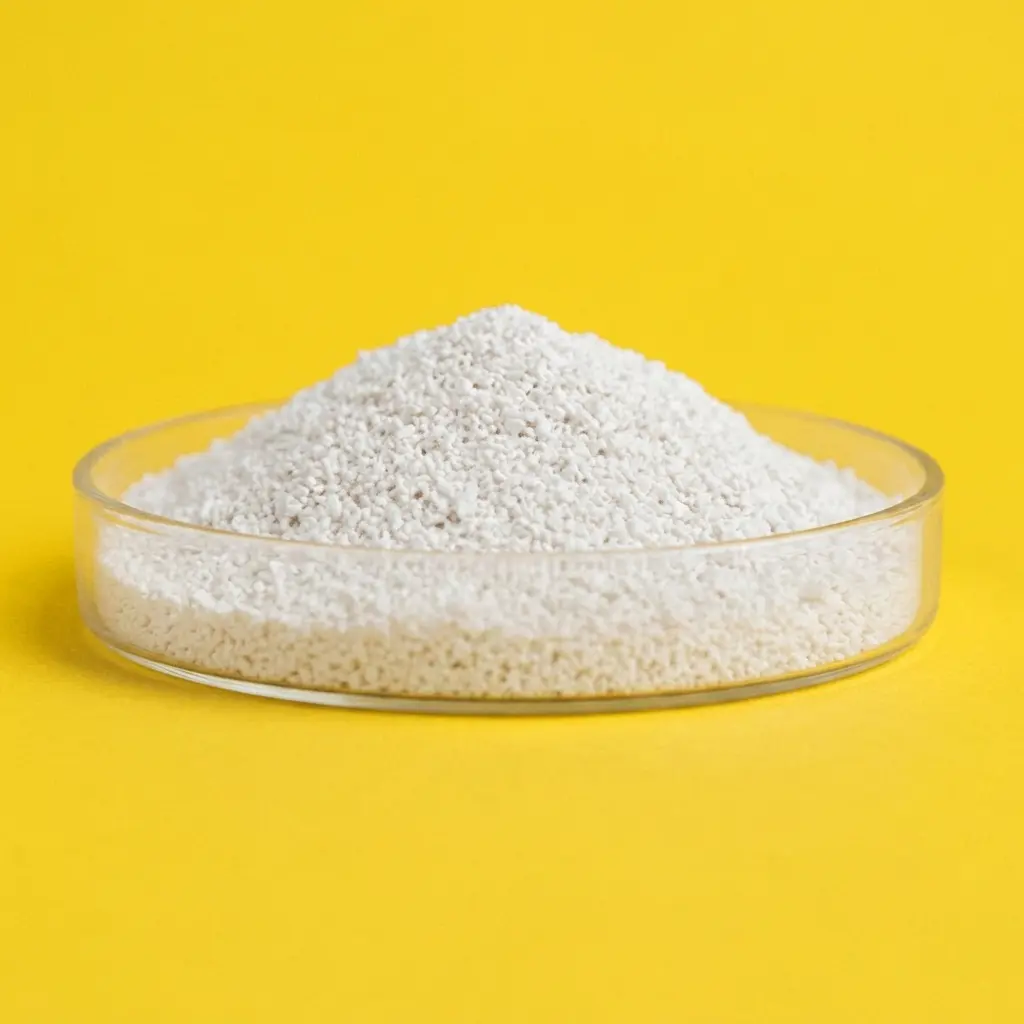
TCCA, or trichloroisocyanuric acid, is an organic chlorine compound with strong oxidizing properties. When it reacts with water, it releases active chlorine that can help inactivate susceptible microorganisms under appropriate treatment conditions.
Commercial TCCA products are commonly specified at approximately 90% available chlorine, although the actual specification should be verified through the manufacturer’s technical documentation and certificate of analysis.
The disinfecting action of chlorine involves oxidation of essential components of microorganisms. However, the effectiveness of treatment depends on factors such as pH, temperature, contact time, organic matter, and the amount of chlorine consumed by other substances in the wastewater.
TCCA should not be viewed as a complete wastewater treatment solution. It does not replace processes designed to remove suspended solids, reduce biochemical oxygen demand, remove dissolved pollutants, or address specific industrial contaminants.
Why Disinfection Matters in Wastewater Treatment
Wastewater may contain microorganisms originating from domestic sewage, industrial activities, agricultural runoff, and other sources. If inadequately treated water enters rivers, lakes, coastal areas, or reuse systems, it can create public-health and environmental concerns.
Reducing Microbial Contamination
Disinfection aims to reduce the number of viable microorganisms in treated effluent. Chlorine-based treatment can help control susceptible bacteria and other microorganisms when suitable conditions are maintained.
The required level of microbial reduction depends on the intended discharge or reuse application and the relevant regulatory standards.
Supporting Wastewater Reuse
Treated wastewater may be reused for certain non-potable purposes, such as landscape irrigation, industrial processes, or other applications permitted by local regulations. Disinfection can form part of the treatment train, but the required treatment level depends on the intended reuse.
Operators must verify that the finished water meets the applicable microbiological and chemical quality criteria before it is reused.
Protecting Receiving Water Environments
Effective wastewater management helps reduce the release of harmful microorganisms into natural water bodies. However, disinfection practices must also consider potential effects on aquatic organisms and the receiving environment.
Residual disinfectant and chemical by-products may require additional control before discharge.
Potential Applications of TCCA in Wastewater Systems
TCCA may be considered for selected wastewater disinfection tasks where the product is approved, technically suitable, and compatible with the treatment process.
Municipal Wastewater Effluent
Municipal wastewater treatment plants typically use primary and secondary treatment to remove solids and reduce organic pollution. Disinfection may follow these stages when required by discharge permits or reuse standards.
A chlorine-based disinfectant can form part of the final treatment process, but operators must account for the remaining organic matter and other chlorine-reactive substances in the effluent.
Industrial Wastewater
Industrial wastewater can vary widely in composition. Depending on the industry, it may contain oils, organic compounds, metals, suspended materials, or other substances that affect chlorine demand and treatment compatibility.
TCCA should only be considered after evaluating the wastewater characteristics and confirming that its use is permitted. Some industrial contaminants may react with chlorine or create undesirable by-products, making preliminary testing and professional process assessment important.
Wastewater Treatment Facilities and Auxiliary Systems
Certain facilities may use chlorine-based products for approved sanitation tasks involving suitable equipment or auxiliary water systems. These uses should be distinguished from direct treatment of the main wastewater stream.
The product label, safety data sheet, equipment compatibility requirements, and site-specific procedures should determine whether TCCA is appropriate.
Factors That Influence TCCA Disinfection Performance
Wastewater is more chemically complex than many other water sources. Its composition can change depending on industrial activity, weather, influent quality, and treatment performance.
Organic Matter and Chlorine Demand
Organic compounds can consume active chlorine, reducing the amount available for microbial inactivation. Wastewater with a high organic load may therefore require a more carefully designed disinfection process.
Effective upstream treatment is important because reducing organic matter before disinfection can improve treatment conditions and help manage chemical demand.
Suspended Solids and Turbidity
Suspended particles can shield microorganisms from disinfectant contact. They may also contribute to chlorine consumption and interfere with consistent treatment.
Clarification and filtration, where appropriate, can help reduce suspended solids before the disinfection stage.
pH and Temperature
Water pH affects chlorine chemistry and the proportion of active disinfecting species. Temperature can influence reaction rates and microbial behavior.
Operators should monitor both parameters and assess them as part of the overall treatment-control program.
Contact Conditions
Disinfection performance depends on sufficient exposure under suitable conditions. Contact time, flow characteristics, mixing, and the design of the contact system all influence treatment results.
Treatment facilities should validate their process rather than assume that a particular product will achieve the same outcome in every wastewater stream.
Chlorine Residual and Effluent Discharge Management
Managing chlorine residuals is a key consideration when chlorine-based disinfectants are used in wastewater treatment. Although a residual may indicate that chlorine remains available, excessive residual disinfectant can harm aquatic organisms in receiving environments.
Monitoring Residual Chlorine
Operators should measure residual chlorine using appropriate analytical methods. Monitoring points and limits should be established according to the treatment design, discharge permit, and applicable environmental requirements.
The amount of product added should never be used as a substitute for testing the actual effluent.
Dechlorination Requirements
Some discharge permits require chlorine residuals to be reduced before treated wastewater enters a receiving water body. Where dechlorination is necessary, it should be performed using an approved process with appropriate monitoring.
Facilities should verify that the final discharge complies with permitted limits rather than assuming that residual chlorine has disappeared after a fixed period.
Protecting Aquatic Ecosystems
Chlorine and certain chlorine-related compounds can affect aquatic organisms. Proper residual management and effluent monitoring help reduce potential environmental impacts.
Operators should also assess the receiving environment, discharge conditions, and any additional chemical restrictions established by local authorities.
Disinfection By-Products and Chemical Compatibility
Chlorine can react with organic and inorganic substances in wastewater, potentially forming disinfection by-products. The types and quantities depend on wastewater composition and treatment conditions.
Before selecting a chlorine-based disinfectant, operators should assess whether the wastewater contains substances that may react undesirably with chlorine. This is particularly important for industrial effluent with complex or variable chemical composition.
Where relevant, analytical testing should be used to identify potential by-products and verify compliance with discharge or reuse requirements.
Integrating TCCA into a Complete Wastewater Treatment Process
Disinfection should be part of a broader treatment strategy rather than a substitute for other necessary processes.
A typical wastewater treatment program may include:
- Preliminary treatment: Screens and grit-removal equipment help remove large debris and coarse materials.
- Primary treatment: Settling processes reduce suspended solids and associated pollutants.
- Secondary treatment: Biological processes reduce biodegradable organic matter.
- Tertiary treatment: Additional filtration or specialized processes address remaining contaminants where required.
- Disinfection: An approved method reduces microbial contamination.
- Final monitoring: Effluent testing confirms compliance with discharge or reuse requirements.
The exact treatment sequence depends on wastewater characteristics, plant design, and regulatory objectives.
Storage and Handling Safety
TCCA is a strong oxidizer and requires careful storage and handling. Its chemical properties make separation from incompatible substances particularly important.
Maintain Dry Storage Conditions
Store TCCA in its original, tightly closed packaging in a cool, dry, well-ventilated location. Protect it from moisture, rain, and excessive heat.
Separate Incompatible Chemicals
Keep the product away from acids, ammonia, reducing agents, oils, grease, combustible materials, and other incompatible chemicals. Never mix TCCA with other disinfectants or cleaning agents, as dangerous reactions and hazardous gas release may occur.
Use Appropriate Protective Equipment
Personnel should follow the product safety data sheet and workplace risk assessment. Suitable chemical-resistant gloves, eye protection, and protective clothing may be required.
Avoid breathing dust and prevent direct contact with skin and eyes. Storage areas should have clear labels, controlled access, and suitable emergency procedures.
How Buyers Can Evaluate TCCA Product Quality
Selecting a suitable product requires more than comparing available chlorine percentages. Buyers should evaluate technical specifications, documentation, packaging, and application suitability.
Available Chlorine Content
Available chlorine is a major product specification. Buyers should request a batch-specific certificate of analysis and verify that the stated value meets the required specification.
Product Formulation
TCCA is available in different physical forms, including powder, granules, and tablets. Their handling and dissolution characteristics differ, so the product form should be selected according to the approved process and equipment requirements.
Technical and Safety Documentation
Suppliers should provide a technical data sheet, safety data sheet, and certificate of analysis. Buyers should also verify any regulatory approval needed for the intended wastewater application.
Supplier Reliability
Consistent manufacturing quality, batch traceability, suitable packaging, and dependable technical support are important procurement considerations. Suppliers should be able to explain product specifications and handling limitations clearly.
Conclusion
TCCA is a chlorine-based oxidizing compound that may have a role in selected wastewater disinfection applications when its use is authorized and technically appropriate. Its performance depends on wastewater composition, chlorine demand, pH, contact conditions, and the ability to manage residual disinfectant.
Responsible wastewater treatment requires more than microbial control. Operators must also consider upstream pollutant removal, disinfection by-products, effluent quality, environmental discharge limits, and safe chemical handling. By evaluating product documentation and integrating disinfection into a complete treatment strategy, facilities can make better-informed decisions about wastewater management.