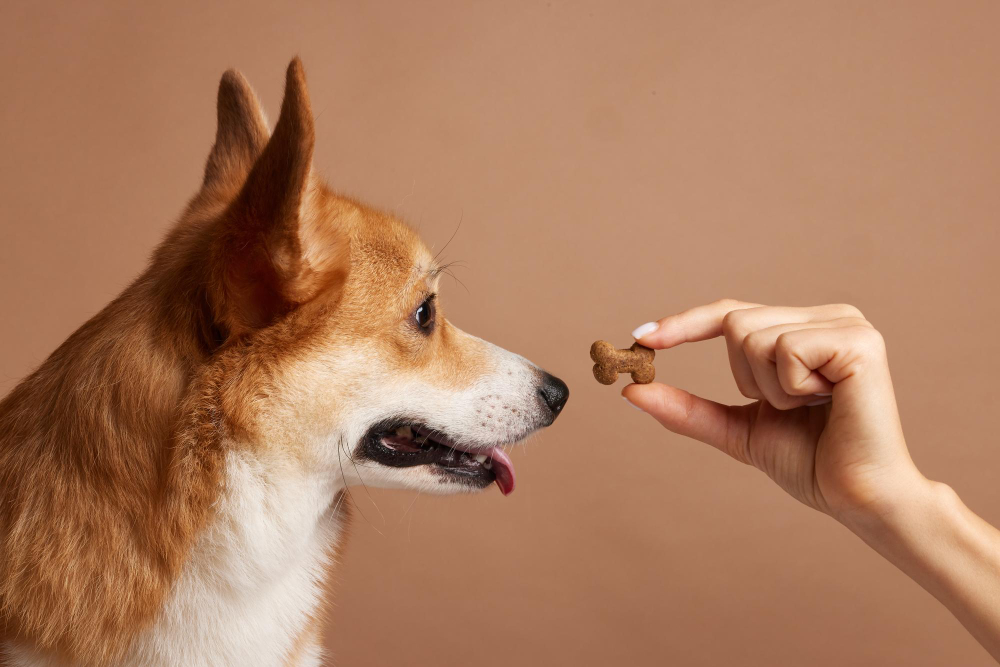
Pet owners are paying increasing attention to ingredient quality, nutritional value, and convenient feeding options when choosing food for their cats and dogs. Among the available product formats, freeze-dried pet food has gained interest because it combines moisture reduction with a process designed to preserve many characteristics of the original ingredients. Meat, poultry, fish, and selected plant ingredients can be processed into lightweight products that are convenient to store, portion, and prepare.
The growing popularity of Freeze Dried Pet Food is closely connected to demand for recognizable ingredients and alternative food formats. Freeze-drying removes water from frozen ingredients through sublimation under reduced pressure. Because the process generally limits exposure to high temperatures during much of the drying cycle, it can help retain flavor, structure, and selected nutrients. However, nutrient retention varies by ingredient and process, and freeze-drying does not automatically make a product sterile or nutritionally complete.
What Is Freeze-Dried Pet Food?
Freeze-dried pet food is made by removing most of the moisture from frozen ingredients using a controlled vacuum-drying process. During primary drying, ice changes directly into water vapor without becoming liquid. A secondary drying stage may then remove additional moisture to meet the product’s specifications.
The process can be used with a wide range of ingredients, including:
- Chicken, turkey, beef, and lamb.
- Fish such as salmon and cod.
- Organ meats such as liver and heart.
- Eggs and selected dairy ingredients.
- Vegetables and fruits used in suitable formulations.
- Added vitamins and minerals in complete recipes.
Finished products are available in different formats, including patties, nuggets, cubes, crumbles, powders, and complete meal portions.
Some products are designed to be fed dry, while others require rehydration with water. The correct preparation method depends on the product’s formulation and manufacturer instructions.
How the Freeze-Drying Process Works
Freeze-drying involves several carefully controlled stages. Each stage affects the structure, moisture level, and final quality of the product.
1. Ingredient Selection and Inspection
Manufacturing begins with suitable raw materials sourced from approved suppliers. Ingredient identity, freshness, handling conditions, and traceability are important considerations.
Meat, poultry, and seafood ingredients require particular attention because they can carry microbiological hazards. Suppliers should provide relevant specifications and food safety documentation.
2. Preparation and Formulation
Ingredients are prepared according to the product recipe. This may involve trimming, deboning, grinding, cutting, or blending.
For complete pet food, manufacturers combine ingredients in carefully calculated proportions. A recipe may include muscle meat, organs, fats, vitamins, minerals, and other components to meet the nutritional requirements of the intended animal and life stage.
3. Freezing
The prepared material is frozen to convert much of its water into ice. Freezing conditions influence ice crystal formation and the structure of the finished product.
Consistent freezing is important for predictable drying performance.
4. Primary Drying: Sublimation
The frozen ingredients enter a vacuum chamber where pressure is reduced. Under these conditions, ice changes directly into water vapor.
The vapor is collected by a condenser, allowing a substantial amount of moisture to be removed without melting the frozen material.
This stage is central to freeze-drying because it removes ice while helping maintain the ingredient’s physical structure.
5. Secondary Drying
After primary drying, some moisture remains in the product. Secondary drying removes additional water to reach the target residual moisture and water activity.
These measurements are important for evaluating product stability and determining suitable packaging and storage conditions.
6. Final Inspection and Packaging
The finished product is checked against its specifications. Depending on the recipe, testing may include moisture, water activity, nutrient composition, physical consistency, and microbiological quality.
Packaging should protect the product from humidity, oxygen exposure, and contamination during storage and distribution.
How Freeze-Drying Helps Preserve Nutrients
One of the main reasons manufacturers choose freeze-drying is its potential to retain many nutritional characteristics of the original ingredients.
However, the amount of each nutrient retained depends on the raw material, drying conditions, storage, and packaging.
Protein and Amino Acids
Meat, poultry, fish, and eggs provide protein containing essential amino acids. These nutrients support muscle maintenance, tissue development, enzyme production, and other biological functions.
Freeze-drying generally avoids the prolonged high-temperature exposure associated with some conventional drying methods. This can help limit certain forms of heat-related protein damage.
Nevertheless, the nutritional value of the finished food depends on the full recipe and not simply the protein content of individual ingredients.
Fatty Acids
Animal fats provide energy and essential fatty acids. Fish ingredients may also supply EPA and DHA, depending on the species and tissue used.
Because some fatty acids are vulnerable to oxidation, manufacturers must consider oxygen exposure, storage temperature, and packaging performance.
Vitamins
Freeze-drying can help retain selected vitamins by limiting exposure to high temperatures during much of the drying process. However, vitamin stability varies.
Some vitamins are sensitive to oxygen, light, heat, or other processing conditions. Manufacturers should use nutritional analysis rather than assume that all original vitamins remain unchanged.
Minerals
Minerals such as iron, zinc, calcium, and phosphorus are generally not destroyed by ordinary drying processes. Their concentration by weight can increase as water is removed.
The overall nutritional balance still depends on the amount and combination of ingredients in the finished formulation.
Naturally Occurring Flavor Compounds
Freeze-drying can help retain many of the original aroma and flavor characteristics of meat, fish, and other ingredients.
This can be useful when developing products that rely on the natural flavor of animal ingredients. Final flavor quality still depends on raw material freshness, oxidation control, processing, and storage.
How Moisture Removal Supports Product Stability
Water plays an important role in microbial growth and many food deterioration processes. Removing most of the water can therefore improve the storage characteristics of pet food.
Lower Water Activity
Water activity measures how much water is available for microbial growth and certain chemical reactions. It is different from total moisture content.
A low water activity can limit the growth of many microorganisms, helping support product stability when other conditions are controlled.
However, some pathogens can survive in dry foods even when they cannot actively grow. Low moisture should not be confused with sterilization.
Reduced Weight and Volume
Removing water makes the product lighter than its original fresh form. This can improve handling, portioning, transportation, and storage convenience.
Convenient Storage
Properly processed and packaged freeze-dried products can often be stored at ambient temperatures when the manufacturer specifies this method.
Actual shelf life depends on water activity, ingredient composition, fat stability, packaging, and storage conditions.
Flexible Preparation
Some products can be served directly, while others can be rehydrated to create a softer texture. This provides flexibility for different feeding preferences.
Popular Ingredients Used in Freeze-Dried Pet Food
The choice of ingredients influences nutritional composition, flavor, texture, and product positioning.
Chicken
Chicken is a common source of animal protein in dog and cat food. It can be processed into cubes, patties, and meal portions.
Its familiar flavor and versatility make it suitable for complete foods, treats, and toppers.
Beef
Beef provides protein, fats, and minerals such as iron and zinc. It is used in different product formats, from complete meals to single-ingredient snacks.
The fat content and raw material specifications should be managed to maintain consistent nutritional values.
Salmon
Salmon supplies animal protein and naturally occurring omega-3 fatty acids, including EPA and DHA. Its distinctive flavor makes it useful in seafood-based formulas and treats.
Fat oxidation is an important quality consideration when processing and storing salmon products.
Turkey
Turkey offers an alternative poultry ingredient for different product ranges. It provides animal protein and can be incorporated into complete recipes or supplemental snacks.
Organ Meats
Liver, heart, and other organs can contribute protein, vitamins, and minerals. Their nutrient concentrations vary by organ type.
Liver is particularly rich in vitamin A, so its inclusion should be carefully controlled to avoid excessive levels in the finished diet.
Eggs
Egg ingredients provide protein, fats, and several naturally occurring micronutrients. Egg yolk and whole egg ingredients can be used in selected treats and complete formulations.
Eggs are also potential sources of foodborne pathogens, so appropriate handling and validated safety controls are necessary.
Fish and Seafood
Different fish species offer varying amounts of protein and fat. Salmon is an oily fish, while cod is generally a lean white fish.
Manufacturers should select seafood ingredients according to nutritional targets, sourcing standards, and food safety requirements.
Freeze-Dried Pet Food for Cats and Dogs
Cats and dogs have different nutritional requirements, so products must be formulated for the intended species.
Freeze-Dried Food for Dogs
Dog formulas may include different meat, poultry, fish, and organ ingredients. Complete products should provide nutrients in appropriate proportions for the dog’s life stage.
Products may be available as patties, nuggets, meal portions, or rehydratable mixes.
Freeze-Dried Food for Cats
Cats are obligate carnivores and require specific nutrients, including taurine, arachidonic acid, and preformed vitamin A.
A complete feline formula must provide these nutrients in suitable amounts and maintain an appropriate overall nutrient balance. Meat alone does not automatically meet all feline dietary requirements.
Treats and Meal Toppers
Freeze-dried treats and toppers can provide flavor and variety. However, these products are generally supplemental unless specifically formulated and evaluated as complete and balanced food.
Treats and other non-complete foods should generally account for no more than 10% of a pet’s daily calorie intake.
Freeze-Dried Pet Food Compared with Other Food Types
Different processing methods produce different nutritional, storage, and preparation characteristics.
| Food Type | Processing Method | Storage and Handling |
|---|---|---|
| Freeze-dried food | Frozen water removed through sublimation | Often ambient-stable when properly packaged |
| Dehydrated food | Moisture removed using controlled heat and airflow | Dry storage according to product instructions |
| Frozen raw food | Raw ingredients maintained under frozen conditions | Requires freezer storage and careful thawing |
| Kibble | Ingredients processed, often through extrusion and heat | Convenient dry storage |
| Wet food | Moist ingredients processed using appropriate preservation or thermal methods | Usually stored sealed and handled according to the label |
No format is automatically suitable for every pet. Owners should consider nutritional completeness, food safety, feeding requirements, and veterinary advice.
Food Safety Considerations in Freeze-Dried Pet Food
Although freeze-drying removes moisture, it does not necessarily destroy harmful microorganisms. Pathogens such as Salmonella and Listeria can survive in low-moisture foods.
Food safety management is therefore essential throughout production and handling.
Raw Material Controls
Manufacturers should work with approved suppliers and maintain clear ingredient specifications. Freshness, transportation temperatures, and batch traceability are important for animal-derived ingredients.
Validated Pathogen Controls
A suitable food safety plan should identify relevant hazards and establish preventive measures. Where a pathogen-reduction step is required, its effectiveness should be validated for the specific product and process.
Freeze-drying should not be treated as a substitute for a validated microbial control step.
Prevention of Recontamination
After any pathogen-reduction treatment, ingredients and finished products must be protected from contamination through hygienic equipment, controlled environments, and appropriate handling procedures.
Microbiological Verification
Testing can help verify that food safety controls are working as intended. Depending on the product, testing may include relevant pathogens and environmental monitoring.
Testing alone cannot guarantee product safety or replace preventive controls.
Packaging Protection
Packaging should prevent moisture absorption and help limit oxygen exposure. These properties are particularly important for products containing higher levels of fat.
Safe Consumer Handling
Owners should wash their hands after handling pet food, clean bowls and utensils, and follow the manufacturer’s preparation instructions.
Once rehydrated, animal-based products should be treated as perishable and handled appropriately. Prepared food should not be left at room temperature for extended periods.
How to Choose High-Quality Freeze-Dried Pet Food
Choosing a suitable product requires attention to ingredients, nutritional adequacy, manufacturing standards, and storage information.
1. Check Nutritional Completeness
Determine whether the product is labeled as complete and balanced or intended only for supplemental feeding.
Complete formulas should be appropriate for the species and life stage stated on the packaging. In the United States, AAFCO nutritional profiles and feeding protocols are commonly referenced, while other markets may apply different standards.
2. Review Ingredient Transparency
Look for clearly identified ingredients and accurate descriptions of animal protein sources.
Transparent labeling makes it easier to understand the formulation and identify ingredients that may not suit an individual pet.
3. Examine the Nutritional Analysis
Review protein, fat, fiber, moisture, and calorie information. When comparing products with different moisture levels, dry-matter calculations can provide a more meaningful comparison.
4. Ask About Manufacturing Standards
Reliable manufacturers should be able to explain their raw material controls, food safety plan, processing procedures, and quality testing.
5. Evaluate Packaging
Check whether the package is sealed properly and provides suitable protection against moisture and oxygen. Review resealing instructions and expiry information.
6. Consider Individual Dietary Needs
A product suitable for one pet may not be suitable for another. Age, body condition, activity, allergies, and medical conditions should influence food selection.
Veterinary advice is particularly important when changing the diet of puppies, kittens, senior animals, or pets with diagnosed health conditions.
Applications in the Pet Food Industry
Freeze-dried ingredients and finished products offer several commercial opportunities for manufacturers and brands.
Complete Meal Formulations
Manufacturers can develop complete foods using carefully balanced combinations of meat, organs, fats, vitamins, and minerals.
The formulation must meet the nutritional requirements of the intended species and life stage.
Single-Ingredient Treats
Chicken, beef liver, salmon, and other animal ingredients can be processed into individual treats.
These products appeal to consumers seeking simple ingredient lists, although their nutritional contribution and feeding purpose should be clearly stated.
Meal Toppers
Crumbled meat and fish products can be used to add flavor and texture to regular pet food.
Unless specifically formulated as complete food, toppers should be treated as supplemental products.
Private-Label Manufacturing
Pet food brands can work with specialist manufacturers to create customized products under their own labels.
Development may involve ingredient selection, nutritional specifications, product size, packaging, and quality documentation.
Wholesale Ingredient Supply
Bulk freeze-dried ingredients can support manufacturers that require consistent supplies for treats and complete food formulations.
Buyers should assess supplier capacity, minimum order quantities, batch consistency, and traceability.
International Distribution
Freeze-dried pet food can be suitable for export markets, but businesses must confirm the destination country’s import rules, animal product requirements, labeling regulations, and manufacturing approvals.
Challenges in Freeze-Dried Pet Food Production
Despite its useful characteristics, freeze-drying involves technical and commercial challenges.
Equipment Investment
Industrial freeze-drying requires specialized chambers, vacuum systems, condensers, and monitoring equipment. These systems can require significant capital investment.
Energy Requirements
Freezing and moisture removal consume energy. Manufacturers must consider operating costs when evaluating production efficiency and pricing.
Processing Time
Freeze-drying can take longer than some conventional drying methods. Product thickness, ingredient composition, loading conditions, and equipment capacity influence the cycle.
Nutrient Variability
Raw ingredients naturally vary in nutrient composition. Manufacturers need suitable specifications and nutritional analysis to maintain consistent finished products.
Fat Oxidation
Products containing fish or higher-fat meats may be vulnerable to oxidation. Protective packaging and appropriate storage conditions help maintain flavor and quality.
Food Safety Management
Low moisture does not guarantee the absence of pathogens. Manufacturers must maintain suitable preventive controls, particularly when using raw animal ingredients.
Frequently Asked Questions
Does freeze-drying preserve all nutrients in pet food?
No. Freeze-drying can help retain many nutrients by limiting high-temperature exposure during much of the drying process, but retention varies by nutrient, ingredient, and processing conditions. Finished-product testing is needed to verify nutritional composition.
Is freeze-dried pet food nutritionally complete?
Some products are formulated as complete and balanced meals, while others are treats or toppers. Check the product label to understand its intended feeding purpose.
Does freeze-dried pet food need refrigeration?
Properly processed and packaged products labeled for ambient storage generally do not require refrigeration before opening. Always follow the manufacturer’s storage instructions.
Does freeze-drying kill bacteria?
No. Freeze-drying removes moisture but does not necessarily destroy harmful microorganisms. Appropriate pathogen controls and hygienic manufacturing remain necessary.
Should freeze-dried pet food be rehydrated?
Some products are designed to be served dry, while others require water. Follow the preparation instructions on the package.
Is freeze-dried food suitable for both cats and dogs?
Yes, products are available for both species, but their nutritional requirements differ. Choose food specifically formulated for the intended animal and life stage.
How much freeze-dried food should a pet eat?
Serving amounts depend on the product’s calorie density, nutritional completeness, and the pet’s individual needs. Follow the feeding guide and consult a veterinarian when necessary.
Conclusion
Freeze-dried pet food offers a convenient product format that combines moisture reduction with the potential to retain many characteristics of the original ingredients. Its lightweight structure, flexible preparation options, and variety of animal-based ingredients make it useful for complete meals, treats, toppers, and commercial ingredient formulations.
The freeze-drying process can help preserve flavor and selected nutrients, but it does not guarantee complete nutrient retention or eliminate food safety risks. Reliable sourcing, balanced formulation, validated pathogen controls, appropriate packaging, and safe handling remain essential.
For pet owners, the most important considerations are nutritional suitability, transparent labeling, and correct preparation. For manufacturers and wholesale buyers, consistent specifications and documented quality systems support the development of dependable products for the growing premium pet food market.