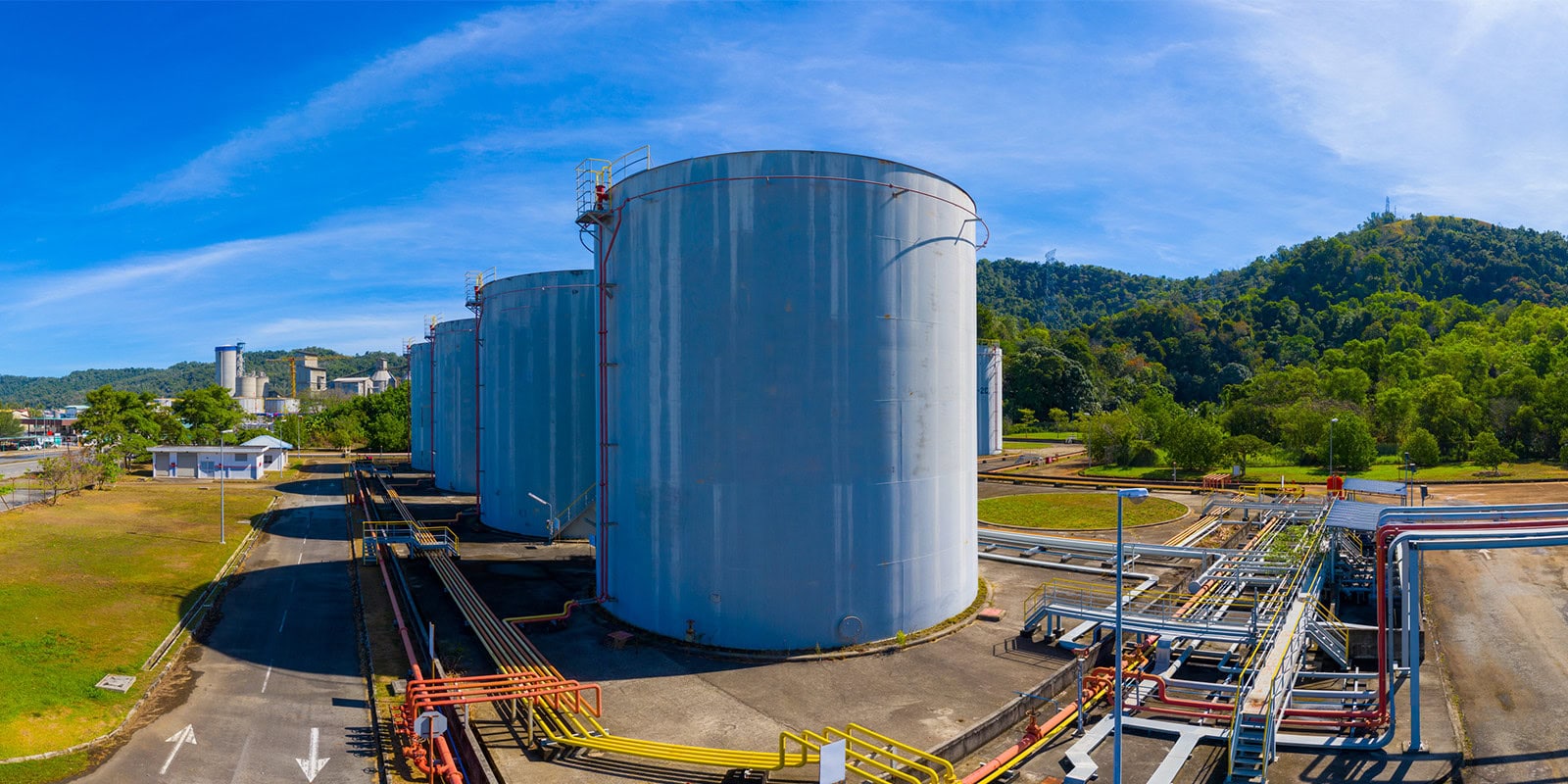
Industrial facilities consume substantial amounts of energy to operate heating systems, manufacturing equipment, processing lines, and temperature-controlled production environments. However, energy demand often changes throughout the day, while energy generation may remain relatively constant or fluctuate according to availability. This mismatch can lead to inefficient equipment operation, higher utility costs, and difficulties maintaining stable process temperatures.
An Energy Storage Tank provides a practical way to store thermal energy and make it available when industrial demand increases. By separating heat production from immediate consumption, these systems can improve energy utilization, support temperature stability, and reduce unnecessary heating cycles. Understanding their operation and applications helps businesses determine how thermal storage can contribute to more efficient industrial processes.
What Is an Industrial Energy Storage Tank?
An energy storage tank is a vessel designed to retain energy in a suitable storage medium for later use. In industrial thermal applications, this usually involves storing heated water, thermal oil, or another material capable of retaining and transferring heat.
The stored thermal energy can support production processes, heating networks, and equipment that require consistent temperature conditions.
Common applications include:
- Industrial process heating.
- Hot water supply systems.
- Thermal oil circulation networks.
- Asphalt and bitumen processing.
- Manufacturing and chemical production.
- Solar thermal energy storage.
- District heating and commercial facilities.
The appropriate tank design depends on the storage medium, operating temperature, required capacity, and the amount of time energy must remain available.
How Energy Storage Tanks Work
Thermal energy storage systems generally operate through three stages: charging, storing, and discharging.
1. Charging: Collecting Thermal Energy
During charging, a heat source transfers energy into the storage medium. This source may be an industrial boiler, electric heater, heat pump, solar thermal collector, or waste heat recovery system.
Heat can be stored when production demand is relatively low or when energy is readily available. This allows facilities to prepare for periods of higher thermal demand.
2. Storing: Retaining Available Heat
Once the storage medium reaches the required temperature, the tank holds the thermal energy until it is needed.
Insulation helps reduce heat loss through the tank walls, roof, and other exposed surfaces. The effectiveness of this stage depends on insulation quality, tank construction, ambient conditions, and storage duration.
3. Discharging: Supplying Energy When Required
When a production process or heating system requires additional energy, the stored heat is transferred through a circulation system or heat exchanger.
Pumps, valves, and control devices regulate the flow of the storage medium. This helps deliver thermal energy according to actual operating requirements.
Main Types of Industrial Thermal Energy Storage Tanks
Different storage technologies are designed for different temperatures, materials, and industrial applications.
Sensible Heat Storage Tanks
<AsyncImage query=”large insulated industrial hot water thermal energy storage tank installation” aspectRatio=”16:9″ width=”100%”/>
Sensible heat storage is one of the most common approaches to thermal energy storage. It works by increasing the temperature of a material without changing its physical state.
Water is widely used because it has a relatively high specific heat capacity, is readily available, and can be used in many heating applications.
These tanks are suitable for hot water systems, building heating, and industrial processes that operate within appropriate temperature ranges.
Thermal Oil Storage Systems
<AsyncImage query=”industrial thermal oil storage tank and heating circulation system” aspectRatio=”16:9″ width=”100%”/>
Thermal oil systems use specialized heat-transfer fluids to store and distribute thermal energy. They are useful in applications requiring higher operating temperatures than conventional hot water systems can provide.
Tank materials, seals, pumps, and pipelines must be compatible with the selected fluid and its operating conditions. Regular monitoring of fluid quality also supports reliable performance.
Phase Change Material Storage
Phase change materials store energy by absorbing or releasing heat during a change between solid and liquid states.
This technology can provide substantial thermal storage within a relatively narrow temperature range. It may be suitable for applications where compact storage and controlled heat delivery are important.
However, the selection of phase change materials requires careful evaluation of thermal conductivity, operating temperature, containment, and system cost.
How Energy Storage Tanks Improve Industrial Energy Efficiency
Thermal storage can improve the way industrial facilities generate, distribute, and consume energy.
Reducing Peak Heating Demand
Some facilities experience short periods of high heating demand. Instead of increasing the capacity of the main heating equipment to handle every peak, stored thermal energy can supply part of the additional requirement.
This approach may help reduce peak operating loads when the system is correctly sized.
Improving Heat Source Utilization
Boilers, heat pumps, and other heating equipment may operate more efficiently under stable conditions than during frequent changes in output.
Thermal storage can help balance energy production and consumption, allowing heat sources to operate according to a more predictable schedule.
Supporting Waste Heat Recovery
Industrial processes often release heat that would otherwise be lost. Suitable recovery systems can capture some of this energy and transfer it into a storage tank for later use.
This helps facilities make better use of available energy and reduce reliance on additional heating input.
Integrating Renewable Thermal Energy
Solar thermal systems may generate more heat during certain periods than a facility immediately requires. Thermal storage allows excess energy to be retained and used later.
This can improve the practical value of renewable heating systems, particularly when production schedules do not match energy generation.
Maintaining Stable Process Conditions
Certain industrial processes require consistent temperatures to achieve reliable results. Stored thermal energy can help reduce temperature fluctuations when demand changes or heat generation is temporarily interrupted.
Industrial Applications of Energy Storage Tanks
Thermal energy storage is relevant to a wide range of industries where heating requirements vary throughout production.
Asphalt and Bitumen Processing
<AsyncImage query=”industrial asphalt plant bitumen thermal storage tanks and heating equipment” aspectRatio=”16:9″ width=”100%”/>
Asphalt and bitumen operations require controlled heating to maintain suitable material viscosity and support effective transfer. Thermal oil systems can supply heat to storage vessels, pipelines, and processing equipment.
A properly designed storage arrangement helps maintain thermal conditions and coordinate heating demand. Temperature control must follow the material specifications to avoid overheating or unnecessary energy consumption.
Chemical Manufacturing
Chemical processing facilities may require heat for reactions, mixing, separation, and material preparation. Thermal storage can support these processes by providing an additional source of energy when demand increases.
The storage medium and tank construction must be compatible with the heating system and operating environment.
Food and Beverage Production
Food processing operations use thermal energy for cooking, pasteurization, cleaning, and other production activities.
Stored heat can help support consistent process conditions, particularly when several production stages require heating at different times.
Textile and Paper Manufacturing
Textile treatment, fabric processing, paper production, and industrial drying can involve substantial heating requirements.
Thermal storage can help coordinate heat supply across production lines and reduce fluctuations in heating availability.
Commercial and District Heating
Large buildings and district heating networks can use thermal storage to balance heating demand throughout the day. Stored hot water can provide additional capacity during periods of higher consumption.
Important Components of an Industrial Thermal Storage System
A storage tank depends on several supporting components to operate effectively.
Tank body: Contains the storage medium and must withstand the specified temperature, pressure, and mechanical loads.
Thermal insulation: Reduces heat loss and helps maintain the stored energy for longer periods.
Heat exchangers: Transfer thermal energy between the storage medium and connected heating circuits.
Circulation pumps: Move fluids through the tank, heat source, and industrial equipment.
Pipelines and valves: Direct and regulate the movement of the heating medium.
Temperature sensors: Monitor thermal conditions at important points in the system.
Control systems: Coordinate charging, storage, and discharging operations according to heating demand.
Each component must be selected according to the system’s capacity, fluid characteristics, and operating requirements.
Factors to Consider When Selecting an Energy Storage Tank
Selecting the right tank involves more than estimating its physical size. Businesses should evaluate the entire thermal storage application.
1. Storage Capacity
Determine how much thermal energy the facility needs to store and how long it must remain available. Consider production schedules, peak demand, charging time, and discharge requirements.
An undersized tank may provide insufficient support, while an oversized design can increase installation costs and occupy unnecessary space.
2. Operating Temperature
The tank and its components must withstand the minimum and maximum temperatures expected during operation.
Higher-temperature systems may require specialized construction materials, insulation, seals, and safety devices.
3. Storage Medium
Water, thermal oil, and phase change materials have different thermal properties. The selected medium should be suitable for the required temperature range and compatible with the tank and connected equipment.
4. Pressure Rating
For pressurized systems, verify that the tank is designed for the specified working pressure. Appropriate pressure relief and monitoring devices should be included where required.
5. Insulation Performance
Effective insulation helps reduce thermal losses and improve overall storage efficiency. Evaluate insulation thickness, thermal conductivity, moisture resistance, and long-term durability.
6. Installation Requirements
Assess the available installation area, foundation capacity, tank dimensions, connection locations, and maintenance access. The supporting structure must safely accommodate the tank under operating conditions.
7. System Compatibility
The tank should integrate properly with existing boilers, heaters, pumps, heat exchangers, and control systems. Compatibility helps avoid unnecessary modifications and operating complications.
Installation and Integration Best Practices
Correct installation is essential for achieving reliable thermal storage performance. Engineers should evaluate the foundation, piping arrangement, insulation, electrical requirements, and safety provisions before commissioning.
Pipelines should be sized to support the required flow rates while limiting unnecessary pressure losses. Thermal expansion should also be considered because temperature changes can affect pipes, supports, and connections.
The control system should coordinate heat generation and storage according to actual demand. During commissioning, qualified personnel should verify temperature readings, flow rates, pressure protection, pump operation, and control sequences.
Maintenance Practices for Long-Term Efficiency
Regular maintenance helps preserve storage performance and identify potential problems before they interrupt industrial operations.
A suitable maintenance routine should include:
- Inspecting the tank body for corrosion, cracks, and signs of leakage.
- Checking insulation for damage, moisture, or deterioration.
- Examining pumps, valves, and pipe connections.
- Monitoring the condition of the storage medium.
- Testing temperature sensors and control instruments.
- Inspecting heat exchangers for fouling or reduced performance.
- Checking pressure protection devices according to manufacturer requirements.
- Maintaining records of inspections, repairs, and operating conditions.
Maintenance should follow manufacturer instructions and applicable safety standards. High-temperature or pressurized equipment must be isolated and brought to safe conditions before servicing.
Common Challenges in Thermal Energy Storage
Although thermal storage offers important benefits, certain design and operating issues can reduce system performance.
- Excessive heat loss: Inadequate insulation can reduce the amount of usable energy retained.
- Incorrect capacity: Poor sizing may prevent the system from meeting actual heating demand.
- Uneven temperature distribution: Inadequate circulation can create temperature differences within the storage medium.
- Fluid degradation: Some heat-transfer fluids can deteriorate when exposed to unsuitable operating conditions.
- Control system problems: Incorrect sensor readings or poorly configured controls can affect charging and discharging.
- Poor integration: Incompatible pumps, pipelines, or heat exchangers may limit overall efficiency.
Addressing these challenges during design, installation, and routine maintenance helps support dependable operation.
The Future of Industrial Energy Storage
Industrial energy management is increasingly focused on improving efficiency, reducing waste, and making better use of available energy sources. Thermal storage can contribute to these goals by allowing facilities to use heat when it is most useful rather than relying entirely on immediate generation.
Advances in insulation, monitoring technology, automated controls, and specialized storage materials may further improve thermal storage systems. Integration with renewable energy and industrial waste heat recovery is also expected to remain an important area of development.
Successful implementation will depend on matching technology to practical operating requirements and maintaining the system throughout its service life.
Conclusion
Energy storage tanks play an important role in improving industrial energy efficiency and thermal management. By storing excess heat and releasing it when required, they help balance heating demand, support stable process temperatures, and improve the utilization of boilers, heat pumps, and other energy sources.
Selecting an appropriate system requires careful consideration of storage capacity, operating temperature, storage medium, insulation, pressure requirements, and equipment compatibility. With proper engineering, installation, and maintenance, thermal energy storage can provide reliable support for efficient industrial operations.