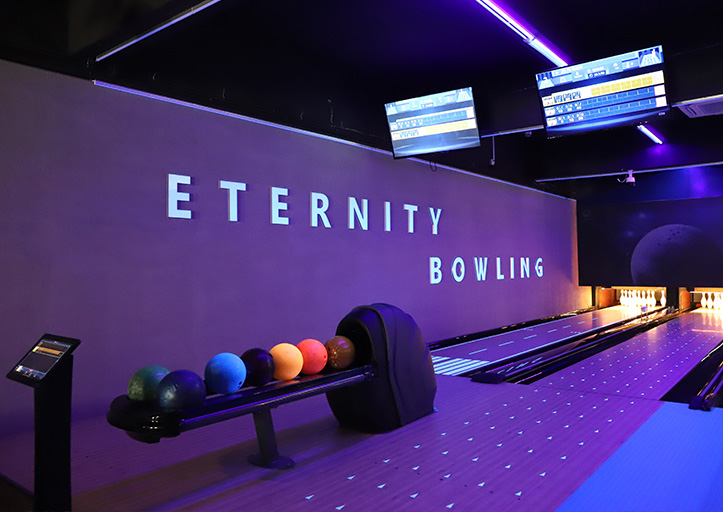
Purchasing pre-owned bowling equipment can help bowling centers, entertainment venues, and renovation projects manage their budgets without necessarily replacing every system with brand-new equipment. However, the condition and compatibility of used equipment can vary significantly, making careful evaluation essential before making a purchase.
When considering Used Bowling Equipment, buyers should examine more than the asking price. Equipment condition, operating history, replacement parts, installation requirements, and compatibility with existing systems can all influence whether a purchase is practical in the long term.
Check the Overall Condition
Begin with a general inspection of the equipment. Look for visible damage, corrosion, cracks, worn surfaces, loose connections, and signs of previous repairs.
Pay particular attention to areas exposed to repeated movement or impact. Heavy wear does not automatically make equipment unsuitable, but it can indicate that maintenance or component replacement may be needed.
Review the Usage History
The amount of previous use can provide important context. Ask how long the equipment was installed and how frequently the previous facility operated it.
Equipment from a high-volume bowling center may have experienced considerably more operating cycles than equipment from a smaller recreational facility. Usage history should therefore be considered alongside maintenance records and current condition.
Inspect Mechanical Components
Mechanical parts should be examined carefully because they can directly affect equipment performance. Check motors, belts, bearings, gears, linkages, rollers, and other moving components for excessive wear.
If the equipment can be operated before purchase, listen for unusual sounds and observe whether movements are smooth and consistent. Repeated jams, vibration, or irregular operation may indicate mechanical problems.
Examine Electrical Systems
Electrical components should receive a separate inspection. Check wiring, connectors, switches, control panels, sensors, and power requirements for visible damage or deterioration.
Older electrical systems may also have different requirements from those used in the purchasing facility. Confirming electrical specifications before installation can prevent unexpected modification costs.
Evaluate Scoring Technology
If the purchase includes scoring equipment, confirm that the technology is compatible with the intended bowling center. Older scoring systems may rely on specific hardware, software, interfaces, or communication methods.
Consider whether the system can be maintained or upgraded in the future. Access to compatible replacement components and technical support can be just as important as the condition of the equipment itself.
Verify Replacement Part Availability
Replacement parts are an important consideration when buying used equipment. Some older components may be difficult to source or may no longer be manufactured.
Before purchasing, identify major wear parts and ask whether replacements are readily available. Knowing the expected cost and availability of these components can make future maintenance easier to plan.
Look for Maintenance Records
Maintenance documentation can provide useful information about how the equipment was cared for. Records may show routine servicing, repairs, component replacements, inspections, and other work.
A well-documented maintenance history can help buyers understand previous problems and identify components that may require attention after installation.
Check for Previous Modifications
Used equipment may have been modified during its previous installation. Changes could include replacement motors, altered wiring, custom mounting arrangements, upgraded controls, or other adaptations.
Ask for details about any modifications. Understanding what has been changed can help determine whether the equipment will integrate properly with its new environment.
Confirm Dimensions and Specifications
Physical measurements should be verified before transportation or installation. Compare the equipment’s dimensions with the available space and existing lane configuration.
Also check technical specifications such as electrical requirements, connection points, mounting arrangements, and operating clearances. Small differences can create installation complications if they are discovered too late.
Assess Refurbishment Work
If equipment has been refurbished, ask exactly what the refurbishment included. Some sellers may replace selected worn components, while others may perform more extensive mechanical or electronic restoration.
Request documentation where possible and determine whether refurbished components have been tested. This can provide a clearer understanding of the equipment’s current condition.
Consider Transportation and Installation
Moving used bowling equipment can require careful planning because many components are heavy, delicate, or difficult to handle. Transportation costs should be considered before finalizing the purchase.
Installation may also involve disassembly, reassembly, alignment, calibration, electrical work, and testing. These requirements can add considerably to the total project cost.
Calculate the Total Investment
The purchase price should not be the only financial consideration. A more useful calculation includes the costs associated with preparing the equipment for reliable operation.
Consider factors such as:
- Equipment purchase price
- Transportation and handling
- Inspection and refurbishment
- Replacement parts
- Installation labor
- Electrical modifications
- Testing and calibration
- Ongoing maintenance
This approach makes it easier to compare used equipment with alternative purchasing options.
Ask About Support After Purchase
Technical assistance can be valuable when installing pre-owned equipment. Before buying, find out whether installation documentation, troubleshooting guidance, manuals, or service assistance are available.
Having access to reliable technical information can make it easier for facility staff to maintain equipment and address operational issues.
Plan for Long-Term Use
Used equipment should be evaluated according to the facility’s expected operating demands. Equipment that works well for a low-volume venue may not necessarily be appropriate for a busy commercial bowling center.
Consider expected usage, maintenance resources, future upgrades, and the remaining service life of major components. This broader assessment can help determine whether the equipment fits the project’s long-term requirements.
Final Thoughts
Purchasing used bowling equipment requires careful attention to condition, history, compatibility, maintenance, and future serviceability. A lower initial price can be beneficial, but only when the equipment can meet the operational requirements of the facility without creating excessive repair or installation costs.
By inspecting mechanical and electrical components, reviewing documentation, confirming specifications, checking replacement-part availability, and calculating the full investment, buyers can make a more informed decision before putting pre-owned bowling equipment into service.