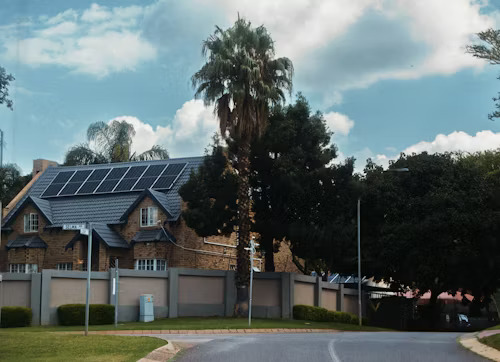
Germany has one of the highest rental rates in Europe. Unlike many of its neighbours, where homeownership is the default aspiration, Germany has long been a nation of renters — and with good reason. The country’s strong tenant protections, well-maintained rental stock, and cultural acceptance of long-term renting have made it a model that other countries increasingly look to.
But navigating the German rental market as a newcomer — or even as an experienced renter moving to a new city — can be a confusing experience. This guide covers everything you need to know before signing a rental agreement in Germany.
Understanding the German Rental Market
Germany’s rental market is broadly divided into two categories:
- Sozialwohnungen (Social Housing) Subsidised housing reserved for low-income households. Eligibility is determined by income thresholds and waiting lists can be extremely long, particularly in major cities.
- Freier Wohnungsmarkt (Private Rental Market) The open market, where landlords — private individuals, housing companies, or developers — rent properties at market rates. This is where the vast majority of renters will find their home.
Within the private market, properties range from small studio apartments in city centres to large family houses with gardens in suburban districts. In recent years, a growing segment of high-quality, newly built properties has emerged, offering modern construction standards, energy efficiency, and professional management.
Key Terms Every Renter Should Know
Before diving into listings and viewings, familiarise yourself with these essential German rental terms:
| Term | Meaning |
|---|---|
| Kaltmiete | Base rent (excluding utilities) |
| Warmmiete | Total rent including heating and utilities |
| Nebenkosten | Additional costs (heating, water, building maintenance) |
| Kaution | Security deposit (usually 2–3 months’ Kaltmiete) |
| Wohnfläche | Living space in square metres |
| Erstbezug | First occupancy (brand new or freshly renovated) |
| Energieausweis | Energy performance certificate — required by law |
| Mietvertrag | Rental agreement / tenancy contract |
| Kündigungsfrist | Notice period (typically 3 months for tenants) |
Understanding the difference between Kaltmiete and Warmmiete is particularly important. A listing that appears affordable at first glance may carry substantial Nebenkosten, pushing the total monthly cost significantly higher.
How to Find Rental Properties in Germany
The German rental market is well-served by digital platforms. The most widely used portals include:
- ImmobilienScout24 — Germany’s largest property portal, covering apartments and houses across all price ranges
- Immowelt — Strong regional coverage, particularly in Bavaria and Baden-Württemberg
- Immonet — Good selection of family homes and larger properties
- eBay Kleinanzeigen — Classifieds platform with a significant volume of private landlord listings
For family homes specifically — particularly in sought-after areas like Nürnberg-Gebersdorf — it is also worth checking developer and landlord websites directly. Developments such as Hainberg Homes in Nürnberg offer newly built terraced houses for rent directly through their own platform, with detailed floor plans, energy data, and an online exposé request.
What Documents Will You Need?
German landlords are notoriously thorough when it comes to tenant screening. Preparing your documents in advance will significantly improve your chances of securing a property in a competitive market.
The standard document pack (Bewerbungsmappe) typically includes:
- SCHUFA-Auskunft — Germany’s credit report, showing your credit history and any defaults. Obtainable online at meineschufa.de.
- Einkommensnachweise — Proof of income: last 3 months’ payslips, or tax returns if self-employed.
- Mietschuldenfreiheitsbescheinigung — A declaration from your previous landlord confirming you have no outstanding rent arrears.
- Personalausweis or Reisepass — Valid ID or passport copy.
- Selbstauskunft — A tenant self-disclosure form, often provided by the landlord, covering income, occupation, and number of occupants.
Having all of these documents ready in a neat digital folder will allow you to respond quickly when you find a property you like — speed is often decisive in competitive rental markets.
Understanding Your Rights as a Tenant in Germany
Germany has some of the strongest tenant protection laws in the world. Key rights include:
Mietpreisbremse (Rent Brake)
In designated areas, landlords are restricted in how much they can charge for a new tenancy. Rents generally cannot exceed 10% above the local reference rent (Mietspiegel).
Kündigungsschutz (Protection Against Eviction)
Landlords cannot terminate a tenancy without a legally recognised reason. Personal use (Eigenbedarf) is one of the few grounds for termination, but is subject to strict procedural requirements.
Nebenkostenabrechnung (Utility Cost Statement)
Landlords must provide an annual itemised statement of all utility costs within 12 months of the end of the billing year. If the statement is not provided in time, the landlord forfeits the right to claim any additional costs.
Schönheitsreparaturen (Cosmetic Repairs)
Clauses requiring tenants to carry out cosmetic repairs at the end of a tenancy are frequently invalid under German law. Many standard rental contracts contain such clauses, but courts have repeatedly struck them down if they are overly broad or use rigid timescales.
What to Look for in a Modern Rental Property
Beyond the basics of location, size and price, modern renters in Germany are increasingly focused on energy efficiency and build quality. With the transition away from gas heating now embedded in German law, properties with modern heating systems — particularly air-source heat pumps — offer significantly lower running costs and greater long-term stability.
When evaluating a property, consider:
- Energy performance certificate (Energieausweis) — Aim for class A or B. Older properties rated E, F or G will carry higher heating costs.
- Heating system — Heat pumps, district heating (Fernwärme), and solar thermal are preferable to gas or oil.
- Insulation quality — Newer builds (post-2020) will generally have superior insulation to older stock.
- Internet connectivity — Fibre (Glasfaser) availability is increasingly important, particularly for remote workers.
- Outdoor space — Gardens and terraces add significant quality of life, particularly for families with children.
Developments built to KfW-40 standard — such as Hainberg Homes in Nürnberg-Gebersdorf — meet all of these criteria. These newly built terraced houses offer 85 to 145 m² of living space, private gardens, fitted kitchens, heat pumps and photovoltaic installations, and are available as Erstbezug (first occupancy) rentals.
Moving to Nürnberg? Here Is What to Expect
Nürnberg offers excellent quality of life with modern housing options for families. Photo: Unsplash
Nürnberg is one of Germany’s most liveable cities. As the economic hub of the Nuremberg Metropolitan Region — home to around 3.6 million people — it offers a strong job market, excellent infrastructure, and a lower cost of living than Munich, Frankfurt, or Hamburg.
Key facts about the Nürnberg rental market:
- Average Kaltmiete for a family house: €15–20 per m²
- Strong demand for family-sized properties with gardens
- Well-connected public transport, including U-Bahn, S-Bahn, tram and bus networks
- Excellent schools, including international options
- Short commuting distances compared to larger German cities
The district of Gebersdorf, in southwest Nürnberg, is particularly popular with families. Quiet, green, and well-served by local amenities, it offers direct motorway access to the A73 (towards Fürth and Erlangen) and A6 (towards Ansbach and Heilbronn).
Final Checklist Before Signing
Before putting pen to paper on a German rental contract, run through this final checklist:
- Have you received and reviewed the Energieausweis?
- Do you understand the full Warmmiete breakdown?
- Have you checked the Kaution amount and payment terms?
- Have you read the Kündigungsfrist (notice period) clauses?
- Have you inspected the property in person and documented its condition?
- Are any Schönheitsreparaturen clauses included — and are they legally valid?
- Have you confirmed the Nebenkosten estimate with the landlord?
Taking the time to work through these points before signing will save significant stress — and potentially significant money — further down the line.