Setting up a coil coating facility is a major industrial investment that requires careful financial planning and technical evaluation. The total cost is influenced by equipment selection, production capacity, automation level, energy systems, and long-term operational requirements. Understanding these cost components is essential for making informed investment decisions and ensuring sustainable returns.
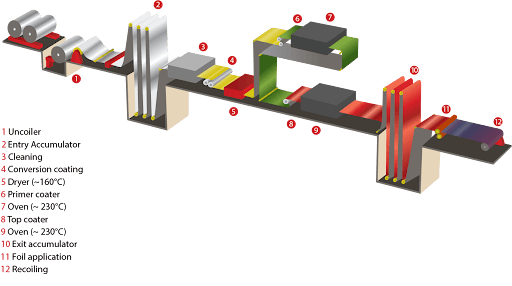
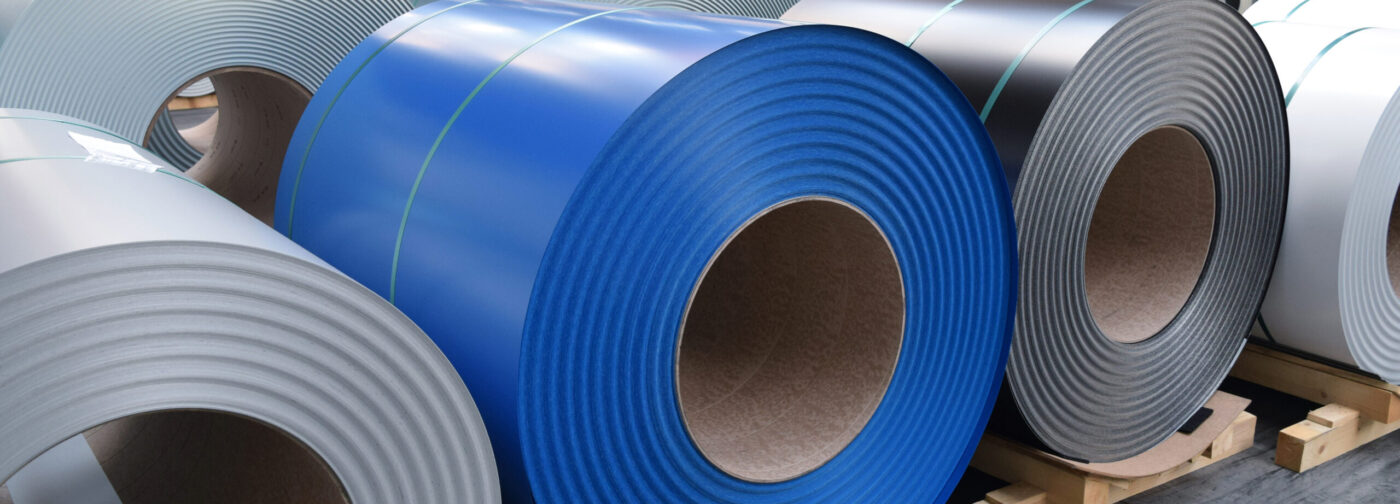
A modern aluminum coil coating line is a highly integrated production system, and its cost structure reflects the complexity of combining mechanical equipment, chemical processes, thermal systems, and digital automation into a single continuous operation.
Initial Equipment Investment Costs
The largest portion of the total setup cost comes from core production equipment. Each section of the coil coating line contributes to the overall capital expenditure.
Key equipment cost components include:
- Uncoiling and recoiling systems
- Cleaning and pretreatment units
- Coating application machines
- Curing ovens and heating systems
- Cooling and inspection equipment
Higher production capacity and wider coil specifications significantly increase equipment costs. Advanced materials and precision engineering also contribute to higher initial investment.
Automation and Control System Costs
Modern coil coating lines rely heavily on automation to maintain consistent quality and efficiency. The level of automation directly impacts both installation cost and operational performance.
Cost-related automation components include:
- PLC control systems
- Human-machine interface (HMI) panels
- Sensor networks and monitoring devices
- Artificial intelligence-based optimization systems
While advanced automation increases upfront investment, it reduces long-term labor costs and improves production stability.
Energy System and Consumption Infrastructure
Energy demand is a major cost factor in coil coating facilities, especially due to high-temperature curing processes. Both installation and ongoing operational energy costs must be considered.
Key energy-related expenses include:
- Heating systems for curing ovens
- Electrical power distribution systems
- Gas or fuel supply infrastructure
- Heat recovery and efficiency systems
Energy-efficient technologies may increase initial cost but significantly reduce long-term operating expenses.
Building and Facility Construction Costs
The physical infrastructure required to support a coil coating line also represents a substantial investment. Facility design must accommodate heavy machinery, chemical systems, ventilation, and safety requirements.
Major construction considerations include:
- Factory building structure and layout
- Floor reinforcement for heavy equipment
- Ventilation and exhaust systems
- Chemical storage and safety zones
Proper facility planning ensures smooth production flow and compliance with industrial safety standards.
Installation and Commissioning Expenses
Installing and commissioning a coil coating line requires specialized technical expertise. This stage ensures that all systems are properly aligned, calibrated, and ready for production.
Associated costs include:
- Equipment installation labor
- System calibration and testing
- Operator training programs
- Trial production runs
Although often overlooked, commissioning is critical for achieving stable long-term performance.
Raw Material and Chemical Preparation Costs
Initial setup also requires investment in coating materials and chemical systems used for pretreatment and testing. These materials are essential for system validation and production calibration.
Cost elements include:
- Coating resins and pigments
- Pretreatment chemicals
- Cleaning agents and consumables
- Testing and sample materials
These costs vary depending on coating types and product specifications.
Maintenance and Spare Parts Investment
Long-term operational cost planning should include spare parts and maintenance infrastructure. Reliable production depends on timely replacement of worn components and regular servicing.
Key cost factors include:
- Roller and mechanical wear parts
- Pump and circulation system components
- Sensor and control device replacements
- Preventive maintenance tools and systems
Investing in high-quality components can reduce downtime and long-term maintenance expenses.
Labor and Operational Staffing Costs
Although automation reduces manual labor requirements, skilled operators and technicians are still essential for managing production.
Labor-related cost factors include:
- Skilled machine operators
- Maintenance engineers
- Quality control personnel
- Safety and supervision staff
Training costs also play an important role in ensuring efficient operation.
Environmental Compliance and Safety Costs
Environmental regulations require manufacturers to invest in pollution control and safety systems. These systems ensure compliance with industrial standards and reduce environmental impact.
Key compliance costs include:
- Waste treatment systems
- Emission control equipment
- Safety monitoring systems
- Regulatory certification processes
These investments are essential for long-term operational approval and sustainability.
Transportation and Logistics Costs
Transportation of equipment, raw materials, and finished products also contributes to overall cost structure. Large coil coating systems require specialized logistics planning.
Cost considerations include:
- Heavy equipment shipping
- Import/export duties
- Internal factory material handling systems
- Packaging and distribution infrastructure
Efficient logistics planning helps reduce delays and unnecessary expenses.
Conclusion
The cost of setting up a coil coating facility is influenced by a wide range of factors, including equipment investment, automation systems, energy infrastructure, facility construction, and operational requirements. Each element plays a critical role in determining both initial capital expenditure and long-term operational efficiency.
A modern aluminum coil coating line represents a significant but strategic investment that balances high production capability with long-term cost savings. By carefully evaluating all cost components, manufacturers can build efficient, scalable, and competitive production systems that deliver consistent value over time.