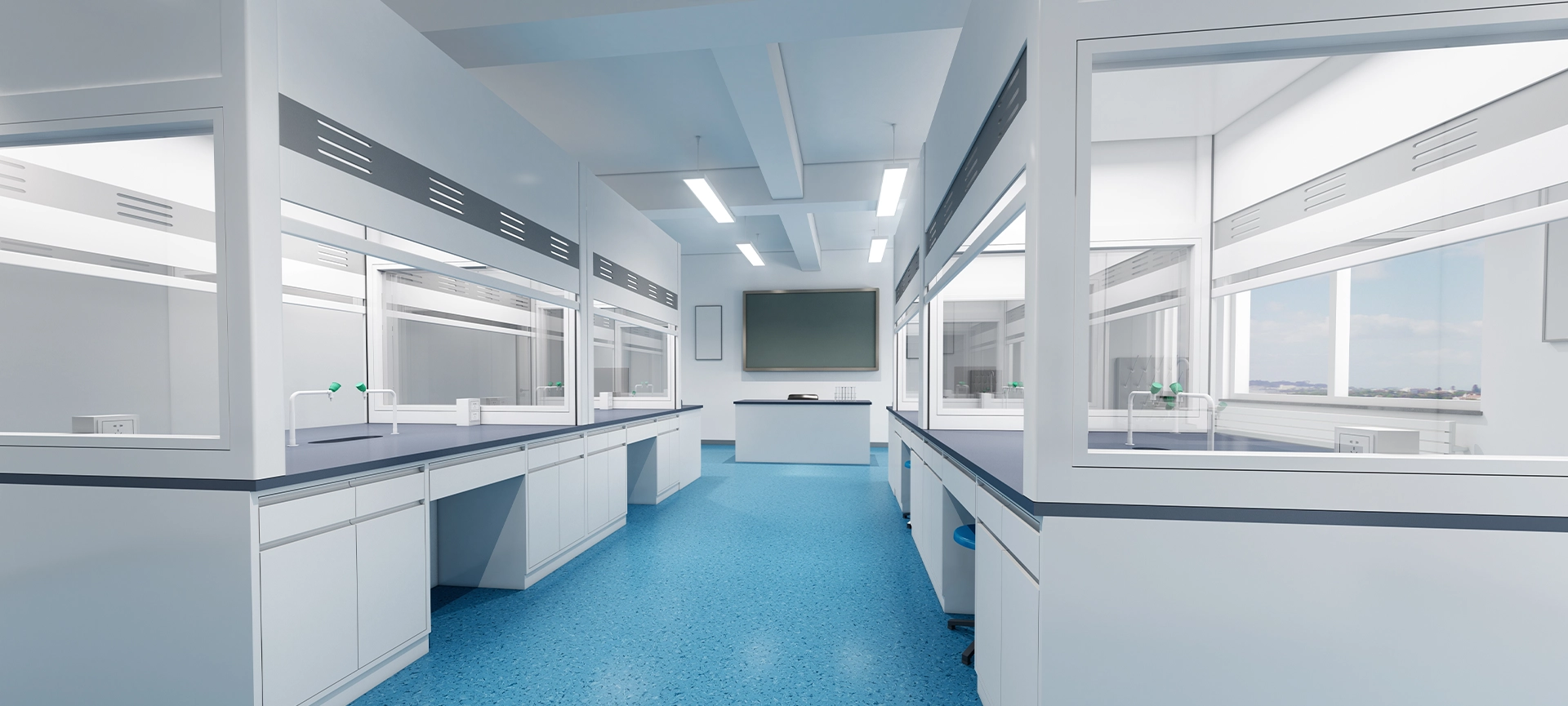
Modern industries such as pharmaceuticals, biotechnology, semiconductors, and advanced electronics depend heavily on controlled environments to maintain product quality and regulatory compliance. As manufacturing processes become more precise and sensitive, cleanroom design has evolved to meet increasingly strict environmental and operational standards.
Instead of managing separate contractors for design, construction, and validation, many organizations now prefer an integrated approach that simplifies execution while ensuring consistent quality. A Turnkey Cleanroom provides a fully managed solution where all stages of development are handled under a single coordinated system, ensuring efficiency, compliance, and reliability from concept to completion.
Advanced Air Filtration and HVAC Systems
One of the most critical features of any modern cleanroom is its air management system. Clean air is essential for preventing contamination and maintaining stable environmental conditions.
A modern turnkey system typically includes:
- HEPA or ULPA filtration units for particle removal
- Precision HVAC systems for temperature and humidity control
- Laminar airflow design for controlled air movement
- Pressure differential systems between clean zones
These systems work together to ensure that airborne contaminants are continuously removed and controlled across all operational areas.
Modular and Flexible Construction Design
Flexibility is a key requirement in modern manufacturing environments. Modular cleanroom construction allows facilities to be expanded, modified, or reconfigured with minimal disruption.
Key features of modular design include:
- Prefabricated wall and ceiling panels
- Lightweight but durable structural frameworks
- Easy integration of new production areas
- Quick installation and reduced downtime
This modular approach makes cleanrooms more adaptable to evolving production needs and technological advancements.
High-Performance Contamination Control Materials
Material selection plays a major role in maintaining cleanliness and durability within a cleanroom environment. All surfaces must be resistant to particle shedding and easy to sanitize.
Common materials used include:
- Epoxy or vinyl anti-static flooring systems
- Smooth, non-porous wall coatings
- Stainless steel fixtures and fittings
- Sealed joints to prevent particle accumulation
These materials help maintain strict hygiene standards while supporting long-term operational stability.
Integrated Environmental Monitoring Systems
Continuous monitoring is essential to ensure that cleanroom conditions remain within acceptable limits at all times. Modern turnkey systems include advanced monitoring technologies that provide real-time data.
Typical monitoring features include:
- Particle counting systems for air quality assessment
- Temperature and humidity sensors
- Pressure differential monitoring across zones
- Automated alerts for environmental deviations
These systems help maintain compliance and ensure immediate corrective action when needed.
Efficient HVAC Zoning and Airflow Design
Proper airflow management is essential for preventing cross-contamination between different cleanroom areas. Modern designs use zoning strategies to control air movement and maintain cleanliness levels.
Key airflow features include:
- Unidirectional airflow in critical zones
- Controlled air return systems
- Pressure cascades between different cleanliness levels
- Optimized ventilation layout for efficiency
This ensures that contaminants are effectively contained and removed from sensitive production areas.
Integrated Utility and Infrastructure Systems
Cleanrooms require reliable utility systems to support continuous operation. A turnkey approach ensures that all utilities are fully integrated into the design and construction process.
Essential utility systems include:
- Electrical distribution networks
- Compressed air supply systems
- Process water and purification systems (if required)
- Backup power systems for critical operations
Proper integration ensures uninterrupted functionality and operational safety.
Compliance-Driven Design and Validation
Regulatory compliance is a core requirement for cleanroom facilities. Modern turnkey cleanrooms are designed to meet international standards such as ISO classifications and GMP guidelines.
Key compliance features include:
- Structured validation processes (IQ, OQ, PQ)
- Detailed documentation for audits and inspections
- Certified materials and equipment selection
- Performance testing of all critical systems
This ensures that the facility is fully prepared for regulatory approval and operational use.
Ergonomic Workflow and Layout Optimization
Efficient workflow design is essential for improving productivity and reducing contamination risks. Modern cleanrooms are designed with optimized layouts that support smooth movement of personnel and materials.
Key design considerations include:
- Clear separation of clean and dirty zones
- Optimized personnel entry and exit paths
- Dedicated material transfer areas
- Ergonomic placement of equipment and workstations
This improves operational efficiency while maintaining strict contamination control.
Conclusion
A modern cleanroom is far more than a controlled space—it is a highly engineered system designed to ensure precision, safety, and compliance across demanding industries. From advanced filtration systems and modular construction to real-time monitoring and regulatory validation, every feature plays a critical role in maintaining performance.
By integrating all these elements into a unified process, a Turnkey Cleanroom provides manufacturers with a reliable, efficient, and scalable solution that meets the evolving demands of modern production environments.