What Is a Neoprene Beach Bag? Features, Benefits, and Everyday Uses
A beach bag is an essential accessory for carrying towels, sunscreen, clothing, water bottles, and other personal belongings during a day outdoors. While traditional beach bags are commonly made from canvas, cotton, or woven materials, neoprene has become another popular option because of its flexible structure, lightweight feel, and modern appearance.
A Neoprene Beach Bag is designed to combine practical storage with a comfortable carrying experience. Its material and construction make it suitable for beach visits, swimming sessions, shopping trips, and other everyday activities. Understanding its features and benefits can help buyers decide whether this type of bag meets their needs.
What Is a Neoprene Beach Bag?
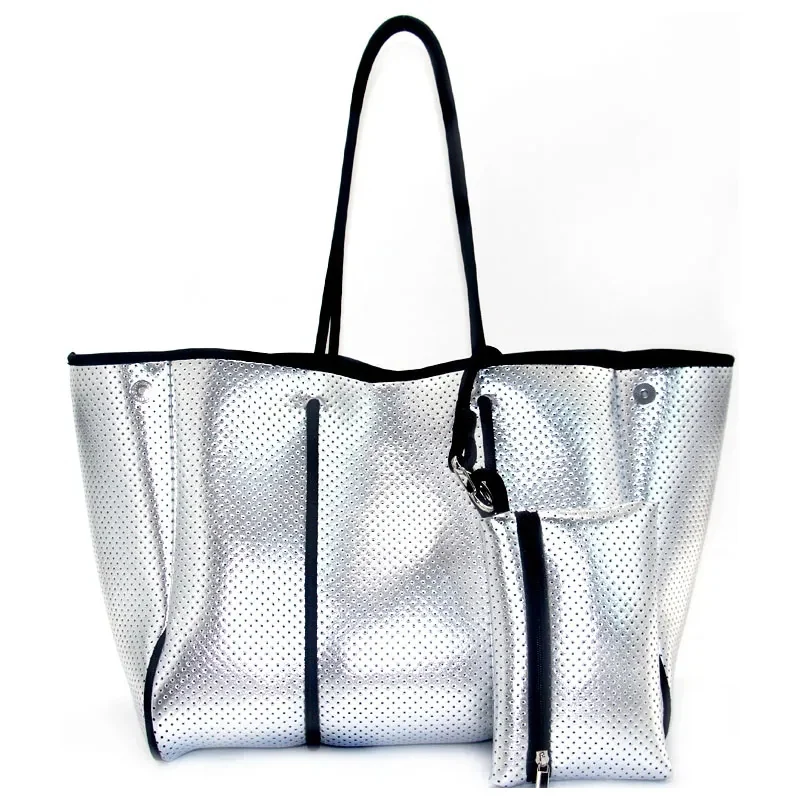
A neoprene beach bag is a carry bag made primarily from neoprene, a synthetic rubber material known for its flexibility, cushioning, and resistance to moisture. Neoprene is also used in products such as wetsuits, protective sleeves, and sports accessories.
In beach bags, the material provides a soft yet structured feel. Many designs feature spacious interiors, comfortable handles, reinforced seams, and optional compartments for organizing personal items.
These bags are available in different sizes, shapes, and colors. Some have a simple open-top design, while others include zippers, removable pouches, interior pockets, or adjustable features.
Key Features of Neoprene Beach Bags
The practical design of neoprene beach bags makes them suitable for carrying a variety of belongings. Several features distinguish them from conventional fabric bags.
Lightweight and Flexible Material
Neoprene is relatively lightweight and flexible, making it comfortable to carry during outdoor activities. The material can bend and adapt to different contents without feeling as rigid as some structured bag materials.
This flexibility also makes many neoprene bags easier to store when they are not in use.
Moisture Resistance
Neoprene offers resistance to moisture, which can be useful in beach and poolside environments. It can help protect belongings from minor splashes and damp surfaces.
However, a neoprene bag should not automatically be considered fully waterproof. Water may enter through openings, seams, or zippers, so sensitive belongings should be placed in separate waterproof pouches when necessary.
Spacious Interior
Many beach bag designs include a wide main compartment that can accommodate towels, swimwear, sunscreen, snacks, and other essentials.
The available capacity depends on the bag’s dimensions and construction. Buyers should compare measurements with the items they regularly carry.
Comfortable Handles
Handles are an important part of beach bag design because the bag may become heavy when filled with personal belongings. Neoprene bags often feature soft handles that are designed for comfortable carrying.
The stitching and attachment points should be strong enough to support the intended load.
Variety of Designs and Colors
Neoprene beach bags are available in numerous colors, patterns, and shapes. This variety makes it easier for customers to choose a design that matches their personal style.
Some models also include decorative details, contrast panels, or removable accessories.
Benefits of Using a Neoprene Beach Bag
Choosing the right beach bag can make outdoor activities more organized and convenient. Neoprene offers several practical advantages for people who frequently visit beaches, swimming pools, or other recreational locations.
Easy to Carry During Outdoor Activities
A lightweight bag is useful when walking between parking areas, beaches, swimming facilities, and nearby shops. Neoprene’s flexible construction can make the carrying experience more comfortable, especially when the bag contains everyday essentials.
Helps Keep Belongings Organized
A spacious main compartment provides room for larger items, while additional pockets or removable pouches can separate smaller belongings.
For example, users can keep sunscreen, keys, sunglasses, and personal accessories in designated spaces instead of mixing everything together.
Suitable for Damp Environments
Beach and poolside activities often involve wet towels, swimwear, and occasional splashes. Neoprene’s moisture-resistant properties make it a practical material for these conditions.
It is still important to avoid leaving wet items sealed inside the bag for extended periods, as trapped moisture can contribute to unpleasant odors.
Flexible Storage
Many neoprene bags can be folded or compressed to some extent when empty. This makes them convenient to store in wardrobes, travel luggage, or other limited spaces.
The amount of flexibility depends on the thickness and construction of the material.
Modern and Versatile Appearance
Neoprene bags are available in both simple and fashionable designs. Their clean shapes and broad color selection allow them to work as more than occasional beach accessories.
Depending on the design, they can also complement casual outfits and everyday activities.
Everyday Uses Beyond the Beach
Although these bags are designed with outdoor activities in mind, their versatility allows them to serve several other purposes.
Swimming Pool Visits
A neoprene bag can carry swimwear, towels, goggles, water bottles, and other swimming essentials. Its moisture-resistant material is useful around pools, although wet items should be handled carefully after use.
Shopping and Errands
Larger neoprene totes can be used for grocery shopping, casual outings, and everyday errands. Their flexible construction makes them convenient for carrying different types of belongings.
Gym and Fitness Activities
A medium-sized bag may provide enough room for workout clothing, towels, and personal accessories. Some designs also include separate compartments for better organization.
Travel and Weekend Trips
Neoprene bags can serve as supplementary travel bags for toiletries, casual clothing, or items needed during short outings. They may also be useful as carry-on accessories, provided their dimensions meet the relevant travel requirements.
Family Outings
Families can use larger beach bags to carry snacks, children’s clothing, sunscreen, toys, and other shared essentials. Multiple compartments can make it easier to separate personal belongings.
How to Choose the Right Neoprene Beach Bag
Different users have different storage and style requirements. Before purchasing, consider the following factors.
1. Size and capacity: Choose a bag that can accommodate your usual beach essentials without becoming unnecessarily bulky.
2. Material thickness: Compare neoprene thickness and flexibility. The right specification depends on the desired structure, weight, and intended use.
3. Construction quality: Examine stitching, reinforced seams, handle attachments, and finishing details.
4. Compartments: Consider whether you need interior pockets, zippered sections, or removable pouches for organizing smaller items.
5. Closure type: Open-top bags provide easy access, while zipper or snap closures may offer additional security for belongings.
6. Cleaning requirements: Check the manufacturer’s care instructions to understand how to clean and dry the material properly.
7. Design and color: Select a style that suits your personal preferences and the activities for which you plan to use the bag.
Neoprene Beach Bags Compared With Traditional Beach Bags
Traditional beach bags are available in materials such as canvas, cotton, straw, and polyester. Each material offers different advantages, so the best choice depends on the user’s priorities.
| Feature | Neoprene Bags | Traditional Fabric Bags |
|---|---|---|
| Material feel | Soft and flexible | Varies by fabric |
| Moisture resistance | Generally good | Depends on material and treatment |
| Weight | Often lightweight | Varies by construction |
| Structure | Flexible with some cushioning | Ranges from soft to rigid |
| Design options | Many colors and modern styles | Wide range of styles and textures |
| Cleaning | Requires material-appropriate care | Depends on fabric type |
| Best use | Beach, pool, travel, and casual activities | Everyday use and outdoor activities |
Rather than assuming one material is always better, compare the bag’s construction, capacity, maintenance needs, and intended use.
Cleaning and Maintaining a Neoprene Beach Bag
Regular cleaning helps maintain the appearance and condition of a beach bag. Sand, sunscreen, saltwater, and other residues can accumulate after outdoor use.
Follow these basic care practices:
- Empty the bag after every outing and remove loose sand.
- Wipe the exterior with a soft, damp cloth when needed.
- Use mild soap and water for suitable surface cleaning.
- Avoid harsh chemicals, bleach, and abrasive cleaning tools.
- Allow the bag to dry completely before storing it.
- Keep it away from prolonged exposure to excessive heat.
- Follow the manufacturer’s specific washing and care instructions.
Proper drying is particularly important after carrying wet towels or swimwear. Storing the bag while damp may lead to unpleasant odors.
Conclusion
A neoprene beach bag combines flexible construction, lightweight handling, moisture resistance, and practical storage features. These qualities make it a useful accessory for beach visits, swimming, shopping, travel, and other everyday activities.
When choosing one, consider its size, material thickness, stitching, handle strength, compartments, and cleaning requirements. A well-designed bag that matches your routine can provide convenient storage and remain useful beyond occasional trips to the beach.