Selecting the right solid surface material is an important decision for residential, commercial, and hospitality interior projects. These materials are commonly used for countertops, bathroom vanities, washbasins, reception desks, wall panels, and other interior applications. Their appearance, fabrication flexibility, maintenance requirements, and performance can influence both the quality and long-term value of an installation.
Before making a purchase, buyers should evaluate more than color and price. Material composition, technical specifications, surface finish, fabrication requirements, and supplier reliability all deserve attention. Understanding these factors can help buyers assess KKR Solid Surface materials more effectively and select products that match their project requirements.
1. Understand the Material Composition
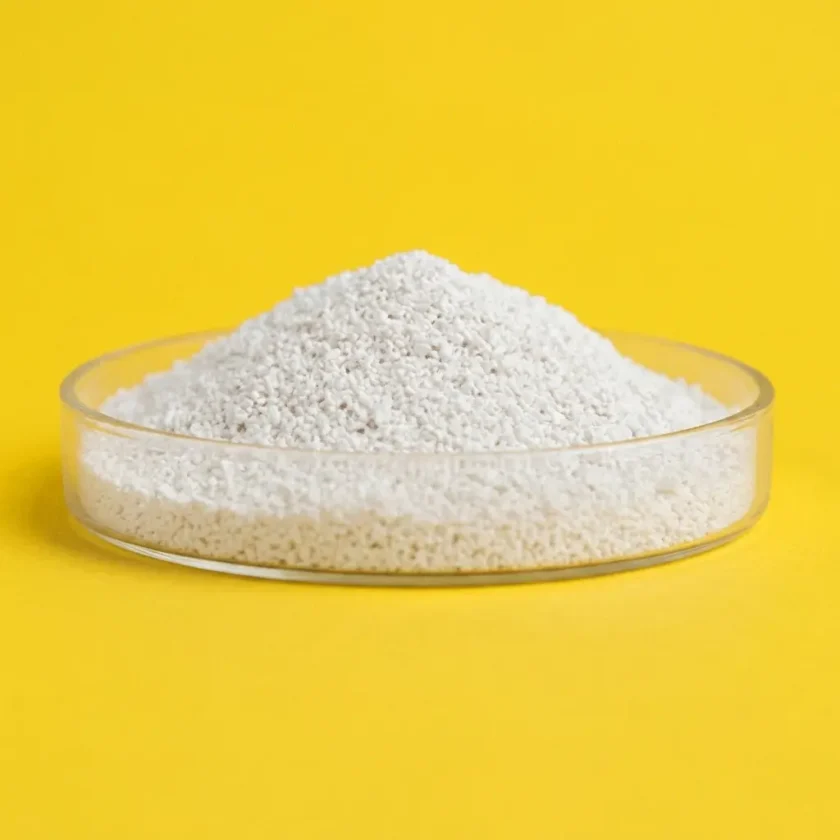
Solid surface materials are generally manufactured using mineral fillers, resin-based binders, pigments, and other formulation components. The exact composition can vary between manufacturers and product ranges.
Understanding the material composition is important because it can influence the product’s physical properties, appearance, fabrication methods, and maintenance needs.
Check the Material Formulation
Ask the supplier for information about the material’s composition and relevant technical specifications. Different formulations may offer different levels of resistance to moisture, staining, heat, and everyday wear.
Consider the Intended Application
A material designed for a bathroom vanity may have different requirements from one intended for a heavily used commercial countertop.
Buyers should confirm that the selected product is suitable for its intended environment rather than assuming all solid surface materials perform identically.
2. Evaluate Material Quality and Consistency
Material quality has a direct influence on the appearance and performance of a finished installation.
A reliable product should demonstrate consistent characteristics across its surface and, where applicable, between different production batches.
Inspect Surface Appearance
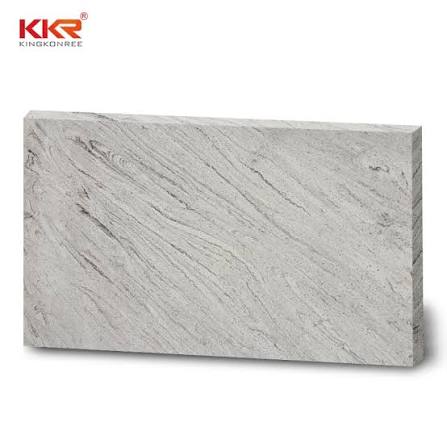
Look for visible defects such as uneven coloration, unexpected discoloration, surface imperfections, or inconsistent patterns.
For products with decorative patterns, confirm that the appearance meets the project’s design expectations.
Review Product Samples
Requesting samples is a useful way to evaluate material quality before placing a large order.
Samples allow buyers to examine the surface texture, color, finish, and overall appearance under different lighting conditions.
Ask About Quality Control
Find out what inspection procedures are used during production.
Information about raw material checks, production monitoring, dimensional inspection, and finished-product evaluation can help buyers understand how quality consistency is managed.
3. Select the Right Color and Design
Color and design influence how solid surface materials interact with other interior elements.
The selected appearance should complement the project’s overall style while remaining suitable for its intended use.
Match the Interior Design
Neutral colors such as white, gray, and beige are often used in contemporary interiors because they can work with a wide range of finishes.
More distinctive colors and patterns may be appropriate for feature countertops, reception desks, and decorative installations.
Consider Lighting Conditions
A sample may appear different under showroom lighting compared with natural daylight or artificial lighting in the final installation area.
Review samples in conditions similar to the intended project environment whenever possible.
Think About Long-Term Design Appeal
Trendy colors can create an attractive contemporary appearance, but buyers should also consider whether the selected design will remain suitable as surrounding furniture and decorative elements change.
4. Check Thickness and Available Dimensions
Material thickness and sheet dimensions are important when planning fabrication and installation.
The appropriate specifications depend on the intended application, structural support, design requirements, and installation method.
Confirm Available Thickness Options
Different projects may require different thicknesses.
Countertops, vanity surfaces, wall cladding, and decorative elements should be designed according to their specific performance and support requirements.
Review Sheet Dimensions
Ask for the available sheet lengths, widths, and thicknesses before finalizing the design.
This information helps fabricators estimate material requirements and plan cutting layouts.
Reduce Unnecessary Material Waste
Accurate measurements and suitable sheet sizes can help reduce cutting waste.
This is especially important for projects involving multiple countertops, integrated basins, or large decorative surfaces.
5. Consider Durability and Everyday Performance
Durability is an important consideration when purchasing solid surface materials for areas that experience frequent use.
However, performance depends on the formulation, thickness, installation quality, and environmental conditions.
Scratch Resistance
Countertops and vanity surfaces may encounter friction from utensils, containers, appliances, and everyday objects.
Ask the supplier about the product’s scratch-resistance characteristics and recommended protective practices.
Stain Resistance
Food, cosmetics, soap, and other substances can come into contact with solid surface products.
Review the manufacturer’s stain-resistance information and cleaning recommendations before selecting a material for high-use areas.
Impact and Wear
Commercial applications may experience more frequent physical contact than residential installations.
Buyers should consider the expected level of use and confirm whether the material is appropriate for the required environment.
6. Examine Moisture and Heat Resistance
Solid surface materials are often selected for kitchens and bathrooms because of their design flexibility and suitability for many interior applications.
Nevertheless, resistance to moisture and heat varies by product.
Moisture Exposure
Bathroom countertops and vanity surfaces may experience repeated contact with water, humidity, and cleaning products.
Confirm that the material is suitable for the intended moisture exposure and follow the manufacturer’s installation recommendations.
Heat Exposure
Kitchen surfaces may come into contact with heated cookware and appliances.
Ask for the product’s heat-resistance specifications and use protective accessories such as trivets where recommended.
Chemical Compatibility
Cleaning agents can affect certain surface formulations and finishes.
Request a list of approved cleaning products and avoid assuming that chemicals designed for other countertop materials are suitable.
7. Review Fabrication and Customization Capabilities
One reason solid surface materials are used in contemporary interiors is their potential for customized fabrication.
Depending on the product and fabrication method, materials may be shaped, cut, joined, and finished to meet specific design requirements.
Custom Sizes and Shapes
Custom fabrication can help accommodate unusual room layouts, curved counters, and specialized vanity dimensions.
Confirm the available customization options before finalizing architectural drawings.
Integrated Design Features
Some solid surface systems can be fabricated with coordinated or integrated basins and other design elements.
Discuss the required construction details with the supplier and fabricator to confirm technical feasibility.
Edge Profiles and Finishes
Different edge treatments and surface finishes can influence the final appearance.
Request examples of available fabrication options to ensure they match the project’s design specifications.
8. Understand Maintenance Requirements
Maintenance should be considered before purchasing any surface material, particularly in busy residential and commercial environments.
A product that requires specialized cleaning procedures may involve additional maintenance planning.
Daily Cleaning
Ask whether routine cleaning can be performed with mild detergent, water, and a soft cloth.
Always follow the manufacturer’s approved cleaning instructions.
Stain Removal
Find out how common stains should be treated and whether specialized cleaning products are required.
This information is particularly useful for kitchen countertops, hospitality facilities, and shared washrooms.
Repair and Refinishing
Some solid surface materials can be refinished to address certain surface imperfections.
However, repairability depends on the formulation and the type of damage. Buyers should ask about recommended repair procedures and professional support.
9. Compare Pricing and Overall Project Costs
Purchase price is an important factor, but it should not be the only basis for selecting a material.
The total project cost may include several additional expenses.
Material Cost
Compare quotations for products with similar specifications, thicknesses, finishes, and dimensions.
A lower-priced product may not provide the same technical characteristics or customization options as another material.
Fabrication Expenses
Cutting, shaping, edge finishing, joining, and custom features can increase the overall cost.
Request a clear breakdown of fabrication charges before approving the project.
Transportation and Installation
Shipping costs, packaging requirements, handling, and installation labor should also be included in the budget.
For large projects, these expenses can have a meaningful impact on the final investment.
Long-Term Maintenance
Consider the cleaning requirements, expected repair needs, and potential replacement costs when comparing different materials.
A complete cost evaluation provides a more realistic picture than the initial purchase price alone.
10. Verify Supplier Experience and Reliability
Choosing an appropriate supplier is as important as selecting the material itself.
A reliable supplier should be able to provide accurate product information and communicate clearly throughout the purchasing process.
Review Industry Experience
Ask about the supplier’s experience with solid surface materials and the types of projects they commonly support.
Relevant experience can be useful when evaluating technical questions and customization requirements.
Request Product Documentation
Useful documents may include:
- Product specifications and technical data sheets.
- Available colors, finishes, and dimensions.
- Installation and fabrication guidance.
- Cleaning and maintenance instructions.
- Relevant test reports or certifications, where applicable.
Review these documents to confirm that the product meets the project’s requirements.
Evaluate Communication and Support
Clear communication helps prevent misunderstandings about specifications, order quantities, delivery schedules, and customization details.
Buyers should also understand how technical questions and product-related concerns will be handled after purchase.
11. Check Certifications and Testing Information
Certifications and test reports can provide additional information about material quality and suitability.
However, buyers should verify the relevance and validity of any documents provided.
Review Relevant Test Reports
Depending on the application, useful information may cover physical properties, chemical resistance, fire performance, or other technical characteristics.
The required tests depend on local regulations and project specifications.
Confirm Certification Details
Check the issuing organization, document number, product coverage, and validity period where applicable.
Do not assume that a certification covering one product automatically applies to every material in a manufacturer’s range.
Consider Project Compliance
Healthcare, hospitality, food service, and public building projects may have additional material requirements.
Confirm that the selected product meets the applicable standards and building requirements before ordering.
12. Evaluate Delivery Time and Order Capacity
Delivery arrangements can influence the overall project schedule, particularly when materials are required for large construction or renovation projects.
Confirm Production Lead Times
Ask whether the requested product is available from existing inventory or requires a new production run.
Custom colors, dimensions, and finishes may involve additional preparation time.
Check Bulk Order Capacity
For large projects, verify that the supplier can provide the required quantity within the agreed schedule.
Ask how material consistency will be maintained across multiple production batches.
Discuss Packaging and Transportation
Solid surface sheets and fabricated components should be packaged appropriately to reduce the risk of damage during transportation.
Confirm the shipping method, delivery arrangements, and procedure for reporting damaged goods.
13. Request Samples Before Bulk Purchasing
Samples are particularly useful when the material will be installed across a large area or repeated throughout a building.
They help buyers evaluate the product before making a substantial financial commitment.
What to Check in a Sample
- Color and pattern consistency.
- Surface texture and finish.
- Visible manufacturing imperfections.
- Appearance under different lighting conditions.
- Compatibility with nearby materials and fixtures.
If the project requires multiple sheets, ask how the supplier manages color and pattern consistency between batches.
14. Consider Sustainability and Responsible Material Selection
Environmental considerations are becoming increasingly relevant in construction and interior design.
Buyers may wish to understand how materials are manufactured, packaged, transported, and maintained.
Ask About Material Information
Request available information about raw materials, production practices, and environmental performance.
Where sustainability claims are made, look for supporting documentation rather than relying only on general marketing statements.
Consider Product Longevity
A durable material that can be maintained and repaired appropriately may reduce the need for frequent replacement.
Actual environmental benefits depend on the product’s full lifecycle, including manufacturing, transportation, maintenance, and disposal.
Review Packaging Practices
Ask whether packaging materials can be reduced, reused, or recycled where practical.
These details can contribute to more informed purchasing decisions.
15. Prepare a Checklist Before Placing an Order
A purchasing checklist can help prevent missing specifications or unexpected costs.
Before confirming an order, buyers should review the following points:
- Confirm the intended application and required performance.
- Check material composition and technical specifications.
- Select the appropriate color, pattern, and surface finish.
- Verify sheet dimensions and thickness.
- Review fabrication and customization requirements.
- Confirm cleaning, maintenance, and repair guidance.
- Compare material, fabrication, shipping, and installation costs.
- Request samples and relevant documentation.
- Verify supplier capacity and production lead times.
- Confirm packaging, delivery, and order inspection procedures.
Having these details documented can make communication between buyers, suppliers, designers, and fabricators more efficient.
Conclusion
Buying solid surface materials requires careful consideration of appearance, quality, durability, fabrication options, maintenance, and overall project costs. Buyers should also review technical documentation, confirm supplier capabilities, and ensure that the selected material meets the requirements of its intended application.
Whether the project involves a residential bathroom, kitchen countertop, hotel vanity, or commercial reception area, a well-informed purchasing decision can help achieve a suitable balance between design and performance. Evaluating samples, comparing specifications, and confirming delivery arrangements before placing an order can also reduce unnecessary risks and support a smoother installation process.