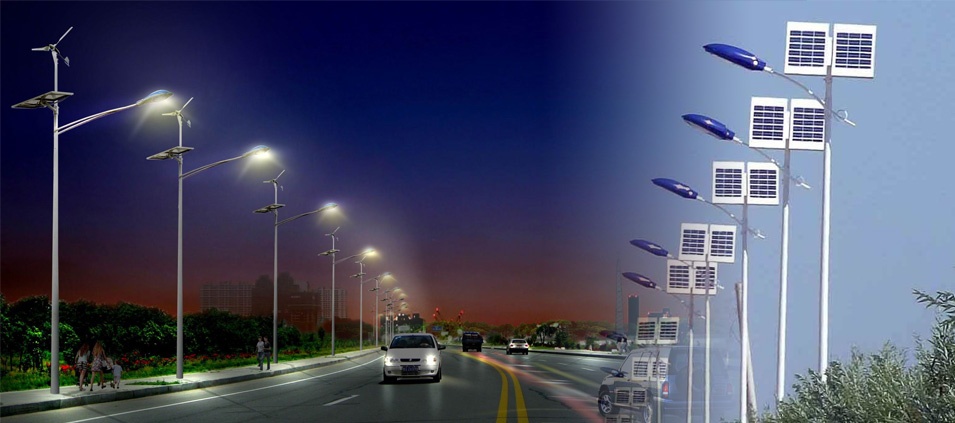
Solar street lights are becoming an increasingly practical choice for roads, parking areas, residential communities, industrial facilities, and other outdoor spaces. By using solar energy, these systems can reduce dependence on grid electricity and provide lighting in locations where conventional power connections are expensive or difficult to install.
However, not all solar street lights deliver the same level of performance. Differences in solar panel efficiency, battery capacity, LED technology, control systems, and construction quality can significantly affect reliability and operating costs. Choosing the right manufacturer is therefore just as important as selecting the product itself.
If you are comparing options for a commercial or public lighting project, identifying a Top Solar Street Light Brand requires a close look at the features that influence real-world performance. The following guide explains what to check before making a purchase.
1. High-Efficiency Solar Panels
The solar panel collects sunlight and converts it into electricity for charging the battery. Its performance affects how much energy the lighting system can store for nighttime operation.
Monocrystalline solar panels are commonly used in modern solar street lights because they generally provide good conversion efficiency and power output relative to their size.
Before buying, examine:
- Solar panel type and rated power.
- Conversion efficiency.
- Panel dimensions and installation angle.
- Charging performance under local sunlight conditions.
- Resistance to outdoor weather exposure.
Do not evaluate a solar panel based only on its advertised wattage. Its capacity should be appropriate for the LED load, battery size, and expected daily operating hours.
2. Reliable Battery Capacity and Technology
The battery stores energy during the day and supplies electricity to the LED module at night. It is one of the most important components affecting the operating reliability of a solar street light.
LiFePO4 batteries are widely used in solar lighting applications because they offer good thermal stability and are suitable for repeated charge and discharge cycles.
Important battery features include:
- Rated voltage and ampere-hour capacity.
- Total and usable energy storage.
- Charge and discharge cycle performance.
- Operating temperature range.
- Battery management system protection.
- Expected service life under specified conditions.
Buyers should also check the system’s autonomy, which refers to how long the light can operate without sufficient sunlight to recharge the battery. This is particularly important in regions with frequent cloudy weather.
3. LED Brightness and Luminous Efficiency
The LED module determines the amount of light produced by the fixture. However, higher wattage does not automatically mean better illumination.
Buyers should compare actual lumen output and luminous efficacy, measured in lumens per watt. These specifications help indicate how efficiently electrical power is converted into visible light.
Other relevant considerations include:
Color temperature: This determines whether the light appears warm, neutral, or cool white. The appropriate choice depends on the application and local lighting requirements.
Color rendering index (CRI): CRI indicates how accurately colors appear under the light source.
LED chip quality: Reliable LED components can contribute to consistent performance and reduced maintenance requirements.
Request product datasheets and supporting test information rather than relying only on marketing descriptions.
4. Effective Optical Design and Light Distribution
A solar street light must distribute illumination across the intended area. Poor optical design can create dark spots, uneven brightness, or unnecessary light pollution.
The lens and reflector system influence the direction and spread of light. Different road widths, pole heights, and installation distances may require different optical configurations.
Before purchasing, consider:
- Available beam angles.
- Road and area coverage.
- Mounting height.
- Pole spacing.
- Lighting uniformity.
- Glare control and light spill.
For larger projects, request an IES photometric file or a lighting simulation. These resources help designers estimate illumination levels and determine whether the selected fixture can meet project requirements.
5. Strong Weather Resistance and IP Rating
Solar street lights are exposed to rain, dust, humidity, sunlight, and changing temperatures throughout the year. Their housings and electrical connections must be suitable for the installation environment.
An IP rating indicates the level of protection against solid particles and water. For example, IP65 indicates dust-tight construction and protection against water jets under specified testing conditions.
Also examine:
- Corrosion-resistant housing materials.
- UV-resistant external components.
- Weatherproof cable connections.
- Sealing around electrical compartments.
- Resistance to high and low operating temperatures.
For coastal or industrial environments, additional corrosion protection may be necessary. Buyers should verify the protection rating of the complete fixture rather than assuming every component has identical protection.
6. Intelligent Lighting Control System
Modern solar street lights may include intelligent controls that help manage energy consumption and adapt illumination to changing conditions.
Common features include automatic dusk-to-dawn switching, programmable dimming, motion detection, and battery protection.
For example, a motion sensor can allow the light to operate at reduced brightness when an area is empty and increase illumination when movement is detected. This can help conserve stored energy while maintaining visibility when needed.
Before selecting a product, confirm:
- Whether automatic switching is included.
- Whether brightness schedules can be adjusted.
- How motion sensors respond to movement.
- Whether the controller protects against overcharging and excessive battery discharge.
- Whether remote monitoring is available.
Check the actual operating logic and settings. Different control strategies can produce different results in terms of energy consumption and nighttime illumination.
7. Durable Housing and Heat Dissipation
The fixture housing protects internal components and helps manage heat generated during operation.
Aluminum alloy is commonly used in outdoor LED lighting because it combines structural strength with effective heat dissipation. A well-designed heat sink can help maintain suitable operating temperatures for LED components.
When comparing products, inspect the housing thickness, surface finish, mounting structure, and overall assembly quality.
Good thermal management is especially important for solar street lights installed in hot climates. Excessive heat can affect electronic components and battery performance, potentially reducing system reliability.
8. Battery Management and Electrical Protection
A reliable solar lighting system needs more than a high-capacity battery. It also needs a suitable controller and protection features to manage charging and discharging safely.
A battery management system (BMS), where applicable, helps monitor battery conditions and protect against issues such as overcharging, excessive discharge, and abnormal current.
Other useful protections may include:
- Short-circuit protection.
- Overcurrent protection.
- Overvoltage protection.
- Temperature monitoring.
- Reverse-polarity protection.
Ask the manufacturer to explain which protections are included and whether they apply to the specific model being considered.
9. Certifications and Product Testing
Certifications and test reports can help buyers assess whether a solar street light meets relevant safety, environmental, and performance requirements.
Depending on the destination market and product design, buyers may need to review CE-related conformity documentation, RoHS compliance information, electrical safety reports, and electromagnetic compatibility testing.
For LED performance, relevant supporting information may include photometric reports and test data for LED components.
When reviewing documentation, make sure that:
- The documents correspond to the exact product model.
- The tested configuration matches the supplied product.
- The issuing organization is appropriately qualified.
- The standards are relevant to the destination market.
- The documents can be independently verified.
Do not assume that a manufacturer’s general certification claims apply to every product in its range.
10. Easy Installation and Maintenance
Installation requirements can affect the overall cost and schedule of an outdoor lighting project.
Some solar street lights use integrated designs that combine the solar panel, battery, controller, and LED module in one fixture. Others use separate panels and battery compartments.
Integrated systems can simplify installation, while separate configurations may offer greater flexibility for certain project conditions.
Before buying, check:
- Mounting compatibility.
- Pole diameter requirements.
- Fixture weight and dimensions.
- Installation instructions.
- Accessibility of replaceable components.
- Availability of spare batteries, controllers, and LED modules.
A product that is straightforward to install and maintain can reduce labor requirements and simplify future servicing.
11. Warranty Coverage and After-Sales Support
Warranty conditions are important because solar street lights contain several components with different operating characteristics and replacement requirements.
Buyers should request written warranty terms for the LED module, battery, solar panel, controller, and other major components.
Pay attention to the warranty duration, exclusions, claim procedure, and responsibility for shipping replacement parts.
Also ask whether the manufacturer provides technical assistance for installation, troubleshooting, and maintenance.
Good after-sales support is particularly valuable for distributors and contractors responsible for maintaining lighting systems across multiple locations.
12. Customization and Application Flexibility
Different projects require different lighting configurations. A residential street, public road, industrial site, and parking facility may have different requirements for brightness, pole height, operating hours, and energy storage.
A manufacturer with customization capabilities may be able to offer:
- Different LED power levels.
- Alternative battery capacities.
- Customized solar panel configurations.
- Different optical distributions.
- Special mounting arrangements.
- Private labeling and packaging.
Before confirming customized products, discuss minimum order quantities, additional costs, sample approval, and production lead times.
For large installations, a project-specific lighting design can help ensure that the selected product meets the intended illumination requirements.
13. Competitive Pricing and Total Cost of Ownership
The initial purchase price is only one part of the total cost of a solar street lighting project.
A low-priced product may require more frequent battery replacements, repairs, or maintenance. A higher-quality system may cost more initially but provide better value over its operating life.
Compare suppliers based on:
- Solar panel and battery specifications.
- LED efficiency and lumen output.
- Controller features.
- Housing and protection ratings.
- Installation expenses.
- Warranty coverage.
- Replacement component costs.
- Expected maintenance requirements.
Request detailed quotations that identify all included components and services. This makes it easier to compare products on an equal basis.
How to Choose the Right Solar Street Light for Your Project
Before selecting a brand or model, define the lighting requirements of the installation.
Start by identifying the area to be illuminated, required brightness, pole height, spacing, expected operating hours, and local weather conditions. These factors influence the necessary LED output, solar panel capacity, and battery size.
Next, compare technical datasheets from several manufacturers. Request samples where practical and verify important specifications through testing or independent inspection.
For larger projects, consider a pilot installation before committing to a full order. Testing a small number of fixtures under actual operating conditions can reveal whether the system provides adequate illumination and battery autonomy.
Finally, evaluate the manufacturer’s production capabilities, documentation, delivery arrangements, and after-sales service. A suitable product should be supported by a supplier capable of meeting both technical and commercial requirements.
Common Buying Mistakes to Avoid
Even buyers with experience in outdoor lighting can overlook important details when comparing solar street lights.
Common mistakes include:
- Choosing products based only on advertised wattage.
- Ignoring battery capacity and autonomy.
- Overlooking solar panel performance.
- Failing to check light distribution.
- Accepting unsupported service-life claims.
- Ignoring local temperature and weather conditions.
- Purchasing bulk quantities without sample testing.
- Comparing unit prices without calculating total costs.
A complete evaluation of the lighting system helps reduce these risks and supports better purchasing decisions.
Conclusion
Selecting a solar street light requires careful consideration of more than brightness and price. Solar panel efficiency, battery technology, LED performance, optical design, weather resistance, intelligent controls, and electrical protection all contribute to reliable operation.
Buyers should also examine certifications, installation requirements, warranty coverage, customization options, and the manufacturer’s technical support capabilities.
By evaluating these essential features before purchasing, contractors, distributors, and project developers can choose solar street lighting solutions that better match their applications, environmental conditions, and long-term operating requirements.