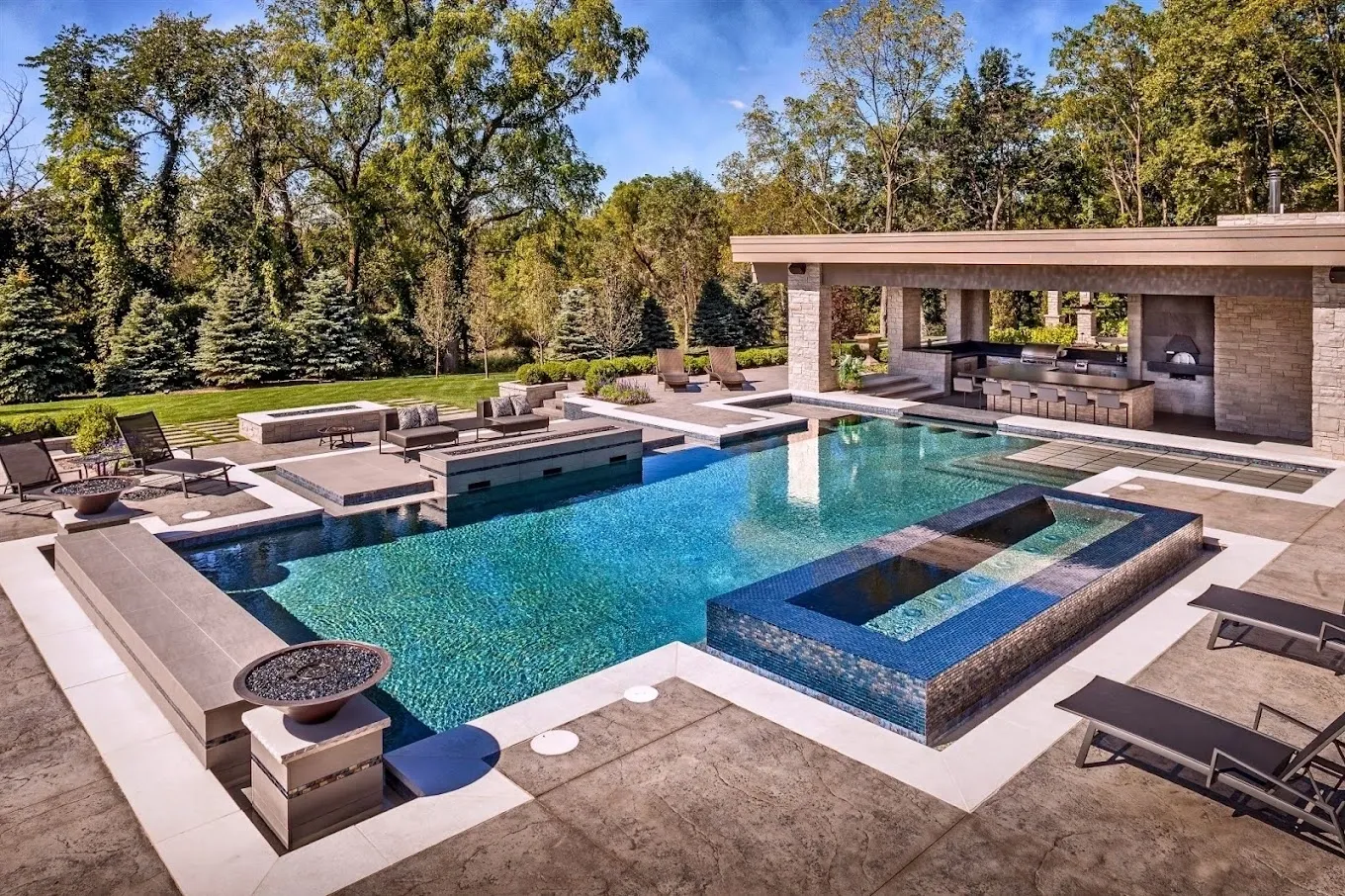
A modern swimming pool requires more than a well-designed structure and clean water. Behind every comfortable and functional swimming environment is a collection of equipment responsible for circulation, filtration, sanitation, temperature control, and safety. Each component performs a specific task, and together they help maintain water quality while making the pool easier to operate and maintain.
Whether planning a new residential pool or upgrading an existing installation, understanding the essential equipment can help property owners make informed decisions. Selecting suitable products from a reliable Pool Equipment Manufacturer is an important part of building a system that meets the pool’s requirements and supports consistent performance over time.
1. Swimming Pool Pumps
The pool pump is one of the most important pieces of equipment in any circulation system. It moves water through the filtration and treatment equipment before returning it to the pool.
Without adequate circulation, dirt and debris can accumulate, and water treatment may become less effective. The pump must therefore be correctly sized according to the pool’s volume, plumbing configuration, filter requirements, and intended operating schedule.
Modern pools commonly use single-speed or variable-speed pumps. Variable-speed models allow users to adjust the motor speed to suit different circulation needs. Operating at lower speeds when appropriate can help reduce energy consumption and noise.
When choosing a pump, consider its flow rate, efficiency, motor specifications, maintenance requirements, and compatibility with the rest of the system.
2. Swimming Pool Filtration Systems
Filtration removes suspended particles such as dust, dirt, leaves, and other small contaminants from circulating pool water. It works alongside chemical sanitation to help maintain clear and hygienic water.
There are three common types of pool filters:
Sand Filters
Sand filters pass water through a tank containing specially graded filtration media. Particles become trapped as water moves through the media, while cleaner water returns to the pool.
They are widely used because of their straightforward operation and relatively simple maintenance. Periodic backwashing helps remove accumulated debris.
Cartridge Filters
Cartridge filters use pleated filter elements to capture particles. Their large surface area supports effective filtration, and cleaning generally involves removing and rinsing the cartridge according to the manufacturer’s instructions.
They can be a practical choice for pools where water conservation is a priority because routine cleaning does not usually require backwashing.
Diatomaceous Earth Filters
Diatomaceous earth filters use a specialized filtration medium supported by internal grids or elements. They can capture very fine particles, although they require specific handling and maintenance procedures.
The best filter depends on pool size, expected use, maintenance preferences, and local requirements.
3. Pool Sanitization Equipment
Clear water does not automatically mean that a pool is safe to use. Sanitization systems help control harmful microorganisms and maintain appropriate water chemistry.
Traditional chlorine systems remain common in residential and commercial pools. Other technologies can support or supplement sanitation, depending on the installation.
Examples include:
- Saltwater chlorine generators: Use electrolysis to produce chlorine from dissolved salt in the pool water.
- Ultraviolet systems: Expose circulating water to UV light to help reduce certain microorganisms as water passes through the treatment chamber.
- Ozone systems: Introduce ozone into the treatment process to help oxidize contaminants.
These technologies do not all replace the need for an appropriate residual sanitizer. Pool operators must follow applicable health guidance and manufacturer instructions to maintain safe water conditions.
4. Pool Heaters and Temperature Controls
Heating equipment helps maintain comfortable swimming temperatures and can extend the period during which a pool can be used.
The right heating solution depends on the local climate, pool size, desired water temperature, energy availability, and expected usage.
Common options include:
- Heat pumps: Transfer heat from the surrounding air into the pool water and can offer efficient operation in suitable climates.
- Gas heaters: Heat water quickly and may be useful when rapid temperature changes are needed.
- Solar heating systems: Use solar collectors to transfer heat to circulating pool water.
Temperature controllers and thermostats help maintain the selected setting. Automated controls can also coordinate heating with circulation schedules to support efficient operation.
5. Pool Plumbing and Valves
Pipes, fittings, and valves connect the different parts of a pool’s circulation system. They guide water between the pool, pump, filter, heater, and treatment equipment.
Although plumbing is not always the most visible part of a swimming pool, its design has a major effect on overall performance. Incorrect pipe sizing, excessive bends, or poorly selected fittings can increase resistance and make circulation equipment work harder.
Valves allow users or technicians to direct water through different sections of the system. They can isolate equipment for servicing, control flow, and support features such as water fountains or spa connections.
Using materials suitable for pool water conditions and installing accessible shutoff points can simplify future maintenance.
6. Pool Skimmers and Main Drains
Skimmers and drains help collect and remove debris while supporting water circulation.
Pool skimmers are usually installed near the waterline. They draw surface water into the filtration system, capturing floating debris such as insects, leaves, and small particles in removable baskets.
Main drains are generally positioned at the bottom of the pool and form part of the circulation arrangement. Their design and installation must comply with applicable safety requirements, including regulations addressing suction entrapment risks.
Both components should be selected and installed as part of a properly engineered circulation system rather than treated as independent accessories.
7. Pool Covers
A pool cover provides practical benefits when the pool is not in use. Depending on its design, it can reduce evaporation, limit debris entering the water, and help retain heat.
Several types are available:
- Solar covers: Help reduce evaporation and can contribute to water warming through solar energy.
- Automatic covers: Open and close using a motorized mechanism, offering convenience for routine use.
- Safety covers: Designed to provide a protective barrier when installed and secured according to the manufacturer’s instructions.
- Winter covers: Protect pools during periods of seasonal closure.
The appropriate cover depends on the pool’s design, climate, and intended purpose. A standard solar or debris cover should not be treated as a safety cover unless it is specifically rated and installed for that function.
8. Pool Lighting Systems
Lighting improves visibility and helps create a more usable swimming environment after sunset. Modern pool lighting also offers opportunities to enhance the appearance of the water and surrounding landscape.
LED lights are widely used because they can provide efficient illumination and come in different brightness levels and color options.
Common lighting applications include:
- Underwater pool lights.
- Step and entry lighting.
- Perimeter and pathway lights.
- Landscape lighting around the pool.
- Decorative lighting for water features.
Electrical safety is especially important in wet environments. Pool lighting should be selected, installed, and maintained according to applicable electrical codes, with suitable protection and qualified professional installation.
9. Automatic Pool Cleaners
Pool cleaners reduce the amount of manual effort required to remove dirt and debris from floors, walls, and sometimes the waterline.
There are three main categories:
Suction-side cleaners connect to the pool’s suction system and use water movement to collect debris.
Pressure-side cleaners use pressurized water to move around the pool and collect debris in a dedicated bag or container.
Robotic cleaners operate using their own motors and filtration systems. Many models include programmable cleaning cycles and features designed to navigate different pool surfaces.
The best option depends on pool size, shape, surface material, debris levels, and the owner’s maintenance preferences.
10. Water Testing and Monitoring Tools
Maintaining balanced water chemistry is essential for swimmer comfort, equipment protection, and sanitation effectiveness. Testing tools help pool owners monitor important chemical parameters and identify problems before they become more difficult to correct.
Essential monitoring tools include:
- pH test kits or digital meters.
- Free chlorine and total chlorine tests.
- Total alkalinity tests.
- Calcium hardness tests.
- Stabilizer tests where relevant.
Some modern systems also provide automated monitoring or dosing features. However, automated devices still require calibration, maintenance, and periodic verification using appropriate testing methods.
Regular water testing helps ensure that treatment adjustments are based on actual conditions rather than assumptions.
11. Safety Equipment and Emergency Accessories
Safety equipment should be considered an essential part of every pool installation. The specific requirements depend on the pool’s location, design, intended users, and local regulations.
Useful safety provisions include:
- Life rings or other suitable rescue equipment.
- Reaching poles.
- First-aid supplies.
- Clearly displayed emergency contact information.
- Non-slip surfaces around entry and exit areas.
- Appropriate barriers and access controls.
- Depth markers and safety signage where required.
Residential pools should also have suitable barriers and protective measures to reduce the risk of unsupervised access, particularly by children. Commercial facilities may require additional emergency equipment, staff procedures, and accessibility provisions.
Safety planning should be included in the original pool design rather than postponed until installation is complete.
12. Automation and Smart Pool Controllers
Automation systems bring multiple pool functions together through a central control interface. Depending on the equipment, users may be able to manage pumps, heaters, lighting, water features, and sanitation schedules from one control panel or mobile application.
Smart controls can make routine operation more convenient and help prevent equipment from running unnecessarily. Some systems also provide alerts about operating conditions or maintenance needs.
Before choosing an automation platform, check compatibility with existing equipment, available functions, installation requirements, and long-term software support.
How to Choose the Right Equipment for Your Pool
Not every pool needs the same combination of equipment. A compact residential pool may require a relatively straightforward circulation and filtration setup, while a larger pool or commercial facility may need higher-capacity systems and more advanced monitoring.
Consider these factors before purchasing:
- Pool size and volume: Equipment capacity should match the amount of water being treated and circulated.
- Usage frequency: Pools with heavy daily use may require different operating capacities and maintenance schedules.
- Climate: Local temperatures influence heating requirements, evaporation, and seasonal operation.
- Energy efficiency: Compare operating costs as well as initial purchase prices.
- Maintenance access: Choose equipment that can be inspected, cleaned, and serviced conveniently.
- System compatibility: Confirm that pumps, filters, heaters, and controls work together within their specified operating limits.
Professional planning can help identify the appropriate equipment specifications and avoid costly sizing or installation mistakes.
Conclusion
A modern swimming pool depends on several essential equipment categories working together. Pumps maintain circulation, filters remove suspended debris, sanitization systems support water quality, and heaters help regulate temperature. Plumbing, lighting, covers, cleaners, monitoring tools, and safety accessories contribute to the pool’s overall functionality.
Selecting equipment based on pool size, usage, efficiency, compatibility, and maintenance needs can support dependable operation over the long term. With careful planning and suitable products, pool owners can create a system that is practical to manage, comfortable to use, and designed to meet the demands of everyday swimming.