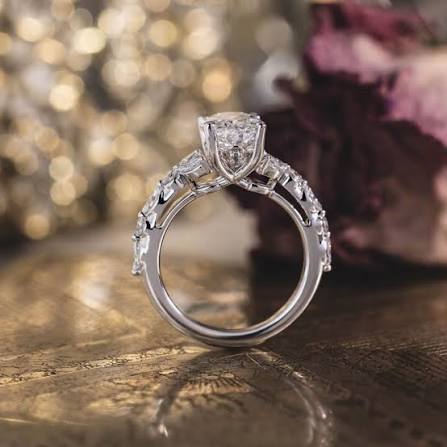
Choosing the right diamond is only one part of creating a beautiful engagement ring. The setting is equally important because it determines how the center stone is secured, how much of the diamond remains visible, and the overall appearance of the finished jewelry. A carefully selected setting can enhance the diamond’s natural brilliance while providing the support needed for comfortable everyday wear.
When designing a Custom Lab Grown Diamond Ring, buyers have the flexibility to choose from several setting styles, including classic solitaires, decorative halos, protective bezels, and modern tension designs. Each option offers different visual and practical benefits. Understanding these differences makes it easier to select a setting that complements the diamond, suits personal preferences, and fits the intended lifestyle.
What Is a Diamond Ring Setting?
A diamond ring setting is the metal structure that holds the gemstone in place. It connects the center diamond to the band and helps protect it from movement or accidental damage.
The setting also influences how the diamond interacts with light. Some designs expose more of the stone, while others surround it with metal or additional gemstones.
A ring setting typically affects:
- The visibility and appearance of the center diamond.
- The security of the gemstone.
- The overall height and profile of the ring.
- The amount of metal and craftsmanship required.
- Comfort during regular wear.
- Cleaning and maintenance requirements.
The ideal setting should balance appearance, structural support, and practicality.
1. Solitaire Setting: A Timeless and Minimalist Choice
<text> </text>
The solitaire setting is one of the most recognizable engagement ring styles. It features a single center diamond without surrounding accent stones, allowing the main gemstone to receive most of the attention.
A solitaire design is available in different diamond shapes, including round, oval, princess, emerald, and pear.
Benefits of a Solitaire Setting
- Keeps attention on the center diamond.
- Offers a clean and traditional appearance.
- Works with many diamond shapes.
- Usually requires fewer gemstones than decorative settings.
- Can be paired with different band styles.
Solitaire settings are suitable for buyers who prefer understated jewelry. They can also be customized through different prong shapes, band widths, metal colors, and setting heights.
2. Halo Setting: Additional Brilliance and Detail
A halo setting surrounds the center diamond with smaller accent diamonds or other gemstones. The surrounding stones create an additional layer of sparkle and give the ring a more decorative appearance.
A traditional halo usually follows the outline of the center stone, while a double halo features two surrounding rows of smaller stones.
Advantages of a Halo Setting
- Adds visual detail and brilliance.
- Creates a decorative frame around the center diamond.
- Can make the center stone appear more prominent.
- Offers opportunities for different gemstone combinations.
Halo settings can work particularly well with round, oval, cushion, and pear-shaped diamonds.
However, the additional stones require careful setting and regular inspection. Small gaps around the accent diamonds may also collect dirt, so cleaning can require more attention.
3. Bezel Setting: Protection with a Modern Appearance
A bezel setting uses a thin metal rim that surrounds the diamond’s outer edge. The rim holds the gemstone securely and helps protect its sides from accidental contact.
Bezel settings are available in full and partial designs.
Full bezel: Metal completely surrounds the diamond’s perimeter.
Partial bezel: Metal covers selected sections of the stone while leaving other areas exposed.
Why Choose a Bezel Setting?
- Provides protection around vulnerable diamond edges.
- Creates a smooth and streamlined appearance.
- Reduces the number of exposed prongs.
- Can be practical for people with active lifestyles.
- Works with modern and minimalist designs.
One consideration is that a bezel covers more of the diamond’s edge than an open prong setting. The metal design should be carefully proportioned so that it does not visually overwhelm the center stone.
4. Three-Stone Setting: Meaningful and Balanced Design
A three-stone setting features a center diamond accompanied by two smaller gemstones, one on each side.
The three stones can represent the past, present, and future of a relationship, making this design meaningful for engagement and anniversary jewelry.
Customization Possibilities
- Use matching diamonds for a balanced appearance.
- Combine different diamond shapes.
- Add colored gemstones as side stones.
- Choose contrasting metal colors.
- Adjust the size of the side stones to complement the center diamond.
For example, an oval center diamond can be paired with smaller pear-shaped side stones to create an elegant arrangement.
The setting must provide appropriate support for all three gemstones while maintaining comfortable proportions.
5. Pavé Setting: Decorative Sparkle Along the Band
Pavé settings feature small diamonds placed closely together along the ring band. The stones are held by tiny metal beads or prongs, creating a continuous sparkling effect.
This setting can be used on the entire band or only on selected sections.
Benefits of Pavé Settings
- Adds decorative detail without changing the center diamond.
- Creates additional sparkle from different viewing angles.
- Complements solitaire and halo designs.
- Offers several customization possibilities.
However, pavé settings involve more individual stones and detailed craftsmanship. Buyers should consider maintenance requirements and ask about the manufacturer’s quality-control procedures.
6. Channel Setting: A Clean and Structured Style
A channel setting places small diamonds within a narrow metal channel along the band. The gemstones sit between two metal edges, creating a relatively smooth surface.
This style is frequently used for wedding bands and can also be incorporated into engagement ring designs.
Advantages
- Provides a neat and organized appearance.
- Protects the sides of smaller diamonds with metal edges.
- Reduces exposed prongs along the channel.
- Creates a continuous line of accent stones.
Channel settings require accurate measurements and careful construction. The channel must hold each stone securely without creating excessive pressure.
7. Tension Setting: A Contemporary Design
A tension setting uses carefully engineered pressure to hold the diamond between two sections of the ring. The result is an open appearance in which the center stone seems to float within the band.
This setting is visually distinctive and often appeals to buyers who prefer modern jewelry.
Important Considerations
- Requires precise engineering.
- Must be designed for the diamond’s dimensions.
- May be more difficult to resize than conventional settings.
- Needs specialized manufacturing expertise.
A tension setting should only be produced by a manufacturer with suitable technical capabilities and experience.
8. Cathedral Setting: Height and Architectural Detail
A cathedral setting uses raised metal arches that extend from the band toward the center diamond. These arches support the stone and create an elevated appearance.
The design is inspired by architectural structures and can make a ring look more elaborate without requiring additional gemstones.
Why Consider a Cathedral Setting?
- Creates a prominent center diamond.
- Adds visual height and structure.
- Works with solitaire and other setting styles.
- Can accommodate different diamond shapes.
Because cathedral settings often raise the center stone, buyers should consider whether the height is comfortable for everyday use.
9. Flush Setting: Subtle and Minimal Decoration
A flush setting places a gemstone directly into a small opening in the metal band. The stone sits nearly level with the surrounding surface, producing a smooth appearance.
This setting is often used for small accent diamonds or hidden decorative details.
It can be a good option for buyers who want subtle personalization rather than prominent gemstone arrangements.
However, the metal must be carefully shaped around the stone to provide secure support.
Comparing Popular Diamond Ring Settings
Different settings offer different combinations of appearance, protection, and maintenance requirements.
| Setting Type | Appearance | Main Advantage | Consideration |
|---|---|---|---|
| Solitaire | Simple and classic | Highlights the center diamond | Exposed stone may need protective prongs |
| Halo | Decorative and sparkling | Adds surrounding brilliance | More stones require maintenance |
| Bezel | Smooth and modern | Protects diamond edges | Metal covers part of the stone’s perimeter |
| Three-Stone | Balanced and symbolic | Offers design flexibility | Requires support for three gemstones |
| Pavé | Detailed and sparkling | Adds brilliance along the band | Small stones need regular inspection |
| Channel | Structured and smooth | Protects accent stone edges | Requires precise construction |
| Tension | Open and contemporary | Distinctive floating appearance | Specialized engineering is necessary |
| Cathedral | Elevated and architectural | Adds height and structure | May catch on objects |
| Flush | Minimal and understated | Smooth surface | Limited to suitable stone sizes and designs |
The best option depends on the diamond, preferred appearance, daily activities, and budget.
How to Match the Setting with the Diamond Shape
The diamond’s shape should influence the choice of setting because different outlines require different support structures.
Round Diamonds
Round brilliant diamonds are versatile and work with nearly all traditional settings. Solitaire, halo, pavé, and bezel designs are common options.
Oval Diamonds
Oval diamonds can be placed in solitaire, halo, and three-stone settings. Their elongated shape often suits delicate bands and symmetrical arrangements.
Princess-Cut Diamonds
Princess-cut diamonds have pointed corners that may require protective prongs or a bezel-style design. A well-designed setting helps reduce exposure to accidental impacts.
Emerald-Cut Diamonds
Emerald-cut diamonds have a rectangular outline and step-cut facets. Their clean geometry works well with solitaire, three-stone, and halo settings.
The corners should receive suitable protection because they can be vulnerable to chipping.
Pear-Shaped Diamonds
Pear-shaped diamonds have one pointed end that requires particular attention. A protective prong at the tip is important when using an open setting.
Cushion Diamonds
Cushion diamonds have rounded corners and can complement halo, solitaire, and vintage-inspired settings.
Matching the setting to the diamond’s proportions helps create a balanced and secure design.
Choosing the Right Metal for Your Ring Setting
The metal used in the setting affects its appearance, durability, and cost. Different metals may also influence how the diamond looks.
Platinum
Platinum is a dense precious metal with a naturally white color. It is valued for its durability and is frequently used for prongs and fine jewelry settings.
It generally costs more than many gold options and may develop a patina through everyday wear.
White Gold
White gold offers a bright, silvery appearance and is often used in contemporary diamond rings. Many white gold settings receive rhodium plating, which may need refreshing over time.
Yellow Gold
Yellow gold creates a warm contrast with white diamonds. It is available in different purity levels, including 14K and 18K.
Rose Gold
Rose gold has a distinctive pinkish tone created by copper in the alloy. It works well with vintage-inspired and modern designs.
The metal should be selected according to the desired appearance, structural requirements, and maintenance preferences.
Factors to Consider Before Selecting a Setting
Before finalizing a design, buyers should evaluate several practical factors.
1. Lifestyle and Daily Activities
People who work with their hands or participate in sports may prefer low-profile settings with fewer exposed edges. A bezel setting or a carefully constructed low-profile design can be worth considering.
2. Diamond Size and Weight
A larger center diamond may require a more substantial setting to support its weight. The prongs, band, and overall structure should be designed around the stone’s actual dimensions.
3. Comfort
The setting should not interfere with normal hand movements. Raised designs may be more noticeable, while smooth and lower-profile options can feel less intrusive.
4. Maintenance Requirements
Settings with multiple accent stones may need more frequent inspection and cleaning than simpler designs.
5. Budget
The cost depends on the metal, number of gemstones, manufacturing complexity, and amount of labor involved. Requesting a detailed quotation helps avoid unexpected expenses.
6. Wedding Band Compatibility
If the engagement ring will be worn alongside a wedding band, consider how the two designs will fit together. Some settings require a curved or specially designed wedding band to sit comfortably beside them.
How Custom Design Technology Helps Select the Right Setting
Computer-aided design (CAD) allows jewelry manufacturers to create a digital model before producing the physical ring.
This technology helps buyers understand how the center diamond, band, and setting will work together.
A CAD model can show:
- The height of the center stone.
- The position and size of prongs.
- The shape of the band.
- The placement of accent diamonds.
- The proportions of the setting.
- The relationship between the ring and a wedding band.
Buyers can review the model from different angles and request adjustments before manufacturing begins.
For more complex designs, this review is especially valuable because it helps identify potential structural or comfort issues early in the process.
Common Mistakes to Avoid When Choosing a Ring Setting
A beautiful setting should also be practical and secure. Avoid these common mistakes when planning a custom ring.
Choosing appearance over protection: A visually attractive setting may not provide enough protection for a pointed diamond shape.
Ignoring setting height: Very high settings may catch on clothing or objects during everyday activities.
Overcomplicating the design: Too many decorative features can make the ring look crowded and increase manufacturing costs.
Overlooking maintenance: Multiple accent stones and detailed settings may require more attention.
Selecting an unsuitable band: The band should provide sufficient strength for the center diamond and intended setting.
Skipping design approval: Always review the final design specifications or CAD model before production.
Tips for Maintaining Your Diamond Ring Setting
Proper maintenance helps preserve the security and appearance of the ring.
- Clean the ring with mild soap, warm water, and a soft brush when suitable for its materials.
- Avoid harsh chemicals and abrasive cleaning products.
- Remove the ring during heavy manual work and activities involving strong impacts.
- Store it separately from other jewelry.
- Check for loose stones or damaged prongs.
- Arrange periodic professional inspections.
If the center diamond moves or a prong appears bent, stop wearing the ring until a jeweler has checked it.
Conclusion
Selecting the perfect setting for a custom lab grown diamond ring requires balancing design preferences, diamond characteristics, durability, comfort, and budget. Solitaire settings offer a timeless appearance, halo designs add decorative brilliance, bezels provide protection, and three-stone arrangements create opportunities for meaningful personalization.
The most suitable setting is the one that complements the center diamond while supporting the wearer’s lifestyle. By comparing different styles, choosing appropriate materials, and reviewing a detailed design before manufacturing, buyers can create a ring that is both attractive and practical for long-term wear.