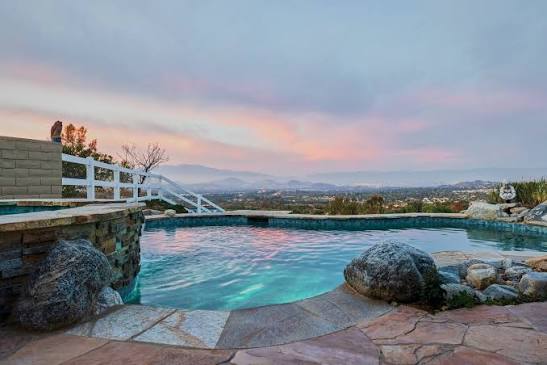
An energy-efficient swimming pool can help homeowners reduce electricity consumption, conserve water, and manage long-term operating costs. With the right combination of equipment, insulation, circulation, and design choices, it is possible to enjoy a comfortable swimming environment without using more energy than necessary.
A Custom Swimming Pool allows homeowners to incorporate efficiency measures from the earliest planning stages. Decisions about pool size, orientation, heating, filtration, and covers can influence how much energy the pool requires throughout the year. By considering these factors before construction begins, homeowners can create a pool that balances comfort, functionality, and responsible resource use.
1. Choose a Practical Pool Size and Shape
The size and shape of a swimming pool affect its energy requirements. Larger pools generally hold more water, which can increase the energy needed for heating and the amount of water lost through evaporation.
Before deciding on dimensions, consider how the pool will be used. A family pool for casual recreation may not need the same size as a pool designed for regular swimming exercise or entertaining large groups.
A compact, well-planned layout can provide sufficient swimming space while reducing the volume of water that needs to be circulated and, where applicable, heated. Simpler shapes may also make it easier to design efficient plumbing and install a suitable cover.
The goal is not necessarily to build the smallest pool possible. It is to select dimensions that meet the household’s needs without adding unused water volume or unnecessary operating demands.
2. Install a Variable-Speed Pool Pump
Pool pumps are among the main sources of electricity consumption in many swimming pool systems. They circulate water through filters and treatment equipment, helping maintain suitable water quality.
A variable-speed pump allows the flow rate to be adjusted according to the pool’s requirements. Instead of operating continuously at one high speed, it can run at lower speeds for routine circulation and increase output when needed.
Lower-speed operation can substantially reduce electricity consumption when the system is properly sized and programmed. However, savings depend on the original pump, operating schedule, plumbing resistance, and local electricity rates.
When selecting a pump, consider the pool’s volume, filter capacity, pipe dimensions, and any connected features such as fountains or waterfalls. A qualified installer can help determine the appropriate operating schedule without compromising circulation or sanitation.
3. Use an Energy-Efficient Pool Heater
Heating can account for a significant portion of a pool’s operating costs, particularly when the pool is used frequently or maintained at a high temperature.
Several heating options are available, and the most appropriate choice depends on climate, energy prices, usage patterns, and the desired water temperature.
Heat Pumps
Pool heat pumps transfer heat from the surrounding air into the water. They can use electricity efficiently in suitable temperatures, although their performance varies with weather conditions and the specific model.
Solar Pool Heating
Solar heating systems use energy from sunlight to warm pool water. They can reduce reliance on conventional energy sources when there is sufficient sunlight and suitable space for collectors.
Their effectiveness depends on local weather, collector size, installation orientation, and seasonal swimming requirements.
Gas Heaters
Gas heaters can warm water relatively quickly and may be useful when rapid heating is important. However, fuel costs and energy efficiency should be considered before selecting this option.
Whichever system you choose, avoid heating the pool to a higher temperature than necessary. A suitable cover can help retain heat and reduce the energy required to maintain comfortable water conditions.
4. Add a Pool Cover to Reduce Heat Loss
A pool cover is one of the most practical features for improving energy efficiency. When the pool is not in use, a suitable cover can reduce evaporation, limit heat loss, and help keep leaves and other debris out of the water.
Evaporation can remove substantial amounts of heat, particularly from heated pools and pools exposed to dry or windy weather. Reducing evaporation can therefore lower both heating demand and water replacement needs.
Common options include solar covers, automatic covers, and other purpose-designed pool covers. Their cost, ease of use, durability, and safety characteristics vary.
Choose a cover that fits the pool’s shape and intended use. Not every cover is designed to support a person’s weight, so verify its safety rating and follow the manufacturer’s instructions. A cover should complement appropriate barriers and supervision rather than replace them.
5. Improve Pool Orientation and Wind Protection
The position of a pool within the property can influence its exposure to sunlight and wind. These conditions affect water temperature, evaporation, and the performance of heating systems.
In cooler climates, a location with suitable sunlight may help warm the pool naturally during the day. In hot climates, excessive sun exposure can increase water loss and may make additional cooling or shading desirable.
Wind protection can be especially useful because moving air increases evaporation. Carefully placed landscaping, fences, or architectural screens may reduce exposure while preserving ventilation and visibility.
Before deciding on the layout, evaluate seasonal sun patterns, prevailing winds, nearby buildings, and the intended swimming schedule. Local climate conditions should guide the design rather than relying on a single approach for every property.
6. Design Efficient Plumbing and Water Circulation
An efficient circulation system helps maintain water quality while avoiding unnecessary resistance in the plumbing network.
Pipes that are too narrow, excessive bends, poorly positioned equipment, and unsuitable fittings can increase resistance and make pumps work harder. A well-planned system reduces avoidable pressure losses and supports reliable water movement.
Important design considerations include:
- Appropriate pipe diameters for the required flow rate.
- Practical routing that avoids unnecessary bends.
- Correctly sized filters and pumps.
- Suitable placement of skimmers and return jets.
- Accessible valves and equipment for maintenance.
Water features such as fountains and waterfalls may require additional flow and pumping capacity. If these features are included, their hydraulic requirements should be considered when designing the entire system.
A professional plumbing layout can improve efficiency while supporting the circulation and treatment needs of the pool.
7. Choose LED Pool Lighting
Lighting improves visibility and extends the time a pool area can be used in the evening. Energy-efficient LED fixtures generally use less electricity than many older lighting technologies and can provide long service life when properly selected and maintained.
A good lighting plan focuses on the areas where illumination is most useful. Underwater lights, pathway fixtures, and lights near steps can improve visibility without requiring excessive brightness throughout the backyard.
Timers and compatible automated controls can prevent lights from remaining on unnecessarily. Dimming or scheduling features may provide further control where the selected equipment supports them.
All electrical equipment installed in or around a swimming pool must be suitable for the environment and installed according to applicable safety requirements by qualified professionals.
8. Consider Insulation for Suitable Pool Designs
Insulation can help reduce heat loss in certain swimming pool designs, particularly heated pools and pools with elevated or exposed structures.
The potential benefit depends on the construction method, local climate, pool temperature, and where heat is lost. Insulation may be relevant to selected pool walls, floors, pipework, or associated equipment, depending on the system.
It is important to distinguish between heat loss through the pool structure and heat loss from the water’s surface. A pool cover often addresses surface evaporation more directly, while insulation may help reduce heat transfer through suitable structural elements.
Discuss insulation options with the designer or contractor before construction. The materials must be compatible with the pool’s structure, moisture exposure, and local building requirements.
9. Use Automation to Control Energy Consumption
Automated pool controls can help homeowners operate equipment according to actual needs rather than relying entirely on manual adjustments.
Depending on the system, automation may manage pump schedules, lighting, heating, and certain water-treatment functions. Some systems also support remote monitoring and alerts.
For example, a pump can be scheduled to operate at suitable speeds during routine circulation, while heating can be limited to periods when the pool is expected to be used. Such settings should always comply with the requirements of the filtration and treatment system.
Automation does not guarantee savings on its own. Poorly configured schedules or excessive heating can still waste energy. Homeowners should review system settings periodically and make adjustments based on usage, weather, and water-care needs.
10. Reduce Water Waste Through Better Design
Water conservation is closely connected to pool efficiency. Water lost through evaporation, splashing, leaks, and maintenance must eventually be replaced, and replenishing water can add to household costs.
Several design choices can help limit unnecessary losses:
- Use a properly fitted pool cover when the pool is not in use.
- Position fountains and waterfalls to direct water back into the pool.
- Inspect plumbing connections and equipment for leaks.
- Avoid unnecessarily high fountain sprays in windy locations.
- Maintain suitable water levels for skimmers and circulation equipment.
Landscaping and drainage should also be designed to manage rainfall and overflow appropriately. Water should not collect around foundations or be discharged in ways that create problems for neighboring properties.
Regular inspection can help identify leaks early, before they result in significant water loss or structural damage.
11. Select Durable, Low-Maintenance Materials
Material selection can affect the long-term environmental and financial cost of a swimming pool. Durable finishes and well-made equipment may reduce the frequency of repairs and replacement, although the most suitable option depends on the pool’s construction method and operating conditions.
Consider the expected service life, maintenance needs, compatibility with pool chemicals, and availability of replacement components when comparing materials.
A finish that is easy to clean may reduce maintenance effort, while durable decking can limit the need for repeated repairs. Equipment should also be accessible so that routine servicing does not require extensive removal or reconstruction.
Avoid choosing materials based only on the lowest initial price. A more complete comparison includes installation expenses, maintenance, expected lifespan, and potential replacement costs.
12. Maintain Filters and Equipment Regularly
Even an energy-efficient pool can become expensive to operate if equipment is neglected. Dirty filters, clogged skimmers, leaking pipes, and poorly maintained pumps can interfere with circulation and increase operating demands.
Follow the manufacturer’s recommended cleaning and servicing schedule. Check filter pressure, remove debris from baskets, inspect fittings, and listen for unusual pump noises that may indicate a problem.
Filters should be cleaned or serviced when needed rather than according to an arbitrary schedule that does not reflect actual conditions. The correct procedure depends on the filter type.
Routine maintenance also supports water quality and helps extend equipment life. Addressing small problems early can prevent more expensive repairs and unnecessary energy use later.
13. Evaluate the Total Cost of Ownership
Energy-efficient features may involve higher upfront costs, so homeowners should compare the initial investment with the expected savings over time.
For example, a variable-speed pump may cost more to purchase than a basic model, but reduced electricity use could make it more economical over its service life. Similarly, a pool cover may lower heating and water replacement costs, depending on the climate and how consistently it is used.
When comparing options, consider:
- Purchase and installation costs.
- Estimated annual electricity or fuel consumption.
- Water use and replacement expenses.
- Routine maintenance and servicing.
- Expected equipment lifespan.
- Warranty coverage and replacement-part availability.
Actual savings vary with local utility prices, pool size, weather, and usage habits. Ask suppliers for equipment performance information and use realistic operating assumptions when estimating payback periods.
14. Plan for the Local Climate
The most effective energy-saving strategy depends on the local environment. A design that works well in a cool region may not be ideal in a hot, sunny climate.
In cooler areas, retaining heat and selecting an appropriate heating system may be priorities. In warmer regions, controlling evaporation, optimizing circulation, and limiting unnecessary heating may offer greater benefits.
Humidity, wind, rainfall, seasonal temperature changes, and the length of the swimming season can all influence operating requirements.
Discuss local conditions with the pool designer before finalizing the equipment and layout. A climate-appropriate plan can help avoid investing in features that provide limited benefits for the way the pool will actually be used.
Conclusion
Energy-efficient pool design begins with practical decisions about dimensions, equipment, circulation, heating, and water conservation. Features such as variable-speed pumps, suitable pool covers, LED lighting, efficient plumbing, and automated controls can help reduce operating costs when they are selected and used correctly.
Homeowners should evaluate each feature in relation to their climate, budget, and swimming habits. By considering energy efficiency during the initial design stage and maintaining the equipment regularly, it is possible to create a comfortable swimming environment with more manageable long-term costs.